0207 870 1221


We’ve been looking into how asylum seekers might be affecting homelessness here in the UK. It’s a complex issue, and there are quite a few things to consider. From the moment someone arrives and asks for asylum, to when they might be granted status, there are hurdles that can, unfortunately, push people towards homelessness. We’ll break down some of the main reasons why this happens and what policies are involved.
Key Takeaways
- The 28-day ‘move-on’ period after being granted refugee status often isn’t enough time for asylum seekers to find new accommodation, leading to homelessness. This is made worse by long waits for benefits and difficulty finding private rentals.
- Policies like the ‘Right to Rent’ can make it harder for asylum seekers to rent privately, as some landlords are reluctant to rent to non-British citizens. This discrimination, combined with limited job prospects and access to social housing, increases homelessness risk.
- Organised resettlement schemes tend to offer better housing outcomes for refugees compared to those who go through the standard asylum process independently, mainly due to more structured housing support and assistance.
What Are The Primary Barriers Faced By Asylum Seekers Seeking Housing?
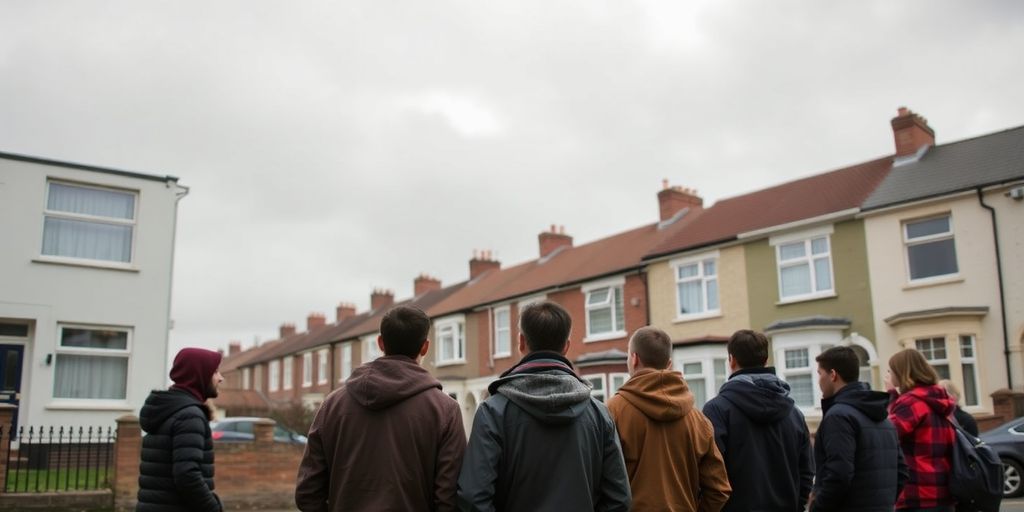
So, what are the main hurdles asylum seekers face when trying to find a place to live in the UK? It feels like a really complex puzzle, doesn’t it? We’ve heard stories about the short timeframe people have once their asylum claim is approved, which seems incredibly tight.
Does The 28-Day Move-On Period Contribute To Homelessness?
This 28-day window, often called the ‘move-on period’, is a big talking point. Once someone is granted refugee status, they’re no longer eligible for Home Office accommodation. This means they have just 28 days to sort out new housing. But how realistic is that, really? Especially when you consider the time it takes to get your first Universal Credit payment, which can be weeks after you’re eligible. It leaves many in a really precarious spot, often with nowhere to go.
How Does The ‘Right To Rent’ Policy Impact Asylum Seekers?
Then there’s the ‘Right to Rent’ policy. It requires landlords to check the immigration status of potential tenants. But what we’re seeing is that this can lead to discrimination. Some landlords are apparently reluctant to rent to anyone without a British passport, which really limits options for asylum seekers and those with refugee status. It feels like an extra barrier that wasn’t really intended, but it’s definitely making things harder. We’ve also seen reports that landlords might be hesitant to rent to people relying on welfare benefits, which is another hurdle for many.
It seems like a lot of the system is set up in a way that unintentionally pushes people towards homelessness, rather than helping them secure stable housing. The lack of immediate income and the short notice periods after leaving Home Office accommodation are significant challenges.
We also need to think about how local councils assess housing needs. If someone doesn’t fit the ‘priority need’ criteria, like having dependent children or a disability, councils might not have a duty to house them. This leaves many, particularly single individuals, to find private rentals, which, as we’ve discussed, comes with its own set of problems. It makes you wonder if the system is really set up to support everyone who needs it, or if it’s leaving a lot of people behind. Finding stable housing is a huge part of integrating into society, and these barriers make that incredibly difficult.
How Do Policy Changes Affect Asylum Seekers And Homelessness?
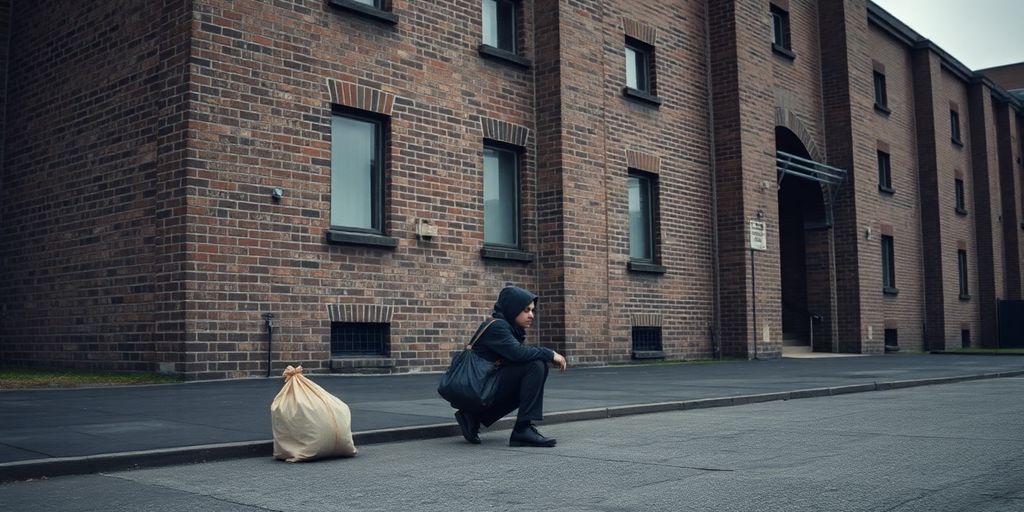
It feels like every time we turn around, there’s a new policy announcement about asylum seekers and how it might affect homelessness. It’s a lot to keep up with, isn’t it? We’re left wondering, how are these changes actually impacting people on the ground?
Are Streamlined Asylum Processing Models Adequate For Vulnerable Individuals?
So, the government’s brought in these new ways to speed up asylum claims, especially for people from certain countries. They’re asking people to fill out questionnaires instead of having interviews. On the face of it, getting decisions faster sounds good, right? Many have been waiting ages. But are these questionnaires really the best way to understand someone’s situation, especially if they’ve been through something traumatic? We’re hearing that these forms can be quite complex, and they’re not always translated. Plus, there’s a tight deadline to get them back. What happens if someone misses that deadline? It feels like a real risk that people could be disadvantaged, or worse, their claims might be rejected simply because they couldn’t navigate the process properly. It makes you question if ‘streamlined’ just means ‘less support’.
What Is The Impact Of The Illegal Migration Bill On Asylum Seekers?
Then there’s the Illegal Migration Bill. We’ve seen organisations writing open letters, really worried about what this could mean. It seems like the direction of travel is towards making things even harder for people seeking asylum. When you combine this with the existing issues – like poor accommodation and that really tight 28-day window after getting status – it just feels like more people are being pushed towards homelessness. It’s like a domino effect, where one policy change can have a ripple effect, making an already difficult situation even more precarious. We’re seeing reports of people sleeping rough jumping up quite dramatically in short periods. It really makes you wonder if the intention is to deter people, and if so, at what human cost?
The constant changes and the general direction of policy seem to be making it harder for asylum seekers and refugees to find stable housing. It feels like the system is becoming less supportive, not more, and that’s a worrying trend when we’re talking about people’s basic need for shelter.
Can Resettlement Schemes Mitigate Homelessness For Asylum Seekers?
So, we’ve been thinking about how organised resettlement programmes might actually help stop asylum seekers ending up homeless. It seems like a pretty big deal, doesn’t it? When people come through these official schemes, they often get housing support right from the start. This is quite different from those who claim asylum independently and then face a really tight deadline, like the infamous 28-day ‘move-on’ period, once their status is granted. That short timeframe just doesn’t seem like enough time to sort out a place to live, especially when you’re trying to get on your feet.
How Do Organised Resettlement Programmes Differ From Independent Asylum Claims?
Well, the main difference seems to be the support structure. With organised resettlement, there’s usually a clearer pathway for housing. People might be allocated accommodation, or at least have a dedicated support worker who helps them find a place. This contrasts sharply with independent claims, where, after receiving refugee status, individuals are often expected to find their own housing within a very short period. This can be incredibly difficult, especially if they don’t have savings or a job lined up. We’ve seen reports of people sleeping rough just weeks after being granted status, which is just awful.
What Support Is Crucial For Newly-Granted Refugees To Avoid Homelessness?
It really seems like a few things are absolutely vital. Firstly, extending that ‘move-on’ period would give people more breathing room. Maybe 56 days instead of 28? Secondly, having access to social housing or help securing private rentals is key. This could involve things like help with deposits or rent in advance.
- Dedicated Caseworker Support: Having someone to guide them through the process, from applying for benefits to finding a home.
- English Language Classes: Being able to communicate makes a huge difference in finding work and integrating.
- Employment Assistance: Help with CVs, interviews, and connecting with potential employers.
- Financial Aid: Support with initial costs like deposits or furniture, perhaps through loans or grants.
It feels like the system could be much more proactive. Instead of people falling through the cracks, imagine if there were clear steps and support available from the moment someone is granted status. That would surely make a massive difference in preventing homelessness. We’ve seen a significant increase in people needing protection, and the system needs to keep up more people seeking protection.
Ultimately, it’s about providing a safety net and practical help so that people can rebuild their lives without the immediate fear of becoming homeless. It’s a complex issue, but focusing on these support mechanisms seems like a sensible way forward.
So, what’s the real story here?
We’ve looked at how people fleeing conflict end up in the UK, often facing a tough road ahead. It seems like the system, even when it tries to speed things up, can leave folks in a really difficult spot, especially with that short 28-day window after getting refugee status. We’ve seen numbers showing a big jump in people sleeping rough after leaving Home Office places, and it makes you wonder if we’re really doing enough. With landlords sometimes unwilling to rent to non-British citizens and the whole process of getting benefits taking ages, it feels like a lot of people are being pushed towards homelessness. Is the current system set up to help them build a new life, or is it making things harder than they need to be? It’s a lot to think about, isn’t it?
Frequently Asked Questions
How does the 28-day move-on period affect asylum seekers and homelessness?
We’ve noticed that when people get granted refugee status, they often have just 28 days to find a new place to live. This short time, called a ‘move-on period’, can be really tough. Many struggle to find housing in that window, especially since they might not have much money saved up and can’t get housing help easily. This often means they end up without a home, putting more pressure on services that help homeless people.
What impact does the ‘Right to Rent’ policy have on asylum seekers finding homes?
Some rules, like the ‘Right to Rent’ policy, can make it harder for people who aren’t British citizens to rent a place. Landlords have to check people’s immigration status, and some landlords are hesitant to rent to anyone without a British passport. This discrimination, along with difficulties getting benefits quickly, means many newly recognised refugees find it really hard to secure private housing, pushing them towards homelessness.
Do resettlement schemes help reduce homelessness for asylum seekers?
When people arrive through organised resettlement schemes, they often get more help with housing from the start. This structured support usually means they’re less likely to become homeless compared to those who have to navigate the asylum system on their own. These schemes tend to offer more focused assistance, which is crucial for helping people settle in and find stable accommodation.