0207 870 1221

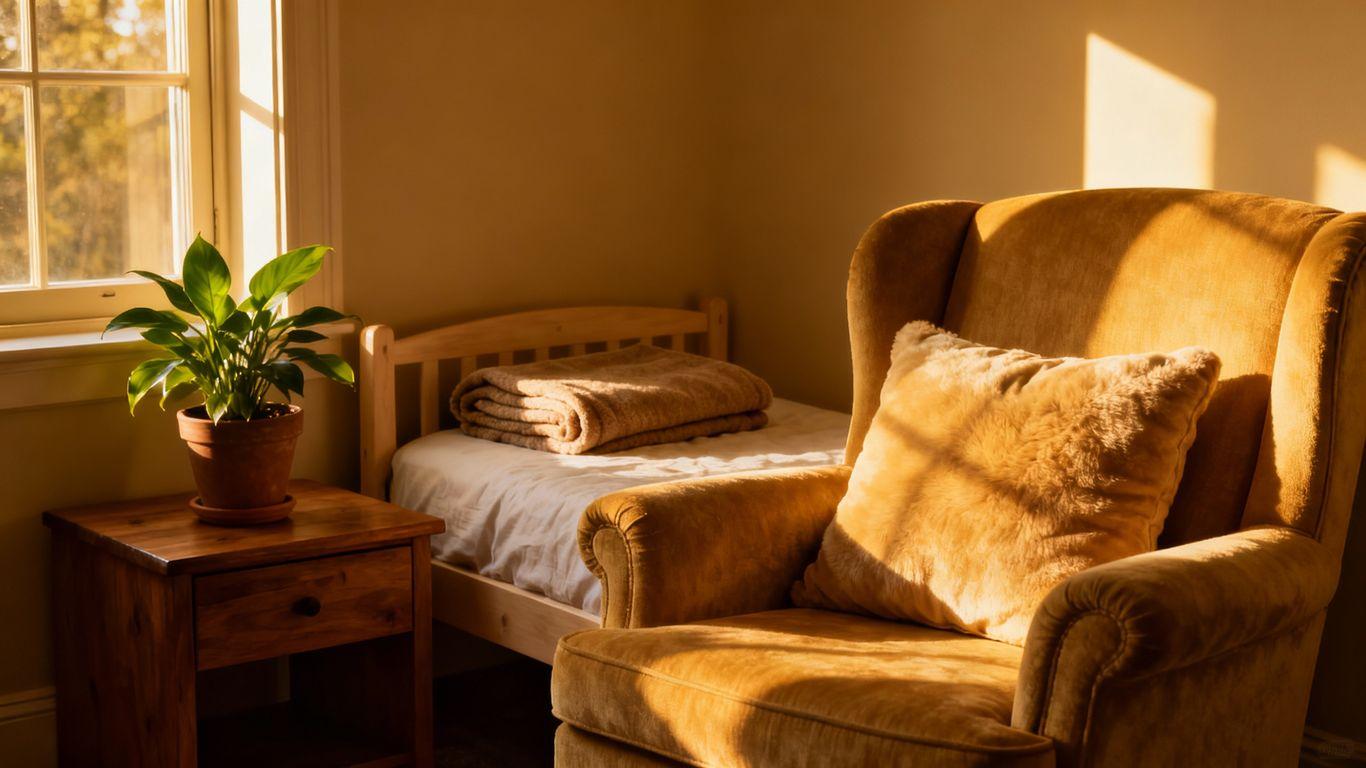
We’ve been looking into how the small things can make a big difference in transitional housing. It turns out that simple comforts, like a nice place to sit outside or a shared garden, can really help people feel more at home. These aren’t just nice-to-haves; they’re important for building a sense of community and making people feel like they belong. We think focusing on these comfort amenities in supported housing is a smart way to help residents settle in and thrive.
Key Takeaways
-
Providing accessible comfort amenities in supported housing helps residents connect with each other and their surroundings, building a stronger sense of community.
-
Thoughtful additions like green spaces and areas for socialising can significantly improve residents’ well-being and help them feel a sense of place.
-
Even small comforts can make a big impact, turning temporary accommodation into a place where people feel valued and supported.
Creating a Sense Of Belonging Through Comfort Amenities In Supported Housing

When we think about supported housing, it’s easy to focus on the practicalities – the shelter, the support services, the path towards independence. But we’ve found that the little things, the comfort amenities, play a massive role in helping people feel like they truly belong. It’s about more than just having a roof over your head; it’s about creating a space that feels like home, a place where people can put down roots, even if it’s just for a while.
The Importance Of Accessible Amenities For Community Connection
We’ve seen firsthand how vital accessible amenities are for building connections within the community. When people have places to gather, to share experiences, and simply to be together outside of their own rooms, that’s where real community starts to form. Think about it: a shared lounge where neighbours can chat over a cup of tea, a communal kitchen where meals can be prepared and shared, or even just a comfortable seating area in a hallway. These aren’t just spaces; they’re opportunities for interaction. Without them, people can feel quite isolated, even when surrounded by others. Having these shared spaces makes a huge difference in how connected residents feel to each other and to the place they’re living in. It’s about creating those informal moments that build relationships, like bumping into someone while grabbing a newspaper or sharing a laugh over a board game.
-
Shared social spaces: Comfortable lounges, dining areas, or even quiet reading nooks.
-
Outdoor areas: Accessible gardens, patios, or balconies where people can relax and socialise.
-
Practical amenities: On-site laundry facilities, well-equipped kitchens, or even a small library.
The availability of amenities, from libraries and parks to social services and recreational facilities, has been shown to be a significant factor in how connected people feel to their neighbours and their surroundings. It’s these everyday encounters in shared spaces that help build a sense of place.
How Thoughtful Amenities Foster A Sense Of Place
Beyond just connecting with others, thoughtful amenities help people develop a genuine sense of place. This means feeling a connection to the physical environment, feeling proud of where you live, and seeing it as more than just temporary accommodation. When we provide amenities that are not only functional but also pleasant and well-maintained, we’re sending a message that we value the residents and their living experience. This could be anything from having access to green spaces, like a small garden or courtyard, to having access to various residential choices that suit different needs. It’s about creating an environment where people feel comfortable, safe, and respected. When people feel a sense of place, they’re more likely to take care of their surroundings and invest emotionally in their community. It transforms a building into a home.
-
Green spaces: Access to gardens, courtyards, or even potted plants can improve mood and provide a connection to nature.
-
Creative spaces: Areas for hobbies, art, or music can allow residents to express themselves and connect with others who share similar interests.
-
Comfortable furnishings: Simple things like comfortable seating, good lighting, and clean, well-maintained common areas make a big impact.
We’ve found that investing in these kinds of amenities isn’t just a nice-to-have; it’s a fundamental part of creating a supportive and welcoming environment where people can truly thrive and feel a sense of belonging.
Enhancing Resident Well-being With Comfort Amenities In Supported Housing

When we think about supported housing, it’s easy to focus on the basics – a roof over someone’s head, safety, and support services. And those are absolutely vital, of course. But we’ve found that the little things, the comfort amenities, can make a world of difference to how people feel about their home and their life.
Designing Spaces That Support Daily Needs And Social Interaction
It’s about creating environments where people can actually live, not just exist. Think about practical things that make daily life easier and more pleasant. We’re talking about:
-
Good lighting in communal areas: This isn’t just about safety; it makes spaces feel more welcoming and less intimidating.
-
Comfortable seating in shared lounges: Places where people can relax, read, or chat without feeling like they’re in a waiting room.
-
Access to basic kitchen facilities in common areas: This allows for informal gatherings, like sharing a cup of tea or a simple meal, which really helps build connections.
These aren’t extravagant luxuries. They’re about acknowledging that everyone deserves a comfortable and functional living space. Making these spaces accessible and inviting is key to helping residents feel more at home. It’s about respecting their dignity and their need for everyday comforts.
We’ve seen how even small improvements, like adding a few plants or ensuring communal areas are well-maintained and clean, can shift the atmosphere. It sends a message that the people living there are valued and that their environment matters. This kind of attention to detail can really impact someone’s outlook.
The Role Of Green Spaces And Community Gardens In Well-being
We can’t underestimate the power of nature. Having access to green spaces, even small ones, can be incredibly beneficial for mental and emotional well-being. It gives people a chance to step away from their living space, get some fresh air, and connect with something outside themselves.
Community gardens, in particular, are fantastic. They offer:
-
A chance to get some gentle exercise and spend time outdoors.
-
Opportunities to socialise with neighbours in a relaxed, shared activity.
-
A sense of purpose and pride in growing something.
These spaces can become real hubs for connection and a source of quiet enjoyment. They help to break down isolation and build a sense of shared purpose. For many, having a bit of green space to tend to or simply sit in can be a real lifeline. It’s about providing opportunities for peace and connection, which are so important for recovery and stability. We believe that organisations like IOOF, which focus on providing holistic support, understand the importance of these elements in creating a true sense of home for residents.
Looking Ahead: Small Touches, Big Impact
As we wrap up, it’s clear that the little things really do add up. When we think about transitional housing, it’s easy to focus on the big picture – shelter, support services, getting back on your feet. And that’s all incredibly important, of course. But we’ve seen how much a well-kept garden, a comfortable common area, or even just knowing there’s a local shop nearby can make a real difference to how people feel in their temporary homes. These aren’t just nice-to-haves; they’re part of what helps people feel like they belong, like they’re part of a community, and that they’re respected. By paying attention to these smaller amenities, we can help create spaces that are not just places to stay, but places where people can truly start to heal and rebuild their lives. It’s about dignity, and we can all play a part in making that happen.
Frequently Asked Questions
Why are small comforts so important in places like transitional housing?
We’ve found that little things can make a big difference. When people are going through tough times and living in transitional housing, having access to nice amenities, like a comfortable common area or a small garden, helps them feel more at home. It’s about creating a sense of belonging and making the space feel less like a temporary stop and more like a supportive community where they can start to rebuild their lives. These comforts show that we care about their well-being beyond just providing a roof over their heads.
How do amenities help people connect with each other in supported housing?
Shared spaces and activities are key. When we provide things like a communal kitchen, a shared lounge, or even just nice outdoor seating areas, it gives residents natural opportunities to meet and interact. Think about it – bumping into someone while making a cup of tea or sitting outside to enjoy the weather can lead to conversations and friendships. These casual encounters build connections and a stronger sense of community, which is vital for people who might otherwise feel isolated.
What kind of amenities are most helpful for improving residents’ well-being?
We see a real benefit from amenities that support both daily needs and social interaction. This could include things like a well-equipped laundry room, a quiet space for studying or relaxing, or even access to green spaces. Having a small garden where people can grow plants together, for example, not only beautifies the area but also offers a therapeutic activity and a chance to bond. Ultimately, amenities that promote a sense of safety, comfort, and connection significantly boost residents’ overall well-being and their ability to thrive.