0207 870 1221

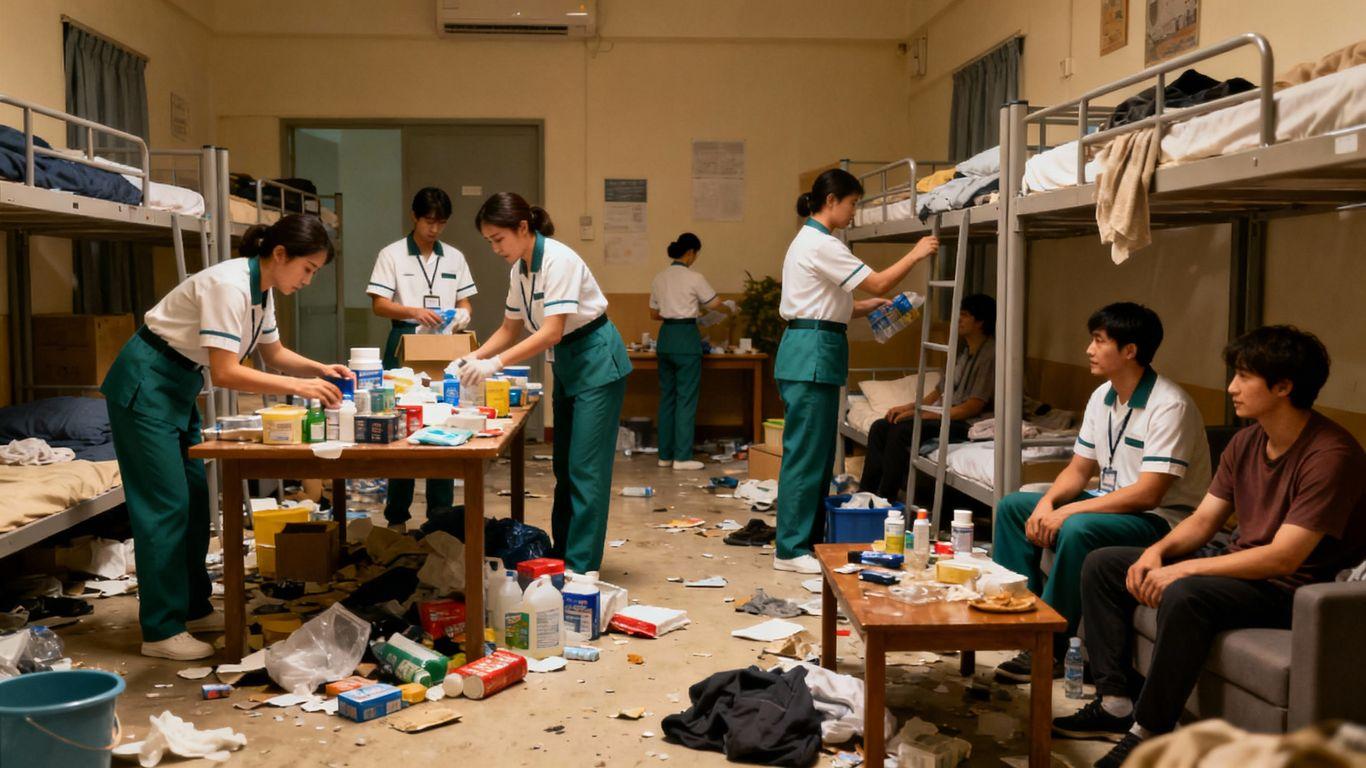
When things get tough in hostels, we often find ourselves scrambling. It feels like chaos, doesn’t it? But what if we had teams ready to jump in, sort things out, and bring some calm back? That’s what we’re talking about today: how setting up proper rapid deployment teams for hostel staffing can make a huge difference when crises hit. We’ll look at how we get these teams going and how they help keep things running smoothly.
Key Takeaways
-
We need to think carefully about how we find and keep good people for these rapid deployment teams. This means looking at how we recruit, making sure we offer decent pay and support, and giving them the right training so they feel ready for anything.
-
When a crisis happens, working together is key. This means our teams need to talk to each other and to other groups involved, like social services or local authorities. Clear communication and support from management helps everyone stick to the plan and get the job done.
-
Having clear plans and policies is important, but sometimes we need to be flexible. The goal is always to help the people in our hostels, and our rapid deployment teams need the backing to make decisions that achieve that, even if it means bending a rule now and then.
Establishing Effective Rapid Deployment Teams For Hostel Staffing

Setting up a reliable rapid deployment team for hostel staffing isn’t just about filling gaps; it’s about building a resilient system that can handle unexpected challenges. We’ve found that focusing on the right recruitment and training strategies makes a significant difference. Our goal is to have a pool of skilled individuals ready to step in, minimising disruption for both residents and existing staff.
Recruitment and Retention Strategies
When we look for new team members, we’re not just ticking boxes. We aim to bring in people whose values align with our approach to supporting people experiencing homelessness. Sometimes, staff turnover can be an opportunity to find professionals who are a better fit for our organisational culture. We’ve also found success in partnering with health authorities to recruit professionals who already have experience in client-facing roles. This can help with salary and professional status, which in turn can reduce how often people leave.
Here are some approaches we’ve found helpful:
-
Targeted Recruitment: Developing clear selection criteria and actively seeking out candidates who have the right skills and attitude. This includes looking for individuals who might have lived experience relevant to the clients we serve, as this can build stronger relationships.
-
Buddy Systems: Implementing a ‘buddy system’ helps new recruits feel more connected to the team and the organisation from day one. It provides a point of contact for questions and support.
-
Clear Role Definitions: Especially for peer workers or those in specialised roles, having very clear job descriptions and responsibilities is key. This helps everyone understand their contribution and avoids confusion.
Attracting and keeping good staff often comes down to more than just the job itself. We need to consider factors like competitive pay, opportunities for professional development, and a supportive work environment. Without these, even the best recruitment efforts can be undermined by high turnover.
We’ve also seen that having staff who represent the diversity of our client base can be really beneficial. It helps build trust and understanding. For more on what makes a good hostel, you can look at current hostel functions.
Training and Development for Crisis Management
Once we have our team in place, the next step is equipping them with the right skills. Effective training is vital for anyone working in a hostel environment, especially those who might be called upon during a crisis. We focus on practical skills that help manage difficult situations and reduce stress for everyone involved.
Our training programmes typically cover:
-
Crisis Intervention Techniques: Providing staff with specific strategies to de-escalate tense situations and manage emergencies safely.
-
Harm Reduction Principles: Understanding how to support clients in ways that minimise risks, even when immediate solutions aren’t possible.
-
Motivational Interviewing: Learning how to engage clients effectively, helping them to make positive changes at their own pace.
-
Specific Intervention Models: Training in approaches like Cognitive Behavioural Therapy (CBT) or Intensive Case Management (ICM) can help staff deliver more targeted support.
We use a mix of training methods, including workshops, online sessions, and ongoing supervision. This helps staff feel confident in their abilities and prepared for the varied challenges they might face. It’s about building confidence and competence, so our teams can respond effectively when it matters most.
Enhancing Hostel Stability Through Coordinated Interventions

When crises hit hostels, things can get chaotic fast. We’ve found that the key to getting back on track isn’t just about having enough staff, but about how we all work together. This means looking beyond our own four walls and connecting with other services and agencies. It’s about building a network that can step in when needed, providing support that’s both broad and deep.
Inter-Agency Collaboration and Communication
We can’t do this alone. Effective collaboration with other organisations is vital. This involves more than just knowing who to call; it’s about establishing clear lines of communication and understanding each other’s roles. When we have regular meetings with, say, local authorities or mental health teams, we can anticipate problems and respond much faster. Having a named contact in partner agencies really helps cut through the red tape when we’re in a tight spot.
Here’s a look at what we’ve found works:
-
Regular joint planning meetings: These allow us to share information and coordinate our responses before issues escalate.
-
Shared training sessions: Understanding how different agencies operate builds trust and improves teamwork.
-
Clear referral pathways: Knowing exactly how to get clients the specific support they need from other services saves precious time.
-
Information sharing protocols: Agreeing on what information can be shared and how, while respecting privacy, is key.
The more we communicate and coordinate with external bodies, the more resilient our hostels become during difficult periods.
Managerial Support and Policy Adherence
Within our own hostels, strong management is the backbone of stability. Managers need to actively support the staff who are on the front lines, especially during crises. This means providing practical help, listening to concerns, and making sure policies are understood and followed, but also flexible enough to meet immediate needs. Sometimes, the rules don’t quite fit the situation, and managers need to have the judgement to allow staff to adapt while still keeping things safe and ethical.
We’ve seen that when managers are visible and supportive, staff feel more confident. This can look like:
-
Providing specific training on managing difficult situations to help reduce staff stress.
-
Being available to discuss challenging cases and offer guidance.
-
Reviewing and updating policies regularly to reflect current needs and best practices.
-
Recognising the emotional toll the work can take and offering resources for staff well-being.
Ultimately, a well-supported team, working within clear but adaptable guidelines, is far better equipped to handle the unexpected.
Moving Forward
We’ve seen how rapid deployment teams can really make a difference when things get tough in hostels. It’s not just about putting out fires, but about building something more stable for everyone involved. By working together, sharing what we learn, and making sure our teams have the right support and training, we can create environments where people feel safer and more looked after. This means better outcomes for the residents and a more sustainable way of working for the staff too. It’s a continuous effort, but one that’s definitely worth it.
Frequently Asked Questions
How do we find the right people to join our rapid deployment teams?
We look for individuals who are good at connecting with people and can stay calm when things get tough. We also make sure they get good training so they know exactly what to do during a crisis. Keeping our team members happy and supported is key to making sure they stay with us.
What’s the best way for different groups to work together during a tough time?
It’s really important that everyone talks to each other. We need to make sure all the different organisations and services are on the same page, sharing information and working as a team. Good leaders also play a big part by making sure we all follow the right plans and support each other.
How do we make sure our hostels are safe and stable, even when things are chaotic?
We focus on making sure people have a safe place to stay, with security measures in place. We also build good relationships with landlords and make sure there’s enough money for essentials like food and bills. Having clear rules and working closely with other services helps a lot too.