0207 870 1221

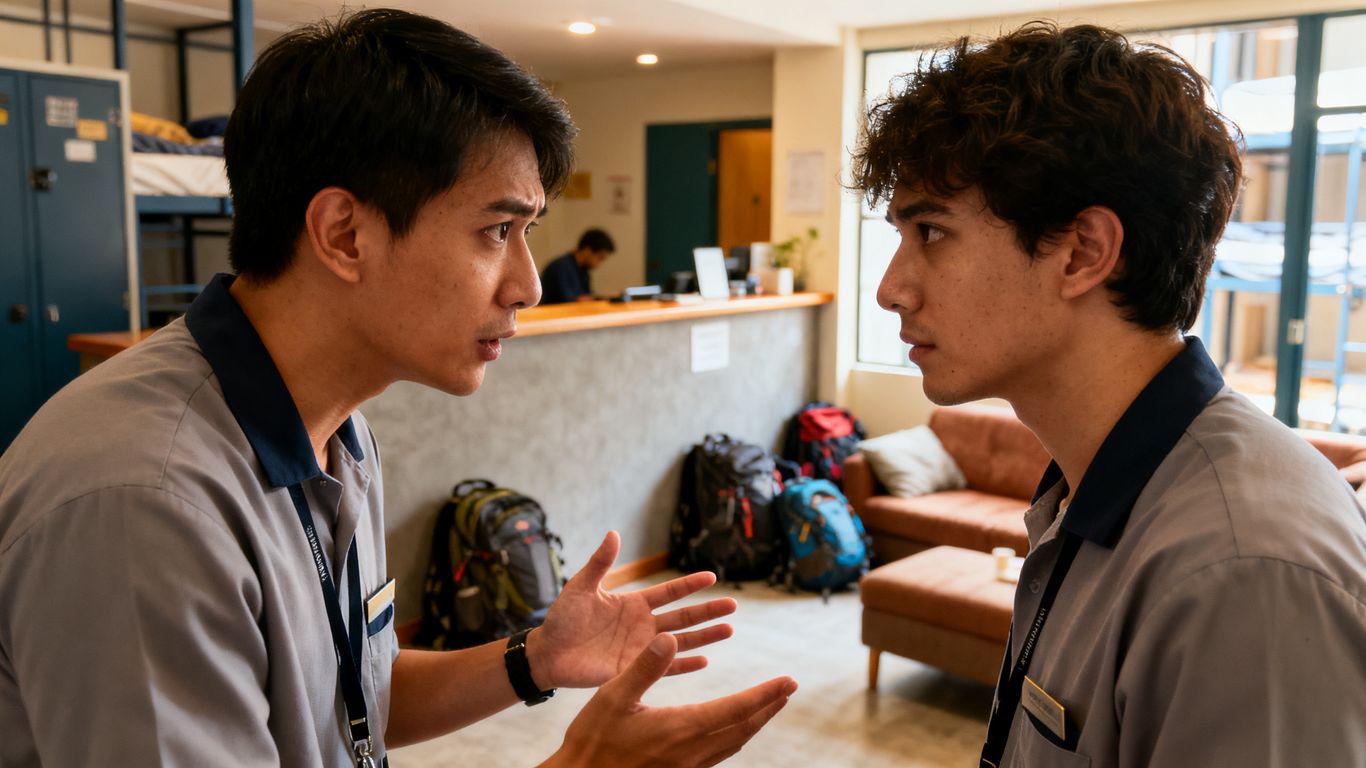
Making sure everyone gets the right support when they move between services or shifts is really important. Here are some key things to remember about good handovers in homeless hostels.
Key Takeaways
- Always share important information clearly and safely when one staff member finishes their shift and another starts.
- Create a plan for handovers that helps people feel safe and supported, especially when they are moving between different places.
- Building trust with the people we support means being consistent and reliable, which starts with good handover practices.
Ensuring Continuity Of Care Through Effective Handovers

When we work with individuals in homeless hostels, the handover between shifts is more than just a quick chat. It’s a vital part of making sure everyone gets the support they need, without interruption. Think of it as passing a baton in a relay race; if it’s dropped, the whole team suffers. We need to make sure that the person coming on duty has all the information to continue the care that was started by the previous shift. This is especially true for people who are already facing so many challenges.
The Critical Role Of Information Sharing In Homelessness Services
Sharing information effectively is the backbone of good support. Without it, we risk repeating ourselves, causing frustration, and potentially missing important details about someone’s wellbeing or immediate needs. People we support have often had to tell their story many times over, and it’s our job to make that process less taxing. Proper information sharing means we can build on existing relationships and provide a more consistent experience for them. It helps us to spot any changes in behaviour or health that might otherwise go unnoticed.
- Key information to share includes:
- Any significant events or incidents during the previous shift.
- Updates on individual support plans or goals.
- Any specific risks or concerns identified.
- Appointments or planned activities.
We’ve found that when information is shared clearly and concisely, it really helps to reduce confusion. It means we can all be on the same page, working together more effectively to support the people in our care. This consistency is so important for building trust.
Implementing Structured Handover Protocols For Vulnerable Individuals
To make sure we’re always sharing information in the best way possible, we need clear protocols. These aren’t just for us; they’re designed to protect the people we support. Having a structured approach means that no matter who is on duty, the core information is always passed on. This helps to prevent people from falling through the cracks, especially when they are moving between different services or settings, which can be a really difficult time for them. We need to be prepared for these transitions and offer support before, during, and after they happen.
We recommend a handover process that includes:
- A written log or document that details key events and observations.
- A brief verbal handover between staff members, highlighting urgent issues.
- Confirmation that all parties understand the information shared.
This structured approach helps us to manage the risks associated with care transitions and provides a better chance for positive outcomes. It’s about making sure that every person feels seen and supported, even when the staff changes. Learning to cope with stress is also a part of our work, and having good handover procedures can help ease some of that pressure [2454].
Best Practice For Seamless Transitions In Hostel Settings

Building Trust And Providing Consistent Support During Transitions
When someone moves into our hostels, it’s a big change for them, and we need to make sure that transition is as smooth as possible. It’s not just about giving them a bed; it’s about offering a stable environment where they can start to rebuild. We’ve found that building a strong relationship from the get-go is key. This means being present, listening without judgment, and showing that we’re there to help them through whatever comes next. Consistency in our approach is also really important. People who have experienced homelessness often face a lot of uncertainty, so knowing they can rely on us for steady support makes a real difference.
We aim to:
- Be available and approachable during the initial settling-in period.
- Listen actively to their concerns and experiences.
- Provide clear information about the hostel and its services.
- Help them connect with any immediate needs, like appointments or essential supplies.
Periods of transition can be really tough. People might be leaving difficult situations, and the hostel might be the first stable place they’ve had in a while. It’s a chance for us to offer a different path, but we have to be mindful that this new stability can also bring its own anxieties. Our role is to help them manage these feelings and build confidence.
We know that sometimes people are moving from other services, like hospitals or even the streets. Having a clear handover from those previous contacts helps us understand their situation better and avoid them having to repeat their story multiple times. This continuity of care is vital for their well-being and helps us provide better support.
Addressing Risks And Opportunities During Care Transitions
Moving between different places, whether it’s from the street into our hostel, or from our hostel to more independent living, presents both challenges and chances for positive change. We have to be aware of the potential pitfalls. For instance, someone might be leaving a situation where they had a support network, even if it wasn’t ideal, and moving into a new place can feel isolating. We need to be ready to step in and offer that connection.
Here’s how we try to manage this:
- Assess potential risks that could disrupt their recovery or stability, like past issues with substance use or mental health, and plan how to support them.
- Identify their strengths and build on them, helping them see what they can achieve.
- Offer practical help with things like setting up utilities, understanding tenancy agreements, or accessing local resources.
- Provide emotional support for as long as it’s needed, recognising that recovery isn’t always a quick process.
We see these transition points not just as risks, but as real opportunities to engage people more deeply and help them move forward. By working closely with individuals and other services, we can help them navigate these changes successfully. This is particularly true for young people, where a youth work approach can be incredibly effective in building rapport and addressing their specific needs during these times, as highlighted in youth service frameworks. It’s about making sure no one falls through the cracks during these critical moments.
Conclusion
Effective shift handovers are more than just passing on information; they are about maintaining trust and providing consistent support for individuals in homeless hostels. By implementing structured protocols and focusing on clear communication, we can help prevent people from falling through the cracks during transitions. This commitment to best practice not only improves individual outcomes but also strengthens the overall effectiveness of our services. Let’s all work together to make every handover count.
Frequently Asked Questions
Why are handovers so important in hostels?
Handovers are like passing a baton in a race. When one staff member finishes their shift, they need to tell the next person what’s happening with each resident. This way, everyone keeps getting the help they need without having to repeat their story all the time. It makes sure no one is forgotten or left behind.
What makes a handover ‘good’ in a homeless hostel?
A good handover means that all the important details about each person are shared clearly. This includes any worries, successes, or things that need to be done. It’s also about making sure the person receiving the handover understands what’s going on and feels ready to take over. It’s not just a quick chat; it’s a proper exchange of information.
How can handovers help people feel more secure?
When handovers are done well, people in the hostel know that the staff are working together. They don’t have to keep telling their story over and over to different people, which can be tiring and upsetting. Knowing that their needs are being passed on properly helps them feel more stable and trust the people helping them.