0207 870 1221

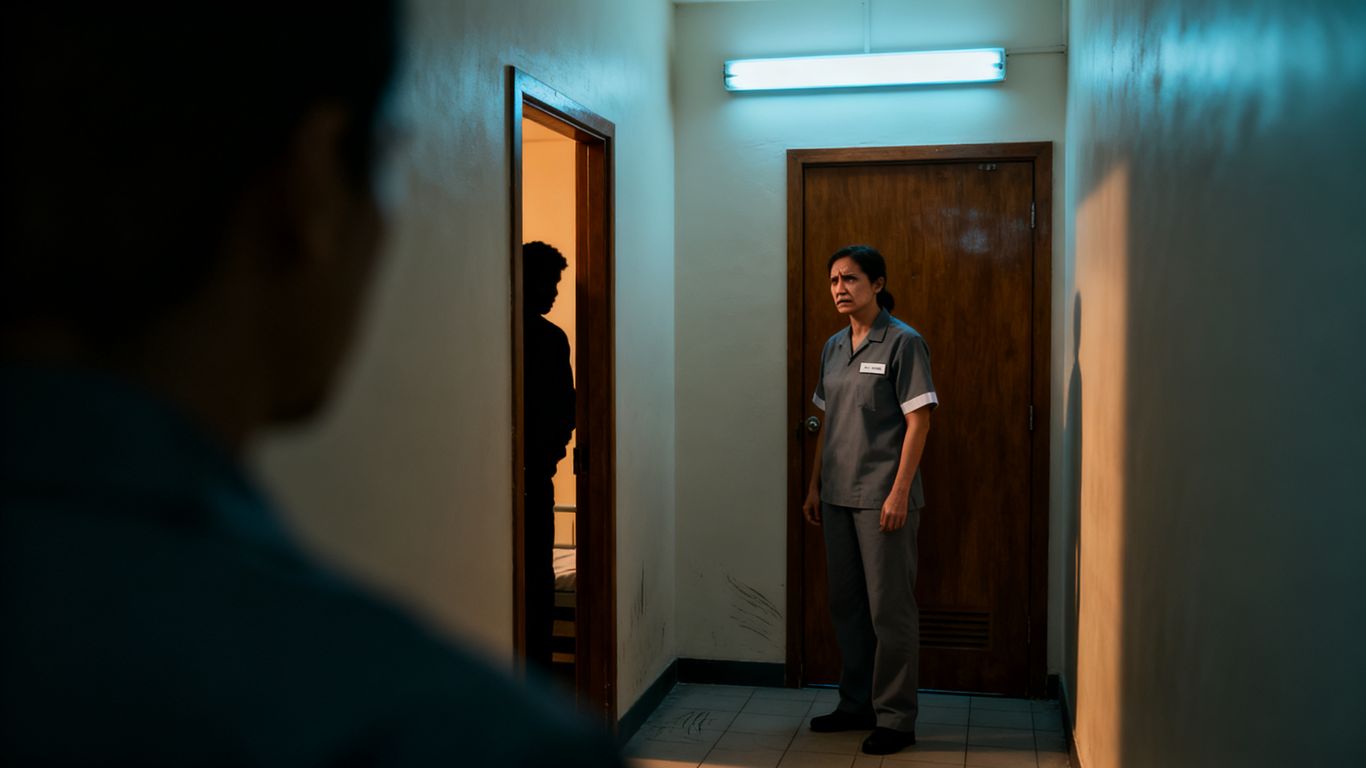
To help hostel staff better understand and combat cuckooing, we’ve summarised the most important points to remember. Keeping these in mind can make a significant difference in safeguarding vulnerable residents.
Key Takeaways
- Criminals often exploit loneliness and isolation by befriending vulnerable residents to take over their homes for drug dealing.
- Recognising the signs of cuckooing, such as changes in resident behaviour or unusual activity, is the first step in intervention.
- Proactive support, building trust with residents, and clear reporting procedures are crucial for hostel staff to prevent and respond to cuckooing.
Understanding Cuckooing in Supported Housing
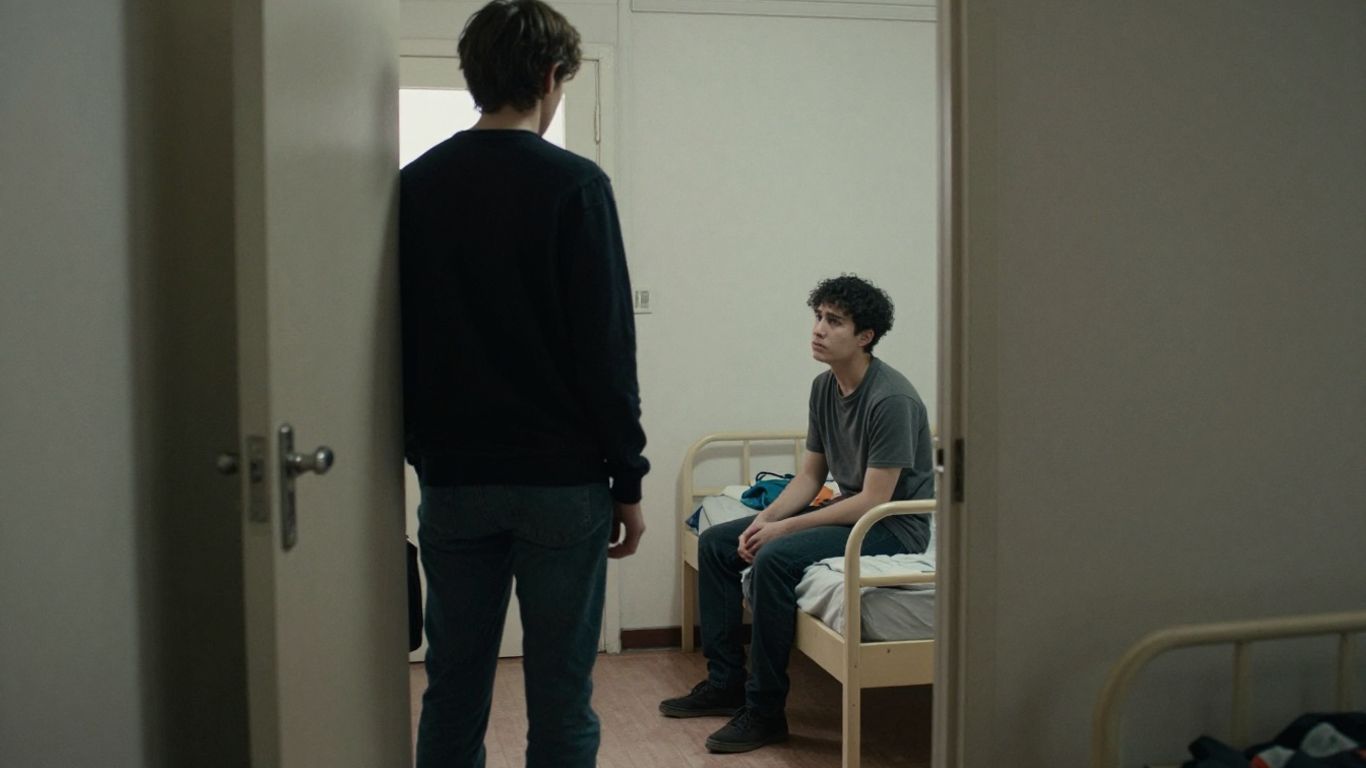
As staff working in supported housing, we often encounter complex situations. One of the most concerning is ‘cuckooing’, a form of exploitation where criminals take over a vulnerable person’s home. It’s a tactic that can leave residents feeling unsafe and isolated in their own space. We need to be aware of what it is and how it happens so we can better protect those we support.
What Is Cuckooing?
Cuckooing is essentially when drug gangs or other criminal groups target individuals living in their own homes, often those who are isolated or vulnerable. They essentially ‘take over’ the property, using it as a base for their illegal activities, such as drug dealing. The name comes from the cuckoo bird, which lays its eggs in other birds’ nests. The criminals exploit the resident’s home, much like the cuckoo exploits the host bird’s nest.
- The resident is often manipulated or coerced into allowing access. This might start with seemingly friendly gestures, like offering drugs or companionship.
- The criminals then gradually take control of the property. They might move in, use it for dealing, or even bring other people to the address.
- The resident becomes a victim of their own home. They are often too scared to report it, fearing retaliation or being implicated themselves.
It’s important to remember that the individuals being cuckooed are victims, not perpetrators. They are often targeted because of their vulnerabilities, such as addiction, mental health issues, or social isolation.
The Tactics Used By Criminal Gangs
Criminals employ a range of methods to gain access and control. Understanding these tactics helps us spot the signs early. They are often quite strategic in their approach, looking for specific vulnerabilities.
- Grooming and Manipulation: This is often the first step. Gangs might identify someone who is lonely or struggling and offer them friendship, gifts, or drugs. They build a false sense of trust.
- Coercion and Intimidation: Once access is gained, threats and violence can be used to maintain control. The resident might be physically harmed or threatened, making them too afraid to seek help.
- Exploiting Addiction: For those with substance misuse issues, drugs can be used as a ‘key’ to gain entry and control. The gang might supply drugs, making the resident dependent and easier to exploit.
- Using the Property: The home is then used for various criminal purposes, such as a place to store drugs, deal drugs, or even as a place for other criminals to stay. This can bring further risks to the resident and the wider community. We’ve seen how effective intervention can be in tackling these issues.
Recognising these patterns is the first step in protecting our residents. It’s about being vigilant and knowing that cuckooing is a real and present danger in supported housing settings. For those moving into new tenancies, understanding Housing Benefit can also be a part of their stability.
Recognising And Responding To Cuckooing
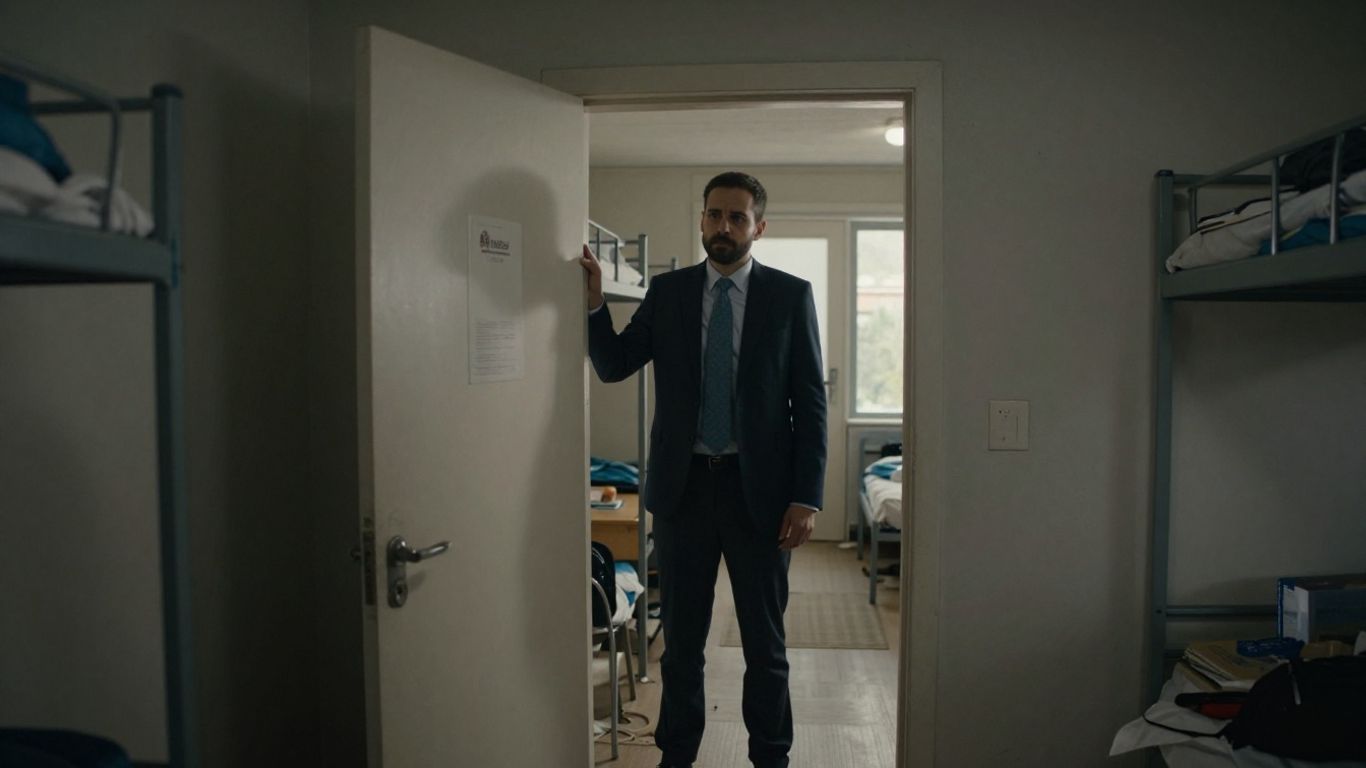
Identifying Vulnerable Individuals
We all want to make sure our residents are safe and well, and that means being aware of who might be more at risk of cuckooing. It’s not always obvious, but certain traits can make someone a target. Often, individuals who are lonely or isolated might be more susceptible. They might not have a strong network of friends or family checking in on them regularly. People who have recently experienced trauma, have mental health issues, or are dealing with substance misuse can also be vulnerable. Sometimes, it’s simply about someone being new to an area and not knowing many people. We need to be observant and build relationships so we can spot these signs.
- Look out for residents who seem withdrawn or overly reliant on new acquaintances.
- Pay attention to changes in behaviour or mood that seem out of character.
- Consider individuals who have recently moved into the supported housing setting.
It’s important to remember that vulnerability isn’t a permanent state, and people can move in and out of it. Our role is to be a consistent, supportive presence.
We should also be mindful of individuals who might be less likely to report issues themselves, perhaps due to fear or a lack of trust in authorities. Building a rapport is key here; the more comfortable residents feel with us, the more likely they are to share concerns. This is where our safeguarding staff can really make a difference by being visible and approachable.
Support Strategies For Hostel Staff
When we suspect cuckooing might be happening, or even just to prevent it, we need a clear plan. The first step is always to listen to our residents. If someone is telling us something feels wrong, we need to take it seriously. We should document everything they tell us, no matter how small it seems. Then, we need to assess the situation carefully. Is there evidence of outsiders controlling the resident’s space? Are there signs of drug use or dealing? Our priority is always the safety and well-being of the resident.
Here are some steps we can take:
- Report Concerns: Immediately inform your line manager or safeguarding lead. Don’t try to handle it alone.
- Gather Information: Discreetly observe any changes in the resident’s behaviour, visitors, or the condition of their room. Note down times and descriptions.
- Offer Support: Let the resident know you are there for them, without judgment. Reassure them that they are not in trouble and that you want to help them regain control of their home.
It’s vital that we don’t confront suspected criminals directly, as this could put ourselves and the resident in danger. Instead, we should work with external agencies. This might involve contacting the police, local authorities, or specialist charities that deal with drug-related crime. We can also work with our residents to help them understand the risks and build their confidence to resist pressure. Providing information about local support services can also be a good preventative measure.
Conclusion
Cuckooing is a serious issue that can have devastating effects on vulnerable individuals in supported housing. By understanding the tactics used by criminal gangs and implementing robust support strategies, hostel staff can play a vital role in protecting residents. Vigilance, clear communication, and a supportive environment are our best defences against this form of exploitation. We must remain alert and work together to ensure the safety and well-being of everyone in our care.
Frequently Asked Questions
What exactly is cuckooing?
Cuckooing is when bad people trick or force their way into someone’s home, usually someone who is alone or needs help. They then use that home to do illegal things, like selling drugs. It’s like a bird taking over another bird’s nest, hence the name.
How do criminals get into someone’s home for cuckooing?
They often pretend to be friends at first. They might offer company, gifts, or even drugs to get close to the person. Once they have gained trust, or sometimes through threats, they start taking over the home, making the resident feel scared and trapped.
What should hostel staff do if they suspect cuckooing?
If you think cuckooing might be happening, it’s important to tell your manager or supervisor straight away. Don’t try to handle it alone. Keep an eye on the resident and report anything that seems unusual, like new people visiting often, the resident seeming scared, or changes in how the home looks.