0207 870 1221


Working in a hostel can be really rewarding, but let’s be honest, it can also be tough. We often deal with people who have been through a lot, and it’s easy to start carrying some of that weight ourselves. This isn’t just about feeling tired after a long shift; it’s about something deeper that can affect how we see the world and ourselves. We need to talk about vicarious trauma support workers and how we can look after ourselves while doing this important work.
Key Takeaways
- It’s important to tell the difference between just being worn out from work (burnout) and vicarious trauma. Burnout makes us feel exhausted and negative about our job, but vicarious trauma can change how we see ourselves and everything around us. While a break might help with burnout, vicarious trauma needs more – like talking to peers, looking at our own feelings, and maybe even therapy, to help us get back to our old selves.
- Spotting the early signs of vicarious trauma is key to managing it. Things like getting too emotionally involved with the people we help, feeling hopeless or cynical about life in general, or having strong, repeated feelings of anger or sadness about their situations are all signals we need to pay attention to.
- Creating our own plan to stay strong and well is vital when we work with people who have experienced trauma. We know self-care is important, but it often gets pushed aside when work gets busy. Making self-care a planned part of our routine, even with small, doable steps, helps build our resilience and protects us from the effects of vicarious trauma.
Understanding Vicarious Trauma
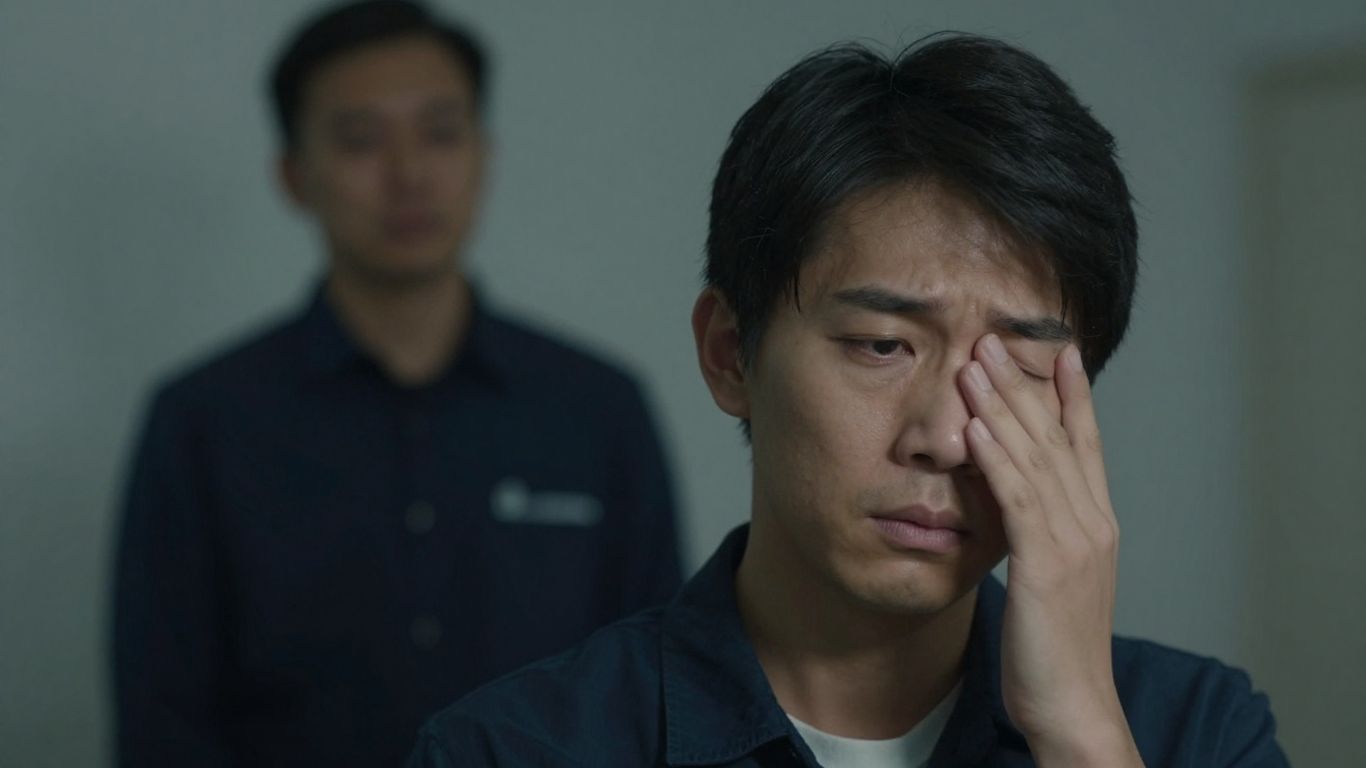
Working in a hostel means we often encounter people who have been through a lot. It’s part of the job, and we want to help. But sometimes, hearing about difficult experiences can start to affect us, even if it’s not happening directly to us. This is what we call vicarious trauma.
Distinguishing Vicarious Trauma from Burnout
It’s easy to get vicarious trauma mixed up with burnout, but they’re not quite the same. Burnout usually feels like being completely drained, both physically and mentally, and maybe feeling a bit fed up with work. Vicarious trauma, though, has an extra layer. It can make us start to doubt our own views of ourselves and the world around us. While a break might help with burnout, vicarious trauma often needs more – like talking things through with colleagues, taking time to think about our own feelings, and sometimes professional support, to help us get back to our usual way of seeing things. It’s about how the stories we hear can change our own inner landscape.
Recognising Early Warning Signs
Spotting the early signs is key to managing vicarious trauma. If we can catch it early, it’s much easier to deal with. Some common indicators we might notice in ourselves or colleagues include:
- Becoming overly involved with a guest’s story, blurring the lines of professional boundaries.
- A growing sense of hopelessness or cynicism that spills over into our personal lives.
- Experiencing strong, recurring feelings of anger or sadness related to the guests’ situations.
We need to remember that our work involves exposure to difficult situations, and it’s natural for this to have an impact. Being aware of these signs is a sign of strength, not weakness.
It’s also worth noting that sometimes, difficult childhood experiences, like those involving family issues or emotional distress, can make us more sensitive to the trauma others have faced Adverse Childhood Experiences (ACEs). Understanding this can help us be more compassionate with ourselves and others.
Building Resilience and Seeking Support

Working in a hostel, we often find ourselves exposed to difficult stories and challenging situations. It’s natural that this can take a toll. Building our personal resilience and knowing where to turn for support are key to managing the effects of vicarious trauma. We need to actively look after ourselves, not just react when we feel overwhelmed.
Developing a Personal Resilience Plan
Creating a plan for resilience isn’t about adding more to our already busy schedules. It’s about making conscious choices to protect our well-being. Think of it as building a personal toolkit.
- Identify your personal warning signs: What are the subtle changes in your mood, behaviour, or physical health that tell you you’re struggling? Maybe it’s increased irritability, trouble sleeping, or a general feeling of being drained.
- Plan small, manageable activities: These could be anything that helps you recharge. Perhaps it’s a short walk during your break, listening to a favourite song, or having a quick chat with a colleague you trust.
- Know your support network: Who can you talk to when things get tough? This might include friends, family, or colleagues. It’s also important to be aware of any professional support services available through your workplace or external organisations.
Building these small pockets of positive activity into our daily lives creates a ‘bank of personal resilience’. This is something we can draw upon when we face particularly demanding times. It’s about starting with achievable goals and gradually building from there.
The Importance of Self-Care and Reflection
Self-care often gets pushed to the bottom of the list when work pressures mount, but it’s not a luxury; it’s a necessity. For those of us working on the frontline, it’s particularly important to develop reflective practice skills. This means taking time to think about our experiences and how they affect us.
- Prioritise rest and physical well-being: Getting enough sleep, eating nourishing food, and staying hydrated are the foundations of good mental health. These basic needs can significantly impact our ability to cope.
- Engage in activities that bring you joy: Make time for hobbies or interests outside of work that help you disconnect and feel refreshed. This could be anything from reading a book to spending time in nature.
- Practice mindfulness or quiet reflection: Even a few minutes each day can make a difference. This could involve simple breathing exercises or just taking a moment to notice your surroundings without judgment. This helps us to better manage difficult emotions like stress and anxiety.
Remember, looking after ourselves allows us to continue offering the best possible support to those who use our services. If you’re looking for more structured support, consider exploring workshops designed for frontline workers facing trauma, which can equip you with practical tools and strategies trauma-informed practice.
Looking After Ourselves
Working with people who have been through tough times can really take a toll. We’ve talked about what vicarious trauma is, how it’s different from just being tired, and some of the signs to watch out for. It’s not always easy to spot, and it’s definitely not a sign of weakness if you’re struggling. The most important thing we can do is look after ourselves and each other. Building in small moments of calm, talking things through, and knowing when to seek a bit of extra support are all part of the job. Remember, taking care of your own wellbeing means you can continue to offer the best support to others. There are resources out there, like the workshops mentioned, that can really help. Let’s make sure we’re prioritising our own resilience, because we’re worth it, and the people we support deserve our best.
Frequently Asked Questions
How is vicarious trauma different from just feeling stressed or burnt out at work?
It’s a good question, and it’s easy to mix them up. Feeling burnt out often means we’re completely drained and maybe a bit fed up with our job. We might feel exhausted, physically and mentally. Vicarious trauma, though, goes a bit deeper. It can make us question how we see ourselves and the world around us. While a break might help with burnout, dealing with vicarious trauma often needs more – like talking things through with colleagues, taking time to think about our feelings, and sometimes professional help, to start seeing the world clearly again.
What are some signs that we might be experiencing vicarious trauma?
We need to be aware of the early signs. Sometimes, we might find ourselves getting overly involved with the people we’re helping, maybe blurring the lines of a professional relationship. We could also start feeling a deep sense of hopelessness or become cynical, and this might spill over into our personal lives. Strong, recurring feelings of anger or sadness about someone else’s difficult situation are also common indicators that we might be absorbing too much of their trauma.
How can we protect ourselves from vicarious trauma?
Building our own strength, or ‘resilience’, is really important when we work with people who have been through tough times. We know self-care is vital, but it’s easy to put it last when work gets busy. Making time for ourselves needs to be planned. This could mean finding small moments each day for things we enjoy, connecting with friends, or just relaxing. Eating well, staying hydrated, and getting enough sleep also play a big part in looking after our physical selves, which helps our minds too. It’s about starting with small, manageable steps to build up our ability to cope.