





Winter can be a tricky time for any business. You’ve got the usual day-to-day running of things, and then suddenly, you’re dealing with snow, ice, and maybe even power cuts. It’s easy to let things slide, but a bit of preparation goes a long way. We’re talking about keeping your premises safe for everyone, from your staff to your customers, and making sure your business can keep ticking over, no matter what the weather throws at you. These winter security tips for businesses aren’t complicated, but they do need a bit of forethought.
Key Takeaways
-
Keep pathways clear of snow and ice, and make sure entrances are well-maintained to prevent slips and falls for staff and customers.
-
Prepare for the unexpected by having an emergency kit, securing backup power, and ensuring all heating systems are in good working order.
-
Review your insurance coverage and create a plan for post-storm clean-up and repairs to minimise disruption and financial loss.
Clear Walkways Of Snow And Ice
Keeping your business accessible and safe during winter means tackling snow and ice head-on. It’s not just about making things look tidy; it’s a serious safety matter that can prevent costly accidents and keep your operations running smoothly. Regular clearing of pathways, entrances, and parking areas is non-negotiable.
When snow starts to fall or temperatures drop, you need a plan. This involves having the right tools ready, like shovels and salt, or arranging for professional snow removal services, especially for larger areas. Don’t wait until the snow is deep or the ice is thick. Pre-treating walkways with salt or grit before a storm can make a big difference in preventing ice from forming a slick, dangerous layer. Remember to also clear snow away from fire hydrants and any external utility access points.
Here’s a quick rundown of what to consider:
-
Proactive Salting: Apply salt or de-icing agents before or during snowfall to stop ice from bonding to surfaces.
-
Timely Clearing: Remove snow promptly after it falls. Piled-up snow can become compacted and icy, making it harder to clear later.
-
Safe Disposal: Pile snow in areas where it won’t block visibility, drainage, or create new hazards.
-
Surface Awareness: Pay attention to shaded areas, bridges, and overpasses, as these tend to freeze first.
Ignoring snow and ice can lead to serious injuries for employees and visitors. It can also disrupt deliveries and customer access, impacting your business’s bottom line. Having a solid snow and ice removal plan in place is a smart move for any business owner.
It’s also worth reminding your staff to wear appropriate footwear with good grip when coming to work. Even with clear paths, a moment’s inattention can lead to a slip. A little preparation goes a long way in keeping everyone safe and your business operational throughout the winter months.
Have An Emergency Kit
When winter weather hits hard, having a well-stocked emergency kit can make a significant difference for your business. It’s not just about having a few extra supplies; it’s about being prepared to keep operations going, or at least minimise disruption, when things get tough. Think of it as your business’s ‘go-bag’ for the cold season.
What should go in it? Well, it depends a bit on your specific business and location, but a good starting point includes:
-
First Aid Supplies: A comprehensive kit is a must. Include bandages, antiseptic wipes, pain relievers, and any specific items your employees might need.
-
Emergency Lighting: Think flashlights with extra batteries, or even battery-powered lanterns. Power outages are common in winter, and you don’t want to be left in the dark.
-
Communication Tools: A battery-powered or hand-crank radio is vital for staying updated on weather warnings and emergency broadcasts. Consider a portable charger for mobile phones too.
-
Basic Tools: A small toolkit with essentials like a screwdriver, pliers, and duct tape can help with minor, immediate repairs.
-
Warmth: Blankets or sleeping bags are important if heating systems fail.
-
Food and Water: Non-perishable food items and bottled water for your staff, especially if they might be stuck at the premises.
Having these items readily available means you can respond quickly to minor issues and keep your team safe and informed. It’s a proactive step that can prevent small problems from escalating into major disruptions. Don’t wait until the first snowflake falls; assemble your kit well in advance.
Use Caution Signs
When winter weather hits, it’s not just about the snow and ice itself, but also about making sure everyone knows where the hazards are. This is where caution signs come into play. They’re a simple, yet effective way to alert people to slippery surfaces, wet floors, or any other temporary dangers that might pop up.
Don’t wait for an accident to happen; proactively place signs wherever there’s a potential slip hazard. This could be at entrances where snow and ice are tracked in, near areas where water might be pooling, or on pathways that haven’t been fully cleared yet. Think of them as your first line of defence against slips and falls.
Here are a few key points to remember when using caution signs:
-
Placement is key: Ensure signs are visible from a distance and placed directly in the path of the hazard.
-
Keep them clean and upright: A dirty or fallen sign is no good to anyone.
-
Use them consistently: Remove them only when the hazard has been completely resolved.
It’s also worth checking that your signage meets any relevant safety standards for your industry. For businesses, having a good stock of these signs is just as important as having a first aid kit. You can find a wide variety of options suitable for different business environments online.
Using clear, visible caution signs is a straightforward step that demonstrates your commitment to the safety of your employees and visitors during the challenging winter months. It’s a small effort that can prevent significant problems.
Put Down Absorbent Floor Carpets And Mats
When the weather turns, you’ll find that snow, ice, and mud have a way of making their way inside your business. This can create slippery surfaces and a general mess. To combat this, strategically place absorbent floor carpets and mats at all entrances and exits. These are your first line of defence against tracked-in moisture. Think of them as a welcome mat that actually works overtime to keep your floors dry and safe.
It’s not just about catching water, though. These mats help to trap dirt and grit too, which can also make floors slick. Make sure you have a plan for emptying and cleaning these mats regularly, especially after heavy snowfall or during thaws. A saturated mat is about as useful as no mat at all.
Consider having a few different types of mats:
-
Scraper mats: These have stiff bristles or ridges to scrape off heavier debris and snow from the soles of shoes.
-
Absorbent mats: Placed after the scraper mats, these soak up remaining moisture.
-
Indoor mats: Larger, more decorative mats that can cover a wider area inside the main entrance.
Don’t forget about the back doors or any other access points employees might use. If you notice any standing water accumulating on the floor, even with mats in place, get it mopped up straight away. It might seem like a small thing, but these details add up to a much safer environment for everyone who walks through your doors.
Remind Employees To Wear The Right Footwear
It might seem obvious, but it’s worth a gentle reminder to your team about what they’re wearing on their feet during the colder months. When icy patches and snow become a regular feature of the commute and the workplace exterior, standard shoes just won’t cut it. Encourage staff to opt for footwear that offers good grip and is water-resistant.
Think about it: trainers or smart office shoes offer very little protection against slippery surfaces. Insulated boots with deep treads are designed to provide better traction, significantly reducing the chance of a slip or fall. It’s not just about avoiding a nasty tumble; it’s about maintaining productivity and preventing injuries that could keep someone off work.
Here are a few points to get across:
-
Traction is Key: Look for soles with deep, defined patterns. These help to grip ice and snow, rather than just sliding over it.
-
Water Resistance Matters: Wet feet lead to discomfort and can increase the risk of slips as shoes become less stable.
-
Insulation for Comfort and Safety: Warm feet are generally more comfortable, but insulation also means the footwear is likely more robust and designed for colder conditions.
Encourage your employees to take their time when walking, especially in areas that might be less maintained. Small, deliberate steps can make a big difference in maintaining balance when the ground is unpredictable. A quick chat or a note on the company intranet can go a long way in keeping everyone safe and sound this winter.
Assess Your Winter Weather Threats
Before the first snowflake even falls, it’s a good idea to take a moment and really think about what kind of winter weather could actually cause problems for your business. It’s not just about snow, you know. Depending on where you’re located, you might be more worried about freezing rain, high winds that can cause damage, or even just prolonged periods of cold that could affect your heating systems or pipes.
Think about your specific location. Are you in an area that gets heavy snowfall year after year? Or perhaps your region is more prone to ice storms that can knock out power for days? It’s also worth considering the age and condition of your building. Older structures might be more vulnerable to wind damage or heat loss.
Here are some common threats to consider:
-
Heavy Snowfall: Can lead to roof damage or blocked access.
-
Ice Storms: Cause power outages and make travel hazardous.
-
High Winds: Can damage buildings and outdoor equipment.
-
Freezing Temperatures: Risk of pipes bursting and heating system failures.
-
Power Outages: Disrupt operations and compromise security.
Understanding these potential issues will help you prioritise your preparations. It’s about being realistic and focusing your efforts where they’ll make the most difference. Don’t just guess; look at historical weather data for your area and talk to local emergency services if you’re unsure.
Strengthen Your Business Locations
When winter weather hits, the physical structure of your business needs to be ready. It’s not just about clearing snow; it’s about making sure your building can withstand the cold and any associated issues. Think about the potential weak spots. For instance, older buildings might have drafts coming in through gaps around windows and doors. Sealing these up with caulk or weather stripping can make a big difference in keeping the heat in and the cold out.
It’s also worth checking your roof and gutters. Heavy snow can put a lot of weight on a roof, and blocked gutters can lead to ice dams, which can cause water damage. Making sure they’re clear and in good repair before winter really sets in is a smart move.
Here are a few things to focus on:
-
Inspect your building’s exterior: Look for any cracks or openings in walls, foundations, and around pipes that could let in cold air or moisture.
-
Check your insulation: Ensure that your attic and any exposed pipes are properly insulated to prevent freezing and heat loss.
-
Secure outdoor equipment: If you have external heating or cooling units, make sure they are protected from the elements and any potential damage from snow or ice.
Taking these steps can prevent costly repairs down the line and keep your business operating smoothly, even when the temperature drops.
Don’t forget about your internal systems too. Regularly maintaining your heating system is key. Having it serviced before the cold weather arrives means you’re less likely to face a breakdown when you need it most. Also, consider where your main water shut-off valve is located, just in case of a pipe emergency.
Prepare Financially For A Disaster
Winter storms can hit hard and fast, and the financial fallout can be just as severe. It’s not just about the immediate damage; think about lost revenue from closures, repair costs, and potential legal issues if someone gets hurt on your property. Having a solid financial plan in place before the snow starts flying is absolutely vital.
Consider these points:
-
Emergency Fund: Aim to have enough saved to cover at least three to six months of operating expenses. This buffer can keep your business afloat during unexpected closures or slow periods.
-
Contingency Budgeting: Allocate a specific amount in your budget for potential disaster-related expenses. This could include emergency repairs, temporary relocation, or extra staffing.
-
Supplier Agreements: Review contracts with your suppliers. Understand their policies regarding disruptions and explore options for alternative suppliers if needed.
It’s also wise to look into business interruption insurance. This type of coverage can help replace lost income if your business has to close temporarily due to a covered event, like severe weather damage. Make sure you understand exactly what your policy covers and what it doesn’t. Don’t wait until disaster strikes to figure this out; review your insurance coverage carefully well in advance of winter.
Unexpected expenses can quickly drain resources. Proactive financial planning means you’re not just reacting to a crisis, but you’re prepared to manage its financial impact and keep your business moving forward.
Equip Your Team With The Right Tools And Info
When winter weather hits, your team needs to be ready. It’s not just about having a plan; it’s about giving them the actual things they need to carry out that plan. Think of it like this: you wouldn’t send a builder to a construction site without a hammer, would you? The same applies here.
Make sure everyone knows what to do and has the gear to do it. This means having a clear communication strategy in place so people know who to contact and what information to share, both internally and externally. It’s also about having the physical items ready.
Here’s a breakdown of what your team might need:
-
Emergency Kits: Beyond the basics like a first-aid kit, consider including things like extra batteries for torches, warm blankets, and some non-perishable food and water. It’s about being prepared for being stuck for a bit.
-
Repair Supplies: Have a small stash of items that can fix minor building issues. This could be anything from spare parts for equipment to basic tools for quick fixes.
-
Safety Gear: Things like portable heaters (used safely, of course), fire extinguishers, and emergency lighting are important if power goes out or things get dicey.
-
Information: Ensure your team has access to weather updates and knows the company’s emergency procedures. This might mean having a battery-powered radio or ensuring everyone has the contact details for key personnel and emergency services.
Having the right tools and information readily available means your team can react more effectively when the unexpected happens. It reduces panic and helps keep operations running as smoothly as possible, even when the weather is doing its worst.
Don’t forget about communication. How will you let staff know if the office is closed? How will you update customers about potential delays? Having these channels sorted beforehand makes a huge difference.
Keep Track Of Your Inventory
Winter storms can be unpredictable, and the last thing you want is to be caught off guard with no idea what you actually have in stock. Having a clear and up-to-date inventory list is vital for business continuity and insurance claims.
Imagine a scenario where severe weather causes damage to your premises, impacting your stock. Without a proper record, proving the value of lost items to your insurer can be incredibly difficult, potentially leaving you with significant financial gaps. It’s not just about damage, though. A well-maintained inventory helps you manage stock levels efficiently, preventing overstocking or shortages, which is always a good business practice, but especially important when supply chains might be disrupted by winter conditions.
Here’s a simple approach to managing your inventory during winter:
-
Regular Audits: Schedule frequent checks of your stock. This doesn’t have to be a full, painstaking count every time. Focus on high-value items or those most susceptible to damage from cold or moisture.
-
Digital Records: Use inventory management software or even a detailed spreadsheet. Make sure it’s backed up regularly, ideally off-site or in the cloud, so it’s safe even if your physical location is affected.
-
Categorisation: Group your inventory logically. This makes it easier to identify what’s affected and what’s not, and helps speed up any necessary replacement orders.
Keeping a precise record of your goods isn’t just a good idea; it’s a practical necessity that can save your business a lot of trouble when the unexpected happens. It provides a clear picture of your assets, which is invaluable for financial planning and recovery efforts.
Check Your Insurance Coverage
When winter storms hit, the financial fallout can be significant. It’s not just about the immediate damage; it’s also about the potential loss of income if your business has to close for repairs. This is where your insurance policy becomes a vital safety net.
It’s easy to think you’re covered, but winter weather can bring unique challenges like ice damming or heavy snow loads that might not be standard on every policy. You really need to take a close look at what your current business insurance actually covers. Does it include specific provisions for damage caused by extreme cold, heavy snow, or ice? Many policies have exclusions for certain types of weather-related damage, so understanding these is key. You might need to add specific riders or endorsements to ensure you’re protected against the growing threats from severe winter weather.
Here’s what to consider:
-
Review your Product Disclosure Statement (PDS): This document details exactly what is and isn’t covered. Don’t just skim it; read it carefully.
-
Compare policies: Don’t assume your current provider offers the best or most appropriate coverage for winter risks. Shop around and compare options from different insurers.
-
Consider business interruption cover: If a storm forces you to close, this can help cover lost income and ongoing expenses.
-
Check for flood or water damage cover: Melting snow and ice can cause significant water damage, which might be a separate item on your policy.
Taking the time to properly assess your insurance coverage now can save your business from serious financial trouble down the line. It’s worth speaking with a local insurance broker who can help ensure you have comprehensive coverage tailored to your specific risks.
The aftermath of a severe winter storm can be financially devastating if you’re underinsured. Understanding the nuances of your policy, especially regarding perils like heavy snow and ice, is not just prudent; it’s a necessity for business continuity.
Make Plans For Post-Storm Snow Removal
Once the snow stops falling, the real work often begins. Having a solid plan for post-storm snow removal is key to getting your business back to normal quickly and safely. This isn’t just about clearing a path; it’s about preventing further damage and ensuring access for staff and customers.
Think about who will be responsible for the cleanup. Will you use your own staff, or will you need to call in external contractors? It’s a good idea to have a few reliable snow removal services lined up before winter truly sets in. Get quotes and understand their response times, especially during heavy snowfall events.
Your plan should also consider:
-
Access for deliveries and services: Can your suppliers and essential service providers reach you?
-
Employee safety: Are walkways and parking areas safe for your team to navigate?
-
Preventing ice dams: Proper snow removal from roofs and around downspouts can stop water from backing up and causing damage.
-
Municipal regulations: Be aware of any local parking bans or snow disposal rules that might affect your operations.
It’s also wise to budget for these services in advance. Unexpected heavy snow can lead to unexpected costs if you’re not prepared. Having a contingency fund or understanding your insurance coverage for such events can make a big difference.
Don’t wait until the snow is piling up to figure out your cleanup strategy. A proactive approach to post-storm removal minimises disruption and protects your business assets.
Seal Cracks And Insulate
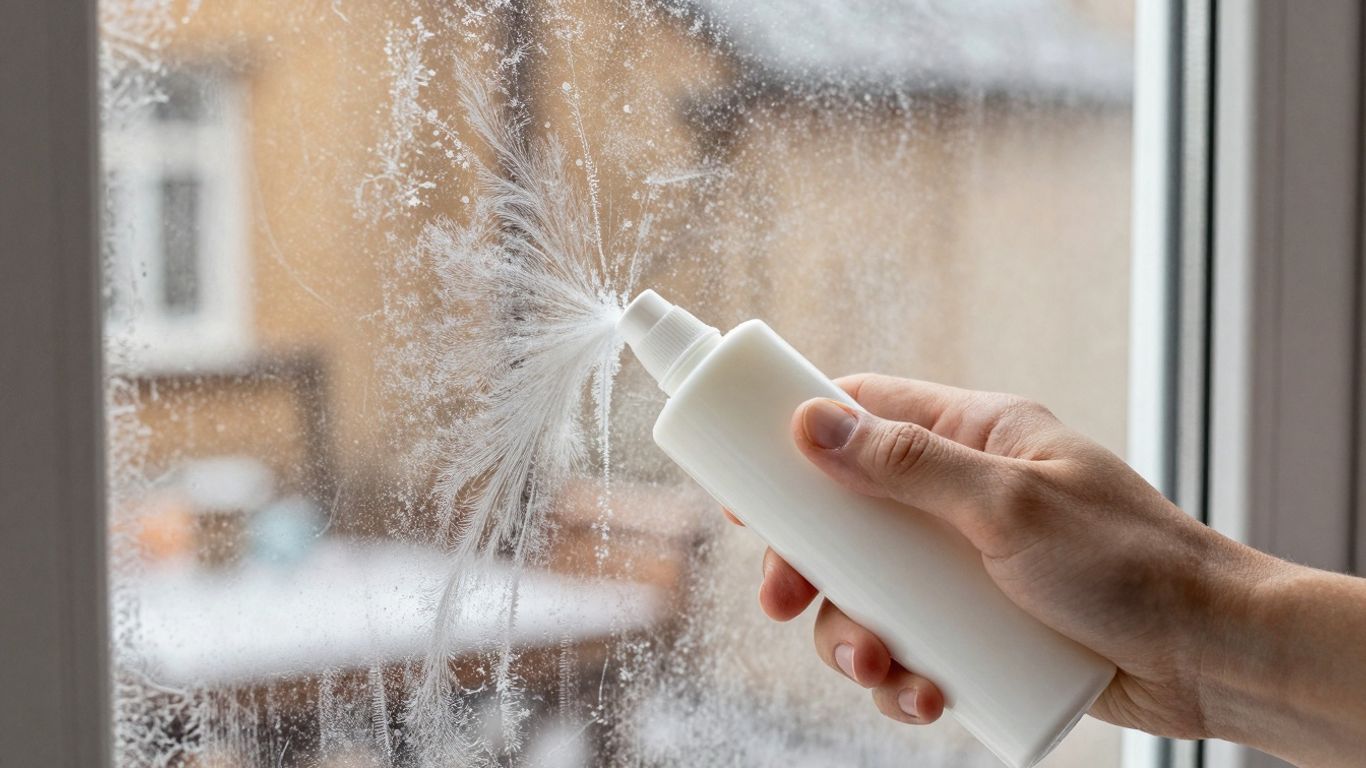
Winter weather can really do a number on your building’s structure if you’re not careful. One of the most straightforward, yet often overlooked, ways to prepare is by sealing up any gaps and making sure your insulation is up to scratch. Think of it like putting on a warm coat for your business – it stops the cold from getting in and the heat from escaping.
This is particularly important for preventing heat loss and keeping your energy bills from going through the roof.
Here’s what you should be looking at:
-
Exterior Walls: Go around the outside of your building and look for any cracks or holes. These can be around windows, doors, or where pipes and wires enter the building. Use a good quality caulk or sealant to fill these gaps. It might seem small, but even tiny openings let in a surprising amount of cold air.
-
Windows and Doors: Check the seals around your windows and doors. If they’re old or damaged, they won’t be doing much good. You might need to replace weatherstripping or consider secondary glazing if they’re particularly bad.
-
Attic and Roof Penetrations: Cold air can sneak in through the attic too. Pay attention to where pipes, vents, or electrical cables pass through the ceiling into the attic space. Sealing these areas helps keep the warm air inside your main living or working space.
-
Pipes: While this is also about preventing freezing, insulating exposed pipes, especially those in unheated areas like basements or crawl spaces, is a key part of keeping your building warm and preventing costly damage.
Taking the time to properly seal and insulate your business premises before the cold really sets in can make a significant difference. It’s not just about comfort; it’s about protecting your assets and managing operational costs effectively throughout the winter months.
Ensure Heaters Are Working Properly
When the temperature drops, your heating system becomes more than just a comfort feature; it’s a vital part of your business’s operation and safety. Regular checks and maintenance of your heating, ventilation, and air conditioning (HVAC) systems are non-negotiable during winter. This isn’t just about keeping your employees and customers warm; it’s also about preventing costly damage from freezing temperatures, especially in sensitive areas like sprinkler control rooms.
Think about it: a malfunctioning heater can lead to frozen pipes, which can burst and cause significant water damage. For areas housing critical equipment like sprinkler control valves or fire pumps, installing UL-approved gas or electric unit heaters is a smart move. These provide a reliable heat source even if the main system fails. It’s also worth considering a professional inspection and cleaning of your entire HVAC setup annually. This proactive step can catch small issues before they become big, expensive problems.
Don’t wait for a cold snap to discover your heating system isn’t up to the task. A little preparation now can save a lot of trouble later. Consider it an investment in uninterrupted operations and a safe environment.
Here’s a quick rundown of what to look at:
-
Annual Servicing: Schedule a professional check-up for your main heating system.
-
Auxiliary Heaters: Ensure any supplementary heaters, especially in critical areas, are functional and meet safety standards.
-
Thermostat Functionality: Verify that thermostats are accurately reading temperatures and controlling the heating appropriately.
-
Ventilation Checks: Make sure vents aren’t blocked by snow or ice, allowing for proper air circulation. You can find more information on preparing your heating system for winter at heating system readiness.
Keeping your heating systems in good working order is a key part of your overall winter preparedness plan.
Perform Regular Property Maintenance
Keeping your business premises in good shape all year round is important, but it becomes even more critical when winter weather hits. Think about the trees and shrubs around your building. If branches are overloaded with snow or ice, they can snap and fall, potentially causing damage to your property or even blocking access routes. It’s a good idea to trim back any overgrown branches before the heavy snow starts.
Beyond the landscaping, regular checks of your building’s exterior are a smart move. This includes looking for any small cracks or gaps in walls, around windows, and doors. Sealing these up with caulk or suitable insulation can make a big difference in stopping cold air from getting inside and warm air from escaping. Don’t forget about pipes, especially those that might be exposed to the elements. Draining seasonal or equipment lines that aren’t in use can prevent them from freezing and bursting.
Here’s a quick rundown of maintenance tasks to consider:
-
Inspect and trim trees and large shrubs near the building.
-
Seal any visible cracks or gaps in exterior walls, window frames, and door frames.
-
Check and drain any outdoor pipes or seasonal equipment lines that won’t be used during winter.
-
Ensure gutters are clear of debris to allow proper water drainage.
Taking a proactive approach to property upkeep before winter truly sets in can save you a lot of hassle and expense down the line. It’s about preventing small issues from becoming major problems when the weather turns harsh.
Also, make sure your heating systems are up to scratch. Getting them serviced annually means they’re more likely to run efficiently and reliably when you need them most. For any areas that are typically unheated, like sprinkler control rooms, consider installing a dedicated heater to prevent freezing.
Drain Seasonal Or Idle Equipment
When the colder months roll in, it’s not just about keeping the office warm; it’s also about protecting any equipment that might be sitting unused. Think about any machinery or tools that are only used during specific seasons or are currently out of commission.
Leaving water in these items can lead to serious problems. When temperatures drop below freezing, that water can expand and cause pipes, tanks, or internal components to crack or burst. This isn’t just a minor inconvenience; it can lead to costly repairs and replacements.
Here’s what you should consider:
-
Identify all seasonal or idle equipment: Make a list of everything that won’t be in regular use over the winter. This could include outdoor cleaning gear, specific manufacturing tools, or even vehicles that are stored away.
-
Drain thoroughly: For any equipment that holds water, ensure all of it is completely drained. This might involve opening drain plugs, tilting the equipment, or using compressed air to blow out any residual moisture.
-
Flush or blow out lines: If the equipment has internal lines or hoses, it’s a good idea to flush them with an appropriate fluid or use compressed air to ensure no water is left behind.
-
Store appropriately: Once drained, store the equipment in a dry, protected location if possible. Covering it can also offer an extra layer of defence against the elements.
Taking these steps now can save a lot of hassle and expense down the line. It’s a proactive measure that ensures your equipment is ready to go when you need it again, without suffering damage from the cold.
Check Exterior Pipes
When the temperatures start to drop, it’s really important to give some attention to the pipes that are on the outside of your building. These are the ones most at risk of freezing, and when they do, it can cause a lot of trouble.
Outdoor pipes should be shut off and drained before winter really sets in. If your exterior faucets don’t already have a shut-off valve inside the building, it’s a good idea to get one installed by a plumber. This allows you to completely cut off the water supply to those outdoor fixtures. After shutting off the valve, open the exterior faucet to let any remaining water drain out. This simple step can prevent a lot of potential headaches.
If you’re unsure about how to do this, or if your setup is a bit complex, don’t hesitate to call in a professional. It’s a small cost compared to the damage a burst pipe can cause. Keeping these exposed pipes clear of water is key to avoiding costly repairs down the line.
Clean The Gutters
It might not be the first thing you think of when preparing for winter, but keeping your gutters clear is actually pretty important. When snow and ice start to build up, blocked gutters can cause all sorts of problems.
Basically, if the water from melting snow or ice can’t flow away properly, it can back up. This can lead to ice dams forming on your roof, which can then cause water to seep into your building. Not ideal, right? Plus, standing water in gutters can freeze and expand, potentially damaging the gutters themselves or even the fascia boards they’re attached to.
Here’s a quick rundown of why it matters:
-
Prevents Ice Dams: Clear gutters allow meltwater to drain away, reducing the chance of ice building up along the roof edge.
-
Protects Building Structure: Stops water from pooling and potentially seeping into walls or causing damage to the roofline.
-
Extends Gutter Lifespan: Prevents the stress and damage caused by frozen water and debris.
It’s a good idea to give them a good clear-out before the really cold weather hits. If you’ve got trees nearby, you might find yourself doing this more than once. Consider installing gutter guards too; they can help stop leaves and other debris from getting in there in the first place, making your job a bit easier next time.
Install Early Detection System
When winter hits, the last thing you want is a surprise burst pipe or a sudden drop in temperature causing chaos. That’s where an early detection system comes in handy. Think of it as your business’s early warning system against water damage and freezing conditions.
One of the most effective ways to catch water issues is by installing an automatic excess flow valve on your main water line. This clever bit of kit monitors how much water is flowing. If it suddenly surges beyond the normal setting – which often happens if a pipe bursts or a valve fails – it automatically shuts off the water. This can save you a massive amount of damage and hassle.
Beyond water, keeping an eye on the building’s temperature is also smart. Installing a system that alerts you if the internal temperature dips below a certain point is a good idea, especially for areas with sensitive equipment or stock.
Here are a few things to consider:
-
Water Leak Detection: Place sensors near high-risk areas like water heaters, under sinks, and around major appliances. These can send immediate alerts to your phone or a central monitoring station.
-
Temperature Monitoring: Set up sensors in critical rooms or storage areas. If the temperature drops too low, you’ll get a notification before pipes freeze or stock is damaged.
-
Flow Monitoring: As mentioned, excess flow valves on main water lines can prevent catastrophic leaks.
Having these systems in place means you can react quickly, often before a small problem becomes a major disaster. It’s about being proactive rather than just dealing with the aftermath.
Use Wireless Sensors And A Monitoring System
When winter weather hits, keeping an eye on your business premises becomes even more important. That’s where wireless sensors and a good monitoring system really come into their own. These systems can give you a heads-up about potential problems before they turn into major disasters.
Think about placing sensors near key water sources like water tanks or any large commercial appliances that use water. If there’s a leak, these sensors can detect it straight away and send an alert. It’s a bit like having an extra pair of eyes watching over your property, especially when you can’t be there yourself.
Beyond just leaks, these systems can also monitor the temperature inside your building. Installing a heat detection system that sends notifications if the temperature drops below a certain point is a smart move. This can prevent pipes from freezing and bursting, which is a common and costly issue during cold snaps.
Here’s a quick rundown of what these systems can help with:
-
Leak Detection: Alerts you to water leaks near pipes, appliances, or tanks.
-
Temperature Monitoring: Notifies you if the internal temperature falls to risky levels.
-
Remote Access: Allows you to check on your property’s status from anywhere.
-
Early Warning: Gives you time to react and prevent minor issues from becoming major problems.
Having a reliable monitoring system in place means you’re not just reacting to problems; you’re actively preventing them. It’s about being proactive, especially when the weather outside is unpredictable and potentially damaging.
Have Emergency Backup Power
When winter storms hit, power outages can happen. It’s not just about keeping the lights on; it’s about keeping your business running. Having a reliable backup power source means your critical systems, like servers, security, and essential heating, can continue to function even when the grid goes down. This prevents costly downtime and protects your operations.
Think about what absolutely needs to stay powered during an outage. This could include:
-
Communication systems (phones, internet)
-
Security cameras and alarms
-
Refrigeration for perishable goods
-
Essential heating or cooling for sensitive equipment
-
Point-of-sale systems
Generators are a common solution, but you need to plan for their use. This includes having enough fuel on hand and knowing how to operate them safely. It’s also wise to have a plan for bringing electrical loads back online gradually to avoid surges that could damage equipment. Don’t forget about smaller, portable power banks for critical devices too.
Investing in backup power isn’t just a good idea; it’s a necessary step for business continuity during unpredictable winter weather. It safeguards your assets and your ability to serve customers when others can’t.
Consider the size of the generator needed based on the wattage of your essential equipment. It’s also worth looking into maintenance contracts for generators to ensure they’re ready when you need them. Regular testing is key.
Check Your Coverage
When winter storms hit, the financial fallout can be significant. It’s not just about the immediate damage; it’s also about the potential loss of income if your business has to close its doors for a while. This is where your insurance policy really comes into play. You need to be absolutely sure that your current coverage is up to scratch for the specific risks winter weather brings.
Think about what could actually happen. We’re talking about things like burst pipes causing water damage, heavy snow leading to roof collapses, or even extended power outages that halt operations. Does your policy cover these kinds of events? It’s not always as straightforward as you might think. Standard business insurance might not automatically include coverage for extreme weather events, especially if they’re considered ‘acts of God’.
Here’s a quick rundown of what to look at:
-
Property Damage: Does it cover damage from snow, ice, wind, and freezing temperatures?
-
Business Interruption: If you have to close temporarily, will it cover lost income and ongoing expenses?
-
Flood Damage: Sometimes, melting snow can cause flooding. Is this included?
-
Liability: What if a customer or employee slips on ice on your property?
It’s worth taking a close look at your Product Disclosure Statement (PDS) or speaking directly with your insurer. Don’t be afraid to ask questions. You might need to add specific riders or endorsements to your policy to make sure you’re properly protected. For instance, understanding the nuances of snow removal insurance can be particularly helpful if your business relies on outdoor operations.
Reviewing your insurance isn’t just a formality; it’s a proactive step to safeguard your business’s future. A small premium increase now could save you from financial ruin later.
Make sure you compare different options too. What one provider offers might be quite different from another. Getting this right means you can face the winter months with a lot more peace of mind, knowing that if the worst happens, your business has a financial safety net.
Keep Driveways And Walkways Clear
Winter weather can make getting around tricky, and for a business, that means keeping your entrances and pathways safe for everyone. Clear driveways and walkways are non-negotiable during the colder months. It’s not just about convenience; it’s a significant safety measure to prevent slips and falls.
Think about the flow of traffic. Customers, employees, and delivery drivers all need safe passage. Ignoring this can lead to accidents, which nobody wants. A good plan involves regular checks and prompt action.
Here’s a simple breakdown of what to do:
-
Regular Inspections: Check pathways frequently, especially after snowfall or during icy conditions.
-
Prompt Clearing: Shovel snow as soon as possible after it falls. Don’t wait for it to accumulate or turn into ice.
-
De-icing: Use appropriate de-icing agents to melt any remaining ice. Make sure to use products that are safe for your surfaces, like calcium or magnesium chloride.
-
Signage: If conditions are still a bit hazardous, put up temporary caution signs.
Keeping these areas clear isn’t a one-off task. It requires ongoing attention throughout the winter season. A little effort goes a long way in protecting your visitors and staff from potential injuries.
Secure Outdoor Heating And Cooling Units
Winter weather can put a strain on all sorts of equipment, and your external HVAC units, turbines, and exhaust fans are no exception. These are often exposed to the elements, and freezing temperatures, heavy snow, or ice can cause significant damage if they aren’t properly protected.
It’s important to take steps to secure these units before winter truly sets in. This isn’t just about preventing costly repairs; it’s also about ensuring your business can maintain a comfortable and safe environment, especially if your heating system relies on these external components.
Here are a few things to consider:
-
Clearance: Make sure there’s adequate space around your units. Heavy snow accumulation can block airflow, making the system work harder and potentially leading to overheating or freezing.
-
Protection: Consider installing protective covers or enclosures for your units. These should be sturdy enough to withstand wind and snow but designed to allow for proper ventilation. Avoid completely sealing them, as this can trap moisture and cause damage.
-
Drainage: Ensure that any water or melting snow around the base of the units can drain away freely. Standing water can freeze and expand, potentially damaging pipes or electrical connections.
-
Secure Mounting: Check that the units are securely mounted. High winds, common in winter storms, can cause unsecured units to shift or even become dislodged, leading to damage or safety hazards.
Regular checks throughout the winter season are also a good idea. Even with protective measures in place, it’s wise to periodically inspect your outdoor units for any signs of ice buildup, damage, or blockages. Early detection of issues can prevent minor problems from becoming major ones.
Think of it like preparing your car for winter – a little preventative care can save a lot of trouble down the line. Protecting these vital pieces of equipment helps keep your business running smoothly, no matter what the weather throws at you.
Keep Hydrants Clear
It might seem obvious, but keeping fire hydrants clear of snow and ice is a really important part of winter safety for any business. Firefighters need quick access to these hydrants in an emergency, and snowdrifts can seriously slow them down. Make sure there’s a clear space around each hydrant, at least a metre or so in every direction. This gives them room to connect their hoses without delay.
Clearing snow around hydrants isn’t just good practice; in some areas, it’s a legal requirement. You could face penalties if a hydrant on your property isn’t accessible when needed. It’s a simple task that can make a big difference when seconds count.
Here’s a quick rundown of what to do:
-
Identify all hydrants on or near your business property.
-
Clear snow and ice from around them promptly after a snowfall.
-
Maintain the cleared area so it doesn’t get re-covered.
Remember, this is about more than just compliance; it’s about community safety. A clear hydrant means faster response times for emergency services, which could save lives and property. Check out local regulations regarding hydrant clearance, as some municipalities have specific rules about the radius required around fire hydrants.
Keeping hydrants accessible is a shared responsibility that directly impacts emergency response capabilities. It’s a small effort with significant potential benefits during critical situations.
Wrapping Up: Staying Safe This Winter
So, there you have it. Winter can throw a lot at a business, from icy paths to power cuts. But by taking a few sensible steps now, like keeping walkways clear, having an emergency kit ready, and making sure your team knows what to do, you can make a big difference. It’s not about stopping the weather, of course, but about being prepared so you can keep things running as smoothly as possible and, most importantly, keep everyone safe. A little bit of planning goes a long way when the temperatures drop.
Frequently Asked Questions
Why is it important to keep walkways clear of snow and ice?
Keeping walkways clear of snow and ice is super important because it stops people from slipping and falling. When surfaces are icy or covered in snow, it’s easy to lose your footing, which can lead to nasty injuries. Making sure paths are clear helps everyone, like your customers and staff, get around safely without any accidents.
What should I include in a winter emergency kit for my business?
A good winter emergency kit should have essentials to keep everyone safe and comfortable if you get stuck. Think beyond just a first aid kit. You’ll want things like a battery-powered radio to get weather updates, torches for light, warm blankets, and enough water and non-perishable food to last for at least three days. It’s all about being prepared for unexpected situations.
How can I protect my business from potential winter weather damage?
To protect your business, start by looking at what kind of winter weather is most likely to affect you, like heavy snow or freezing pipes. Then, make sure your building is strong by sealing up any cracks or holes to keep the cold out. It’s also a good idea to check that your heating systems are working perfectly and to have a plan for clearing snow and ice, especially from your roof, after a big storm.