0207 870 1221

Understanding self-neglect in a hostel environment
Supporting individuals who struggle with their own care requires us to look beyond immediate appearances and consider the wider context of their history. When a resident self neglect homeless hostel scenario arises, we are often witnessing the culmination of long-term trauma, poverty, or chronic health challenges rather than a simple lack of motivation. Our role is to remain consistent and present, even when a resident struggles to engage with the basic requirements of daily life.
Defining indicators of self-neglect
Identifying self-neglect early helps us prevent a crisis from escalating while maintaining a focus on the person’s comfort. Common signs often include extreme disarray in living spaces, a noticeable decline in physical hygiene, or the refusal to access necessary medical supplies or health appointments. By staying vigilant during our daily rounds, we can catch these subtle shifts before they create significant risks to the resident or the wider hostel community.
Distinguishing between autonomy and harm
We always want to respect the choices of our residents, as independence is a core component of their rehabilitation journey. However, there is a point where personal choice transforms into genuine danger. We navigate this by looking for signs that the individual lacks the capacity to understand the consequences of their actions, relying on Mental Capacity Act guidance to frame our decisions as supportive rather than restrictive.
Psychological drivers behind neglected self-care
Many residents experience significant emotional distress that manifests as a withdrawal from self-care routines, often as a coping mechanism for past survival experiences. When we approach their behavior with curiosity rather than criticism, we open doors to trust. Often, this includes building professional boundaries that ensure our care feels safe, predictable, and devoid of the judgment they may have encountered elsewhere in their lives.
Establishing a supportive observation framework
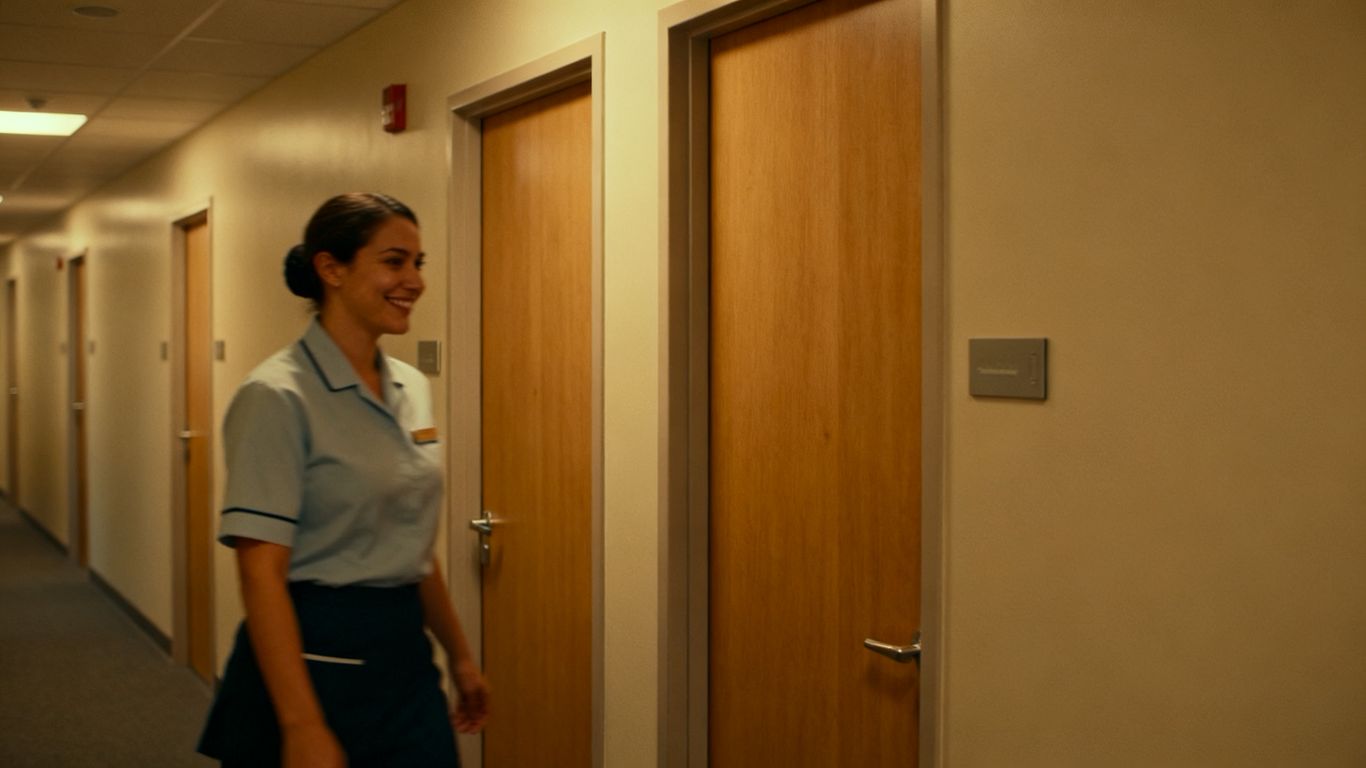
Regular observation allows us to track wellness trends without infringing on the privacy that every resident deserves. We rely on structured procedures to ensure that our presence feels like a standard part of the environment rather than a target on an individual’s back. By integrating HHS Group methodologies into our routine, we keep our monitoring subtle yet effective enough to detect health declines.
Setting boundaries for non-intrusive monitoring
Non-intrusive observation means checking in on the well-being of residents while preserving their dignity and personal space. We focus on noticing consistent patterns rather than reacting to every small deviation. This ensures that our interventions are meaningful because they are based on established norms for each individual’s behavior.
Using trauma-informed communication strategies
Trauma-informed care shifts our perspective from asking ‘what is wrong with you’ to ‘what has happened to you’, which changes how we deliver support. Our interactions are centered on:
- Active listening techniques that prioritize their current needs.
- Consistent check-ins that avoid perceived institutional pressure.
- Clear, honest communication about our safety responsibilities.
- Validation of their feelings regarding hostel living standards.
This approach builds the foundation for long-term engagement and trust between staff and residents.
Documenting trends rather than isolated incidents
Recording data in a way that captures the bigger picture prevents us from jumping to conclusions too quickly. By tracking progress over weeks, we can share objective findings with health partners rather than relying on gut feelings. This objective documentation is vital whenever we need to justify a formal care review or request external specialized support.
Initiating sensitive conversations about resident welfare
Broaching the topic of self-neglect requires a delicate touch to avoid making the resident feel cornered or defensive. Timing is everything, and finding a quiet moment in a familiar, neutral space can significantly improve the chances of a constructive dialogue. We aim for openness where our concern is clearly framed as a desire to see them supported, not controlled.
Choosing the appropriate time and private environment
Waiting for a calm moment is essential, as attempting to discuss personal health during periods of high stress is rarely productive. We invite residents to share their perspectives in an area where they feel secure, such as a lounge or a quiet office. This intentionality signals to the resident that we value their input and are not simply clearing a checklist.
Normalising discussions regarding personal care and hygiene
We strive to strip away the stigma of asking for help with daily living activities. When we treat personal care as a standard health topic, residents are often more willing to admit when they feel overwhelmed. Normalisation means removing shame from the conversation so that they can view asking for help as a strength rather than a failure.
Using collaborative language to avoid defensive withdrawal
Bringing people into the decision-making process helps them regain a sense of control over their health and living environment, reducing the feeling of being judged by others.
By ensuring the resident feels like a partner in their own welfare, we drastically reduce the likelihood of them shutting down. We avoid authoritative language, opting instead for prompts that seek their ideas on how to address a specific issue. This collaborative tone acknowledges the resident’s dignity as a key feature of our support work.
Implementing resident-led support plans

Resident-led planning puts the power back into the hands of the individuals we support, which is often the missing piece in overcoming persistent neglect. By ensuring the resident owns their goals, we increase the likelihood that they will follow through with the necessary care. We act as facilitators who provide the infrastructure for their growth, as exemplified by the HHS Group approach to resident engagement.
Building buy-in through collaborative goal setting
Real change happens when a resident identifies a personal reason for wanting to improve their situation. We start by asking what matters most to them—whether that involves getting back to work, managing a health concern, or simply feeling more comfortable in their room. Their priorities guide our next steps, ensuring our support remains relevant and actionable.
Offering small, incremental support steps to encourage agency
When challenges feel overwhelming, breaking them down into manageable tasks helps the resident feel empowered rather than defeated. We might begin by focusing on laundry, then addressing trash, and eventually moving toward more complex health goals. Success with these small steps builds the confidence needed to tackle larger long-term aspirations.
Balancing empathy with realistic expectations of personal responsibility
We walk a fine line between offering unconditional support and holding residents to the expectations required for a safe communal dwelling. Our goal is to promote independence while being clear about the boundaries that exist for the safety of everyone. By staying empathetic but firm in our expectations, we create a stable culture where residents know exactly where they stand.
Managing professional escalation and duty of care
When efforts at the local level no longer suffice, we must be decisive in seeking external assistance to ensure the resident remains safe from serious harm. Our duty of care is an active responsibility, and failing to act when risk is high poses a danger to both the individual and our peers. We use HHS Group guidelines to confirm that our escalation steps align with best practice requirements.
Identifying the threshold for external multi-agency intervention
Knowing when the risk has surpassed our expertise is a critical staff competency that requires clear internal guidance. If we spot signs of significant illness, cognitive decline, or immediate environmental danger, we reach out to social services or primary health providers. These partners provide the medical or legal authority needed to address crises that sit outside our primary remit.
Navigating the legal balance between personal freedom and safety
We recognize that residents have rights that we must not violate, even when we are worried about their choices. Balancing these rights with our safety mandate is the most challenging part of our job, but we treat it as a necessary tension. We stay within our legal powers while ensuring that any decision to intervene is documented with the justification that clearly points to the necessity of safeguarding.
Engaging specialist health or social work partners effectively
Cooperation with external agencies works best when we provide succinct, accurate reports of observed self-neglect symptoms. By maintaining clear records, we act as a bridge between the resident and the specialist services they may not be able to access alone. This partnership approach ensures the resident gets consistent care across all settings, from the hostel to the clinic.
Protecting staff wellbeing during complex support cases
Working with residents who struggle with profound self-neglect can be emotionally taxing, making staff support a non-negotiable priority for us. We cannot hope to support others effectively if we don’t look after our own mental resilience. This means fostering an environment where talking about difficult cases is encouraged rather than seen as a sign of weakness.
Providing structured professional supervision and debriefing
Regular check-ins after a difficult case allow us to process the complexities of our work in a safe setting. These sessions give us a chance to reflect on why a case felt heavy and to reset before our next shift. It is during these times that we identify if our internal procedures need updates to better support both residents and the staff on the front lines.
Identifying signs of secondary trauma among frontline workers
We actively monitor each other for signs of fatigue, cynicism, or emotional exhaustion that can stem from long-term exposure to complex trauma cases. Recognizing these symptoms early allows us to take a step back or rotate duties so that no one person carries the weight of a difficult case for too long. Prioritizing our team health is essential to maintaining high standards of care.
Maintaining professional resilience when outcomes remain uncertain
Sometimes, despite our greatest efforts, we cannot force a positive outcome for every resident, which is a difficult reality of hostel life. We find strength in knowing we have provided care that is consistent, dignified, and trauma-informed. Our professional resilience comes from focusing on the process—the support we offer daily—rather than attaching our worth solely to the immediate trajectory of the resident.
Conclusion
Successfully supporting residents through self-neglect requires a delicate balance of patient observation, trauma-informed communication, and clear professional standards. By focusing on long-term relationships and incremental support, we can help those in our charge move toward better stability while respecting their autonomy at every turn. When we prioritize staff well-being alongside resident dignity, we create a stronger, more resilient environment where healing from the trauma of homelessness actually becomes possible.
Frequently Asked Questions
At what point does self-neglect become a crisis that requires immediate intervention?
Self-neglect becomes a crisis when there is a significant risk to the resident’s physical health or when their living environment poses a direct danger to themselves or others. You should initiate an emergency protocol if you suspect malnutrition, severe untreated infection, or a total inability to manage essential hygiene that threatens health stability.
How can we maintain a trauma-informed environment while setting strict safety boundaries?
Maintaining a trauma-informed environment involves explaining the rationale behind safety expectations clearly and honestly. If a policy exists, explain its purpose as a collective safety tool that protects everyone in the hostel rather than as a punitive restriction, which helps minimize feelings of trauma and promotes a sense of shared responsibility.
Is it ever acceptable to enter a resident’s room without their explicit permission?
Yes, but only under specific, documented circumstances defined by your hostel policy and local safeguarding laws. Generally, this is reserved for instances where you have genuine concerns about a welfare emergency or when there is a clear, immediate risk of harm, and usually requires senior approval to ensure the action is legally and ethically defensible.
How do we support residents who consistently refuse help despite clear signs of distress?
Continue to offer options in a low-pressure way, maintaining a presence that is kind and non-judgmental. Sometimes, it takes multiple attempts for a resident to feel safe enough to accept support, so continuing to build rapport is more effective than pressing the issue, provided there isn’t an immediate life-threatening crisis requiring escalation.
What should staff do if they feel overwhelmed by a resident’s complex needs?
Speak with your team lead or manager immediately to discuss the situation during a supervision session. Use this opportunity to share the emotional load, review your support strategy, and request additional resources or partner agency involvement, which ensures that no one is left to manage a complex support case alone.
Can we involve a resident’s family or community members in their care plan?
Yes, if this is in line with the resident’s own wishes and consent protocols. If the resident is willing to have loved ones involved, they can provide invaluable insights into their preferences and triggers, though you must ensure all communication respects data privacy rules and follows the resident’s clear permission to include outside parties.
How do we keep our own professional boundaries clear when showing compassion?
Professional boundaries are maintained by keeping actions focused on the resident’s goals rather than personal friendship. Practice reflective habits that allow you to acknowledge your natural feelings of empathy while maintaining a consistent distance that keeps both you and the resident safe and focused on their independent growth.