0207 870 1221

Understanding accommodation security risks
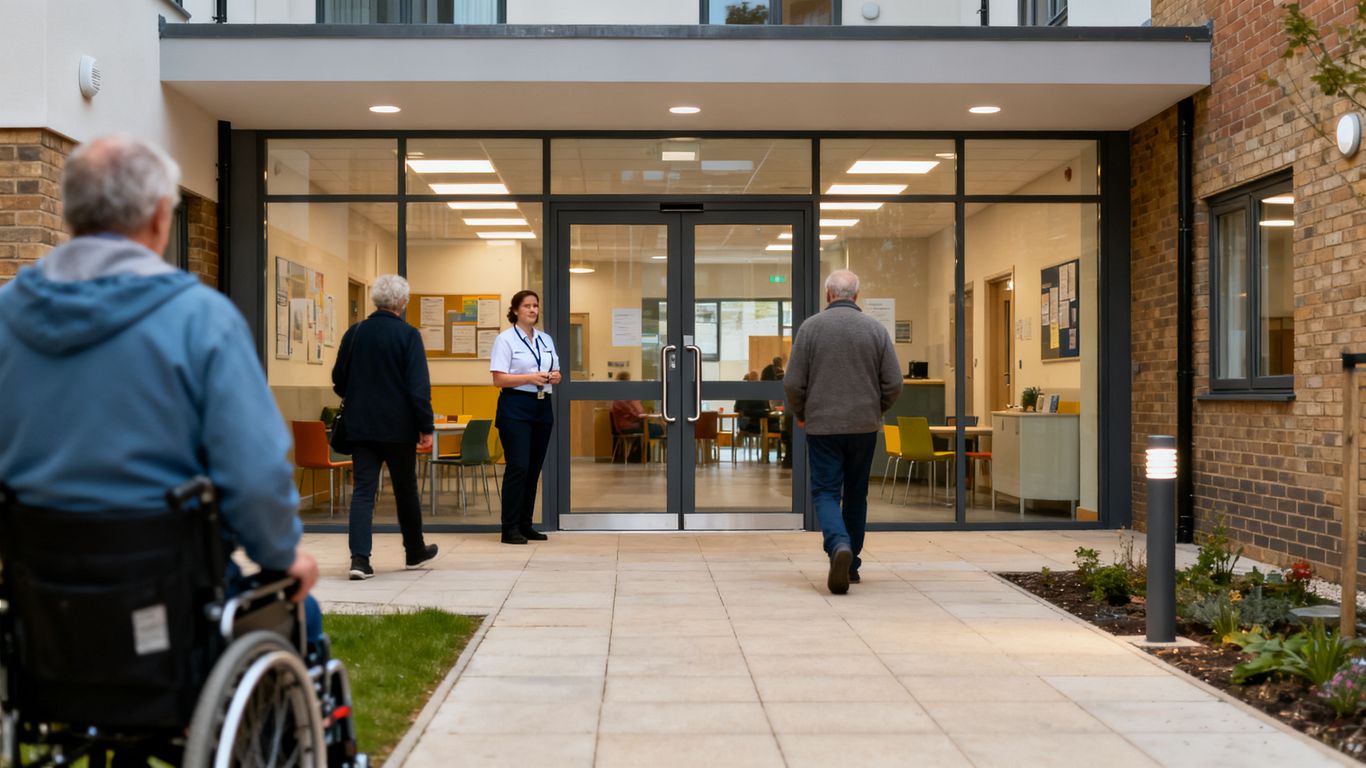
Accommodation security is not simply a matter of keeping unwanted people out. We need to protect residents, staff, visitors and property while preserving a home-like environment for people who may already have experienced instability or harm. A useful approach begins with understanding how the building operates, who uses it and where risks change throughout the day.
Common threats in hostels and supported housing
Hostels and supported housing can face unauthorised access, theft, violence, antisocial behaviour, criminal exploitation and damage to property. Risks may increase when visitors arrive late, when staffing levels change, or when communal spaces become difficult to observe. We should also consider less visible concerns, such as intimidation between residents, unsafe visitors and the misuse of keys or access cards.
A site assessment should look beyond headline incidents. Near misses, repeated arguments, missing belongings and doors being propped open can all point to weaknesses before a serious event occurs. We can then focus on patterns rather than relying on assumptions about residents or neighbourhoods.
How resident needs influence the risk profile
The people living in a service will have different support needs, routines and levels of vulnerability. Some residents may be at risk from former partners, exploitative acquaintances or peers, while others may need additional help to understand visitor arrangements or emergency procedures. Substance use, mental ill health, mobility needs and language barriers can also affect how a person experiences security measures.
We should gather information sensitively and avoid treating a diagnosis or personal history as a risk in itself. The relevant question is what support, environment or adjustment will help this resident remain safe. This makes accommodation security more individual, practical and respectful.
Balancing personal safety, privacy and independence
A building can become oppressive if every movement is monitored or if residents feel that ordinary visitors are treated as suspicious. Excessive restrictions may damage trust and encourage people to bypass procedures. At the same time, vague boundaries can leave residents and staff unsure about what to do when a genuine concern arises.
We can explain why measures exist, how information is used and who can authorise exceptions. Residents should know which areas are private, which are shared and how to challenge a decision. Proportionate security protects dignity as well as physical safety, so reviews should consider both outcomes.
Security works best when people understand it, can use it, and know how to question it.
That principle helps us distinguish necessary controls from habits that have simply continued over time. It also encourages conversations with residents rather than imposing a system that does not fit the service.
Assessing risks in communal and private areas
Communal kitchens, lounges, corridors, laundries and reception areas create different opportunities for harm than bedrooms or self-contained flats. We should consider sightlines, lighting, escape routes, staff access, privacy and the possibility that a resident may feel trapped or exposed. Private areas require particular care because safety checks must not become unjustified intrusion.
A practical assessment can map who enters each space, at what times and for what purpose. We can record existing controls, their limitations and any reasonable improvements, then agree which risks need immediate action and which can be managed through routine supervision or resident support.
Building a proportionate security strategy
A strong strategy joins physical measures, staffing, safeguarding and clear procedures. It should be shaped by the particular building rather than copied from another service with a different layout or resident group. We should also make sure that security supports the wider care plan instead of operating as a disconnected layer.
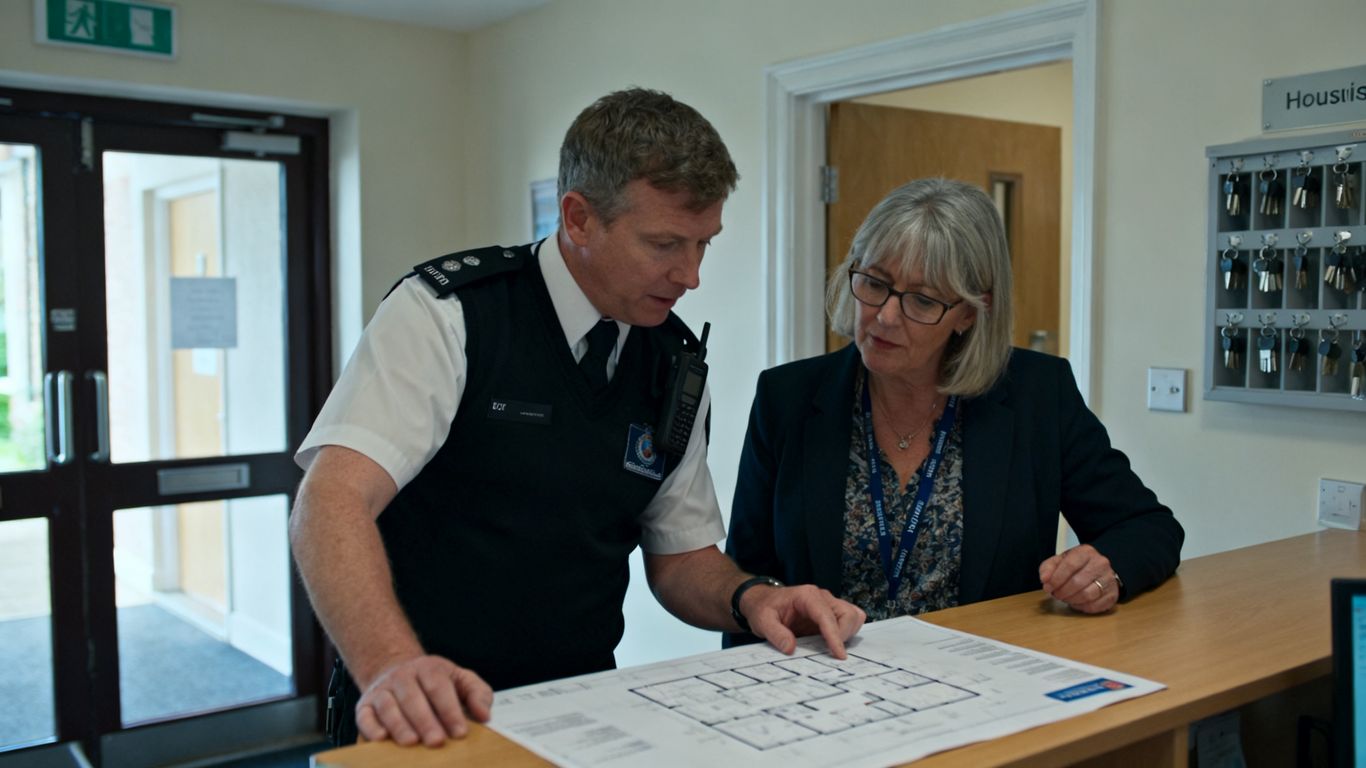
The strategy should be understandable to everyone who has a role in the building. That includes residents, support workers, managers, maintenance teams, agency staff and contractors. When responsibilities are visible, small problems are more likely to be dealt with before they become incidents.
Carrying out a site-specific security assessment
We can begin with a walk-through at different times, including evenings, weekends and shift changes. The assessment should cover entrances, exits, reception, shared rooms, bin stores, car parks, gardens, roof access and any poorly observed corners. We should speak with staff and residents because their day-to-day experience often reveals practical weaknesses that a desk-based review misses.
The final assessment should describe the risk, the people who may be affected, current safeguards and proposed actions. It should have an owner and review date. A long document is less useful than a clear record that can guide decisions and be updated.
Defining responsibilities for staff, residents and contractors
Security becomes unreliable when everyone assumes someone else is responsible. Managers should set the policy and ensure resources are available; staff should follow procedures, record concerns and escalate appropriately; residents should receive clear information about agreed expectations. Contractors need to understand access limits, sign-in requirements and what to do if they encounter a safeguarding concern.
We can set out these duties in induction material, shift information and contractor briefings. Where external security staff are used, their role should be distinguished from support or concierge work. For example, HHS Group describes vetted security guards providing a visible, uniformed presence at entry points, managing access and de-escalating conflict in hostel settings.
Prioritising measures according to risk and resources
Not every service needs the same equipment, staffing pattern or access restrictions. We should first address controls that reduce serious and foreseeable harm, then consider improvements that make everyday operation easier. Cost matters, but a low-cost change such as repairing a closer or improving a handover can sometimes have more value than installing another system.
A simple priority order can help teams make consistent decisions:
-
Immediate actions for risks that could cause serious harm
-
Routine controls that prevent predictable access or safeguarding problems
-
Improvements that increase visibility, communication or reassurance
-
Longer-term works requiring funding, permissions or specialist advice
This approach gives managers a defensible basis for allocating resources. It also prevents technology or visible guarding from being treated as a substitute for basic maintenance and good practice.
Reviewing security arrangements after incidents or changes
Every significant incident should prompt a calm review, not an automatic tightening of rules. We should ask what happened, what information was available, which control failed or was missing, and whether the response was proportionate. Residents and staff may offer different but equally valuable accounts of the event.
Reviews are also needed after refurbishment, changes in occupancy, new referral pathways, altered staffing or the opening of a temporary shelter. In Cambridge, HHS Group security guards are described as working in hostels, supported accommodation and emergency shelters, with site-specific training and flexible ongoing or reactive cover. That illustrates why the operating context needs to be considered when arrangements change.
Securing buildings, entrances and shared spaces
Physical security should make safe behaviour easy and unsafe access difficult. Entrances need to be welcoming enough for residents and legitimate visitors, while still giving staff a reasonable opportunity to identify and respond to concerns. Shared spaces should support visibility without removing privacy.
The most effective arrangements are usually layered. Doors, lighting, staff presence, access permissions, routine checks and resident engagement each address a different part of the risk. If one element fails, another should help limit the consequences.
Managing keys, fobs and access permissions
We should keep an accurate record of keys, fobs and other access devices, including who has them, which areas they open and when they must be returned. Lost items need a consistent response, especially if they provide access to bedrooms, offices or stores. Permissions should be removed promptly when a resident moves on, a contractor finishes work or a staff member changes role.
Residents should be told not to lend access devices and should have a straightforward way to report a loss. Periodic checks can identify dormant permissions and doors that are being held open. These controls are administrative, but they often prevent avoidable incidents.
Designing safer entrances, exits and communal areas
We can improve safety through clear routes, uncluttered corridors, visible reception points and seating that does not create hidden corners. Doors should allow lawful escape and comply with fire safety requirements; security must never create a dangerous obstruction. Staff should be able to summon assistance without needing to cross an unsafe area.
The design should also consider accessibility. A control that is difficult for a wheelchair user, a person with poor vision or someone carrying belongings may encourage workarounds. Testing the environment with residents can reveal these issues early.
Using lighting, signage and visibility effectively
Lighting should cover approaches, entrances, paths, bins, parking areas and other locations where people may feel vulnerable. It should be even enough to support recognition without producing glare or deep shadows. Signage can explain visitor routes, restricted areas, emergency exits and reporting options in plain language.
We should avoid filling every surface with warnings. A small number of well-placed, readable signs is easier to follow and less likely to be ignored. Staff can then reinforce the key messages during induction and everyday conversations.
Inspecting doors, windows, alarms and boundary controls
Routine inspections should check that doors close properly, windows are secure, alarms are operational and boundary gates cannot be bypassed easily. Defects need to be logged with a responsible person and target date, rather than mentioned informally at handover. Temporary controls should be recorded so that they are not mistaken for permanent repairs.
Testing should be planned around the manufacturer’s instructions, site procedures and relevant legal duties. We should keep records of faults, call-outs and repeated failures. A recurring defect may indicate that the underlying arrangement needs redesign rather than another short-term repair.
Supporting residents through safeguarding and engagement
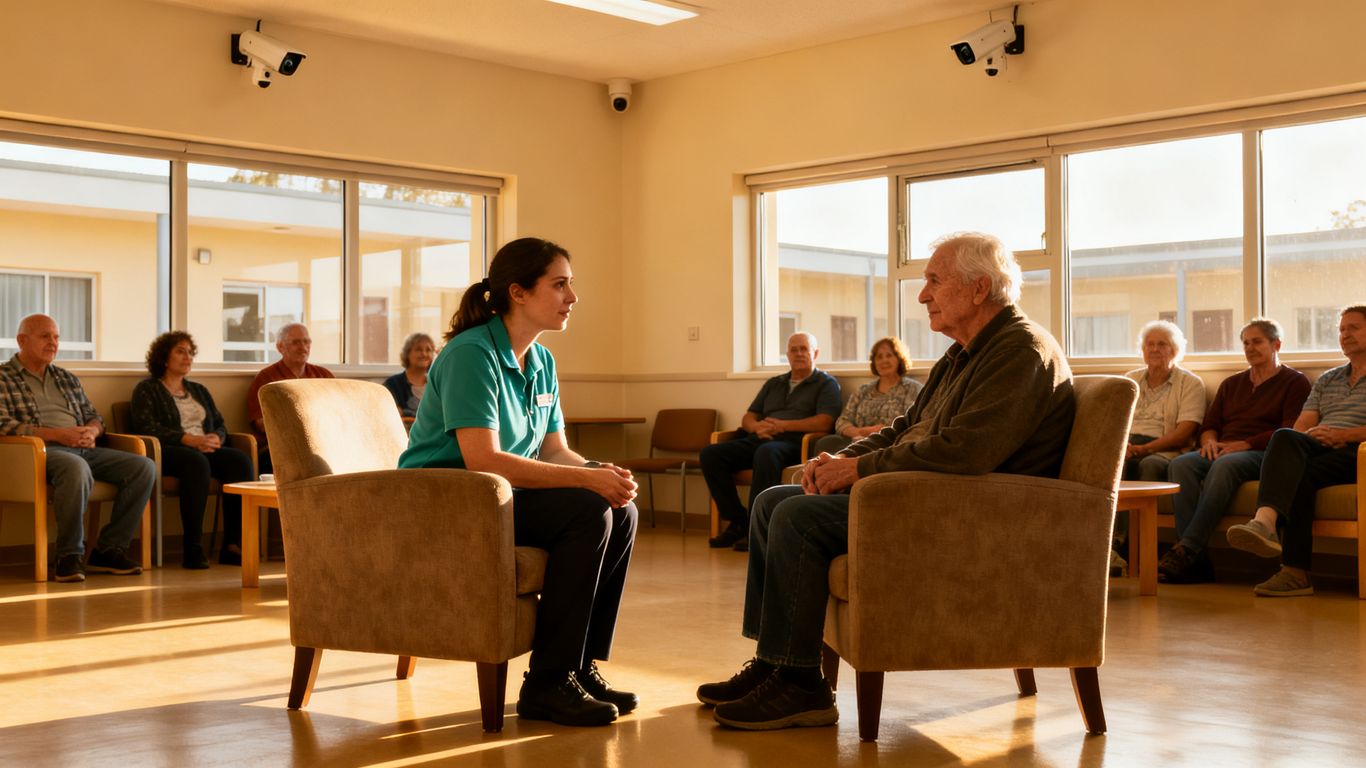
Residents are central to a safe service, not an obstacle to it. They may notice changes in behaviour, unfamiliar visitors or pressure from others before staff do. Building trust takes time, particularly where people have experienced institutions, violence or discrimination.
Engagement should be regular and practical. We can explain expectations, invite feedback and make sure residents know what will happen after they raise a concern. The aim is a setting where people can seek help without fearing that they will automatically lose their independence.
Creating clear visitor and guest arrangements
Visitor arrangements should state when guests may attend, how they sign in, which areas they may use and what behaviour is unacceptable. Rules should be applied consistently, but they should also allow staff to respond to safeguarding information and individual circumstances. Residents need to know how an exception can be requested and who makes that decision.
We should explain the purpose of sign-in processes rather than presenting them as unexplained surveillance. Staff can use the same language at reception and during house meetings, reducing arguments caused by inconsistent messages.
Recognising signs of exploitation, abuse and coercion
Possible warning signs include a resident appearing frightened of a particular visitor, unexplained gifts or debts, sudden changes in routine, missing possessions, injuries, increased isolation or someone else speaking for them. No single sign proves abuse, and staff should avoid confronting a suspected perpetrator without a safe plan.
Concerns should be recorded factually and passed through the safeguarding pathway. We can use supervision and training to help staff notice patterns while respecting confidentiality. Local procedures should explain when an urgent response or referral is required.
Applying trauma-informed and non-discriminatory practices
A trauma-informed approach recognises that a person may react strongly to questioning, uniforms, locked doors or unexpected searches because of earlier experiences. We can offer choices where possible, explain what is happening, and avoid language that labels a resident as troublesome. The same standard of safety should apply to everyone, with reasonable adjustments where needed.
This does not mean ignoring harmful behaviour. It means separating the behaviour from assumptions about identity and responding in a way that reduces escalation. HHS Group describes its security guards in several supported-housing settings as trained in conflict management and safeguarding; HHS Group security services also describes site-specific induction for hostel work in Oxford and Oxfordshire.
Helping residents report concerns safely
Reporting routes should include more than one option. A resident may not feel able to speak to the person on duty, particularly if that person was involved in an earlier disagreement. We can provide private conversations, written reporting, emergency contacts and access to independent advocacy where appropriate.
Staff should explain what information may need to be shared, what can remain confidential and what response times are realistic. After a concern is raised, a respectful update can help maintain trust even when the investigation cannot be discussed in detail.
Using technology responsibly
Technology can support staff and residents, but it should not be treated as a complete security plan. Cameras, intercoms, alarms and access systems need a clear purpose, reliable maintenance and responsible management. We should consider how each tool affects privacy, accessibility and trust before it is introduced.
A device is useful only when someone knows what an alert means and can respond appropriately. If equipment creates notifications that no one checks, it may provide reassurance without providing protection. Human judgement remains essential.
Choosing CCTV and video door-entry systems
We should identify the specific problem a system is intended to address before deciding where cameras or video door entry are needed. Positioning should avoid unnecessary views into private areas, and residents should be told about the system in accessible language. Door-entry equipment should support identification and communication without preventing lawful escape or excluding people who need assistance.
The decision should take account of lighting, staffing and the likely response to an alert. A camera cannot compensate for an entrance that nobody monitors, and recorded footage may not help if images are poorly positioned or routinely overwritten.
Managing personal data and privacy requirements
Images, recordings, access logs and visitor details may contain personal data. We should establish a lawful purpose, limit collection, control access and set retention periods that can be justified. Policies should cover disclosure, subject access requests, security breaches and the safe disposal of equipment or records.
Residents should be able to ask sensible questions about what is recorded and who can view it. Privacy impact assessments and consultation can identify concerns before installation. The least intrusive method that manages the risk will usually be the better starting point.
Combining technology with staff presence and oversight
Technology should reinforce good routines rather than replace them. Staff still need to welcome residents, notice changes in mood, challenge unsafe access and respond to alarms. Regular presence can also make a building feel safer in ways that a screen or sensor cannot.
We should define who monitors systems, how quickly alerts are checked and what escalation looks like. If an overnight worker is alone, the procedure must reflect what they can safely do. Clear ownership prevents equipment from becoming background noise.
Maintaining, testing and reviewing security equipment
Access controls, alarms, intercoms and recording systems need scheduled tests and prompt fault reporting. We should check batteries, connectivity, storage capacity, time settings and emergency overrides where relevant. Staff should know how to report a defect and what temporary arrangement applies while it is being repaired.
Reviewing equipment also means asking whether it remains necessary and proportionate. Changes to the building or resident group may alter its value, while repeated false alarms may show that settings, training or the original design need attention.
Preparing for incidents and emergencies
Preparation helps us respond with less confusion when a situation becomes fast-moving. Procedures should be short enough to use under pressure and detailed enough to clarify who calls for help, who protects residents and who records what happened. They should cover both immediate safety and the support needed afterwards.
We should practise important arrangements without creating unnecessary distress. Debriefs can identify gaps in communication, equipment, staffing and decision-making. They also give residents a voice in how emergency plans affect them.
Developing procedures for violence, theft and unauthorised access
Procedures should set out how staff summon assistance, create distance, move people to safety and preserve evidence. They should distinguish between an immediate threat, a suspected theft and a person who has entered without permission. Staff must not be expected to physically intervene beyond their training or role.
A useful procedure names escalation points, emergency contacts and post-incident actions. It should also explain how affected residents receive support and how information is shared with managers, safeguarding leads or the police when appropriate.
Responding to missing residents and welfare concerns
A missing-person response should reflect the resident’s known circumstances, vulnerabilities and usual routine. Staff need to record when the person was last seen, relevant risks, likely destinations and any immediate welfare information. Waiting periods should not be used rigidly where there is a reason to believe someone is at significant risk.
The response should respect the resident’s rights while focusing on safety. We can agree in advance which contacts may be used, what information can be shared and how the person will be welcomed back without judgement.
Coordinating with emergency services and local partners
Good relationships with emergency services, local authorities, housing providers, health teams and charities can make responses more joined-up. We should know which incidents require an immediate call, which concerns follow a safeguarding referral and who can provide specialist support. Contact details need regular checking.
Local partners may also help us understand recurring issues around the building or coordinate support during severe weather and emergency accommodation. For services needing flexible staffing, hostel security support describes HHS Group guards providing a visible presence, access management and conflict de-escalation in Bath and surrounding areas, including emergency shelter contexts.
Supporting staff through lone-working and personal safety measures
Lone workers need reliable communication, clear check-in arrangements and a simple escalation route. We should assess visits, late shifts, isolated areas, cash handling, conflict risks and the availability of assistance. Training should cover de-escalation, boundaries, emergency calls and leaving an unsafe situation.
Personal safety arrangements must be tested in practice. A check-in process that depends on a busy colleague remembering it may fail, while equipment that staff do not carry will not help during an incident. Managers should listen to workers after difficult events and provide appropriate follow-up.
Monitoring performance and improving security
Security arrangements need evidence and review, not just confidence that they are working. We should combine incident information with observations, resident feedback, maintenance records and staff experience. The aim is to learn, not to create a culture where people hide mistakes.
Measures should be reviewed against the risks they were designed to manage. A rise in reports may sometimes indicate worsening conditions, but it may also show that residents now feel safer reporting concerns. Context matters.
Recording incidents, near misses and recurring patterns
Records should be timely, factual and consistent. They can include the location, time, people involved, immediate action, injury or damage, referrals and any outstanding tasks. Near misses deserve the same attention because they show where a future incident might occur.
We can periodically group records by location, time, type of behaviour and contributing factor. This may reveal a recurring problem with an entrance, shift handover or visitor arrangement. Any analysis should protect personal information and avoid unnecessary labels.
Training staff and checking operational compliance
Induction should cover the site layout, access arrangements, safeguarding, emergency procedures, incident recording and personal safety. Refresher training is useful after an incident or policy change, but it should also happen routinely. Managers can check understanding through supervision, observation and short scenario discussions.
Where external guards are used, we should confirm that the agreed role, site induction and reporting expectations are understood. Training records alone do not prove that a procedure works; observation and feedback show whether it is being applied during ordinary shifts.
Communicating expectations through induction and house rules
Residents should receive essential information when they move in and have opportunities to revisit it later. House rules work best when they are written plainly, explained verbally where needed and connected to shared safety rather than punishment. We should make clear how rules apply to visitors, noise, prohibited items, keys and emergencies.
Staff should use consistent wording while allowing room for individual support needs. Translated, large-print or easy-read information may be appropriate. Feedback from residents can help us remove rules that are unclear, unrealistic or no longer relevant.
Measuring whether security measures remain effective and proportionate
We can review response times, repeat incidents, unresolved defects, access failures, resident feedback, staff confidence and the use of restrictive measures. No single figure tells the whole story. A reduction in incidents is useful, but it should be considered alongside reporting rates and changes in occupancy.
The review should end with decisions: retain, amend, replace or remove a control. That keeps accommodation security tied to real needs and available resources. When we explain those decisions openly, residents and staff are more likely to understand and support the next stage of improvement.
Conclusion
Safe hostels and supported housing depend on thoughtful systems, capable people and respectful relationships. By assessing the actual environment, involving residents, maintaining basic controls and reviewing responses honestly, we can make security more effective without turning accommodation into an institution. The best arrangements remain visible, proportionate and responsive as needs change.
Frequently Asked Questions
What does accommodation security include?
It includes physical measures, access management, staffing, safeguarding, emergency planning, resident engagement, incident recording and the responsible use of technology.
Why is a site-specific assessment necessary?
Buildings, residents, staffing patterns and local conditions differ, so a site-specific assessment identifies actual risks rather than relying on generic controls.
How can security respect residents’ privacy?
We can collect only necessary information, explain the purpose of controls, limit access to personal data and use the least intrusive measure that manages the risk.
Should every hostel use CCTV?
Not necessarily. CCTV should be considered only where there is a clear purpose, a lawful basis, suitable positioning, responsible monitoring and an appropriate response process.
How should staff respond to aggressive behaviour?
Staff should follow their training, keep distance, summon help, move people to safety and avoid physical intervention beyond their role and competence.
What should happen when a resident goes missing?
Staff should follow a risk-based procedure using the person’s circumstances and vulnerabilities, record relevant information and contact emergency or safeguarding services when required.
How often should security arrangements be reviewed?
They should be reviewed routinely and after significant incidents, building changes, staffing changes, changes in occupancy or new information about local risks.