0207 870 1221

Key Takeaways
Implementing structured protocols for handling correspondence is essential for supporting hostel residents as they rebuild their lives. Our approach ensures security, dignity, and efficiency in every interaction.
-
Establish clear responsibility and secure storage protocols to protect sensitive resident documentation.
-
Integrate digital tools to maintain accurate logs and reduce the risk of lost or misdirected mail.
-
Train staff on data privacy to maintain professional boundaries and build resident trust.
-
Regularly update mail management policies to reflect current GDPR requirements and operational shifts.
-
Use mail services as a tangible bridge between transient hostel stays and future stable housing situations.
The importance of mail access for homeless hostel residents
For many people, the post is a mundane element of daily life that is easily ignored. However, for those navigating hostel residency, an official mailing address acts as a vital anchor to the rest of the world. By ensuring reliable access, we can directly impact the success rates of our residents as they work towards independence.
The role of a permanent address in securing benefits and social services
Securing necessary government support often depends on the ability to receive physical notifications at a verifiable location. Without this, residents risk missing critical deadlines, housing voucher updates, or benefit approvals that could alter their trajectory toward permanent housing. A mailing address is a fundamental requirement for maintaining eligibility for essential assistance programs.
Fostering dignity and personal autonomy through reliable delivery processes
When we provide residents with a dependable way to receive letters and parcels, we acknowledge their privacy and personal agency. Reliable post delivery allows individuals to manage their own affairs, from receiving birthday cards to coordinating job interviews, which reinforces their sense of control over their circumstances. This simple act of logistical support demonstrates respect for their personal connection to the outside world.
Overcoming the barriers created by lack of physical documentation
Many residents face significant hurdles when attempting to prove their identity for employment or official contracts. Having a consistent place to receive documentation like birth certificates or government correspondence is an essential service we provide. We believe that secure and reliable mail access is a foundational step in overcoming the systemic barriers that prevent individuals from leaving homelessness behind.
Managing resident mail in homeless hostels as a tool for transition into stable housing
By treating the mailroom as a core component of our service infrastructure, we help residents establish the habits and administrative readiness needed for tenancy. Transitioning into independent living requires managing recurring communications, and getting started while still in a hostel builds vital life skills. We view this service as a bridge between the temporary nature of shelter living and the permanence of a future home.
Developing a robust mail management policy
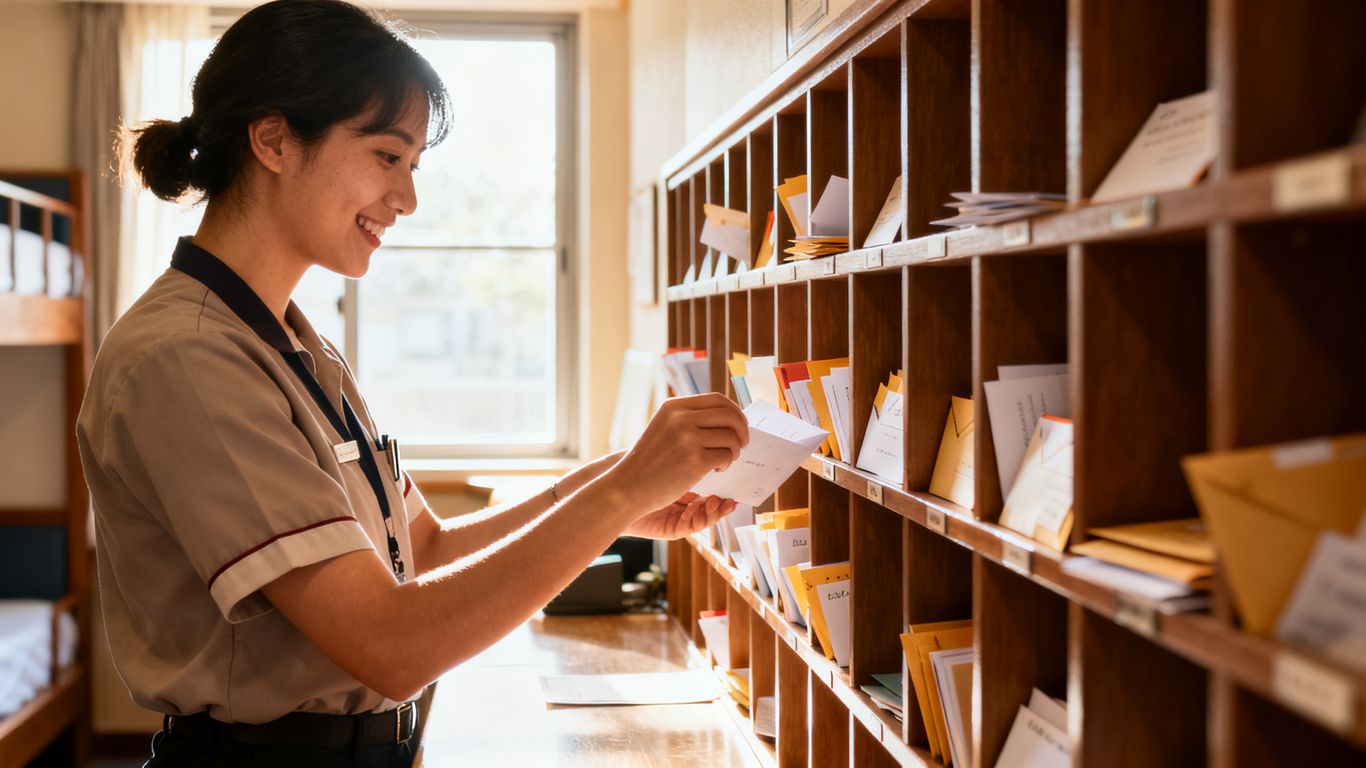
Developing a clear policy requires balancing accessibility with staff capacity and data security. By defining clear roles and physical boundaries, we minimize errors and create a predictable environment for all parties involved. This structure reduces ambiguity and supports efficient operations.
Determining administrative responsibility for sorting and secure storage
Centralizing the intake of all deliveries is necessary to prevent the loss of critical items. We assign specific staff members to manage the mail, ensuring that documents are placed directly into designated secure storage as soon as they arrive on-site. This consistency prevents the ad-hoc handling of sensitive information, which often leads to misplacement.
Handling sensitive documents such as bank statements and legal notifications
We exercise extreme caution when internal systems receive financial or legal sensitive documentation to prevent unauthorized access. The following steps guide our team when handling high-importance post:
-
Confirm the identity of the recipient upon notification of arrival.
-
Store items in a locked, restricted-access facility behind the reception desk.
-
Log the receipt and release of the item in a confidential register.
-
Ensure the recipient signs for the item upon collection to confirm delivery.
By following these procedures strictly, we ensure that every critical piece of mail remains in the intended hands.
Establishing consistent schedules for post collection and distribution
Regularity is key to managing expectations for our residents and avoiding unnecessary pressure on staff. By defining specific windows for mail collection each day, we ensure that everyone knows when they can expect to be notified. This predictability allows residents to plan their day accordingly and reduces the frequent interruptions at the front desk.
Creating clear resident privacy agreements and usage policies
Every resident receives an induction that outlines how we manage their correspondence during their stay. We ask that residents sign an agreement that details what types of mail we accept and how long we hold abandoned items. Providing this information upfront prevents misunderstandings and establishes expectations for mutual privacy and facility usage.
Security protocols for incoming correspondence
Security is not just about protecting information—it is about keeping our hostel environment safe for everyone. We monitor incoming volumes and verify deliveries to prevent any potential risks to the site or its inhabitants. This proactive stance ensures we maintain control over what enters the building.
Protecting personal data to prevent identity theft
We recognize the value of personal information found on bank statements and official documents. Our team follows strict data minimization principles, ensuring that we only view the exterior of the envelope to identify the owner. By keeping all mail sealed and out of public view, we prevent unwanted eyes from accessing private data.
Screening parcel deliveries for safety and prohibited items
Staff training includes visual checks for package integrity to ensure the safety of our environment. We never open parcels unless there is a specific, documented safety concern, but we do use visual assessment to identify potential hazards. This helps us ensure that the facility remains free from prohibited items while respecting the privacy of the delivery.
Safeguarding physical mail logs for administrative accountability
Our administrative systems rely on accurate documentation to ensure that every letter is accounted for. We keep physical logs hidden from public view, recording the sender and the reception time for every delivery. This level of auditability provides us with the necessary verification if a resident believes an item has gone missing.
Mitigating risks associated with misdirected or suspicious post
Occasionally, mail arrives for residents who are no longer on-site or for individuals who do not reside at our facility. We immediately mark these as ‘return to sender’ to avoid holding sensitive data that we are not authorized to store. By acting decisively, we reduce our liability and ensure that mail reaches its correct destination as quickly as possible.
Operational workflows for staff and resident interactions

Our workflows must be as supportive as they are efficient to ensure residents feel welcomed rather than monitored. We train our teams to treat every interaction as an opportunity to support the resident’s independence. This requires a balanced approach to both professional boundaries and empathetic service delivery.
Staff training on professional boundaries and data confidentiality
Regular training sessions help our staff handle mail in a manner that respects both the resident’s privacy and our duty of care. Employees learn how to communicate effectively without overstepping personal boundaries or engaging with the private contents of resident correspondence. This is a vital component of protecting resident trust and ensuring institutional compliance.
Communicating the arrival of post to residents with limited communication tools
Not every resident has easy access to a phone or email, requiring us to rely on physical signage or regular face-to-face updates. Our staff makes notes of arrivals on a central board, allowing residents to check at their convenience. This low-tech, reliable approach ensures that no one is excluded from receiving important notifications.
Establishing procedures for unclaimed or abandoned items
When items remain unclaimed for an extended period, we look to established facility policies for disposal or return. This might involve a specific holding period, such as fourteen days, after which we investigate whether the resident still intends to return. We communicate these limits in our initial resident agreement to ensure everyone is on the same page.
Handling mail for residents who have left the hostel facility
We aim to forward mail whenever possible if a forwarding address is known, though we rarely store items for former residents long-term. We suggest to residents before they depart that they update their addresses with their bank and benefit providers to ensure continuity. For those who leave unexpectedly, we adhere to strict ‘return to sender’ workflows to avoid any data handling issues.
Digital solutions for post management
Modern tools allow us to track mail with higher precision while keeping administrative tasks light. By opting for digital records, we reduce our reliance on paper logs and make retrieving information much easier during busy periods. These solutions are vital for managing resident mail in homeless hostels effectively.
Implementing digital sign-off systems to verify receipt
Many of our facilities now use tablet-based systems that require residents to confirm arrival upon receipt. This provides an instant, time-stamped digital record that removes the need for manual logs prone to illegibility. These systems also empower residents by giving them formal verification that their documentation has been received.
Partnering with local postal services for secure collection alternatives
In instances where we cannot safely store certain types of parcels, we collaborate with local post offices to provide alternative pickup locations. This partnership takes the logistical burden off our staff while giving residents more flexibility in how they interact with their deliveries. It is a win-win for both operational capacity and resident autonomy.
Reducing the paper burden through digitisation of notice systems
We are actively working to move away from paper-based notice boards for general facility updates, pushing for digitised notice systems that can be checked anywhere. By reducing the physical clutter in our common areas, we create a more calming environment. This digitisation keeps everyone informed without creating more waste.
Legal compliance and data protection standards
Managing communications for others carries legal responsibilities regarding privacy and data retention. We prioritize transparency and ensure that our internal documentation covers us for all necessary audits. Following these standards protects not just our residents, but our facility’s integrity.
Aligning mail procedures with current GDPR and data privacy regulations
Strict adherence to GDPR means we treat resident mail as private data, regardless of its importance or origin. We minimize touchpoints, secure all physical items, and ensure that only authorized personnel handle incoming post at any time.
This approach helps us comply with legal standards while confirming that our residents feel their privacy is genuinely valued.
Documenting internal processes for external audits and inspections
We keep a thorough, written record of all our operating procedures as part of our commitment to transparency. These documents undergo regular review to match the reality of our day-to-day work, ensuring that we pass any external review with confidence. It allows us to demonstrate to stakeholders that we have a mature, audited system in place.
Maintaining compliance with national postal and courier service requirements
Our facility acts as a link between the courier services and the resident, requiring us to follow official guidance from national postal providers. We verify that our address handling complies with their terms of service, which prevents issues with blocked deliveries or misdirected packages. Being consistent with these policies keeps our mail delivery running smoothly.
Managing resident liability and facility insurance concerning personal property
We clarify in our resident agreements that we are not responsible for the contents of mail beyond the point of standard receipt and secure storage. While we take every precaution, our insurance policies are carefully structured to manage any potential liability. This clarity keeps the relationship between the hostel and the resident professional and well-defined.
Conclusion
By formalizing how we handle mail, we provide an essential foundation for residents working toward personal stability. These protocols turn a logistical necessity into a supportive service, ensuring that every resident maintains their connection to the opportunities they need to thrive. When we treat correspondence with care, we are ultimately helping our residents look forward to a future where they have a home of their own.
Frequently Asked Questions
Why is a reliable mailing address so helpful for people staying in hostels?
It ensures that individuals remain connected to doctors, benefit agencies, and potential employers, preventing them from losing access to support services or missed opportunities.
How can a hostel ensure mail is kept private?
By using secure, restricted-access storage and ensuring that only assigned staff manage the intake of incoming correspondence to prevent unauthorized viewing of sensitive information.
What do you do if a resident leaves without a forwarding address?
Staff generally attempt to return the item to the sender as soon as possible after verifying the resident has vacated the facility to avoid keeping data unnecessarily.
Should residents sign for their mail?
Yes, requesting a signature ensures there is an accountable record of the mail being successfully handed over and helps resolve any disputes if items go missing.
Can a hostel deny a resident mail services?
While hostels have policies to manage capacity, denying mail is often a significant barrier to stability and is generally avoided through thoughtful, well-documented intake procedures.
How long should hostel staff hold unclaimed mail?
Most facilities implement a standard holding period, clearly explained during resident induction, after which unclaimed post is returned to the original sender.
Is it legal for hostel staff to open resident mail?
Generally, it is a significant privacy violation to open resident mail, and staff are trained to only handle the exterior for delivery purposes unless an emergency exception is legally met.