0207 870 1221


Key Takeaways
Effective resident medication management in homeless hostels requires a blend of clear policy, staff training, and collaborative care to ensure safety and resident dignity. We prioritize clarity regarding professional boundaries, secure storage protocols, and the vital role of external healthcare partnerships in supporting vulnerable individuals.
- Establish clear boundaries between medication prompting and active administration for all staff.
- Implement standardized, secure storage and recording systems for all resident medications.
- Maintain regular communication with GPs and community pharmacists to review health plans.
- Provide comprehensive medication-focused training to ensure staff competency and compliance.
- Designate specific roles for management oversight to ensure consistent safety protocols are followed.
Understanding the legal and ethical landscape
Navigating the complex needs of residents in hostel settings involves a careful balance between safeguarding and empowerment. We find that grounding our operations in a clear understanding of our duty of care ensures that we provide a secure environment while respecting the rights of those we support. This framework is essential for protecting both the staff and the resident population during their stay.
Statutory duties and duty of care
Our legal responsibilities remain rooted in providing a duty of care that prevents harm while facilitating access to vital healthcare. This duty necessitates that we maintain a safe environment, which includes ensuring that residents have the assistance they need to manage their health safely. We strictly follow prevailing health and safety regulations to mitigate risks within our communal spaces.
Balancing resident autonomy and safety
Respecting individual choice is a fundamental aspect of working in supported housing, even when medication adherence is a primary safety concern. We strive to involve residents in their own care decisions, ensuring they feel empowered to take ownership of their health journey. This partnership approach helps build trust, making it easier to discuss and implement safety-conscious behaviors.
Distinguishing between supported living and clinical care
We operate strictly within the bounds of supported living, which means providing assistance without stepping into the role of a traditional medical clinic. Our staff members are facilitators, not clinicians, and it is vital that we maintain this distinction to prevent overstepping into complex medical interventions. Providing appropriate support while maintaining boundaries allows us to focus on helping residents engage with professional healthcare services effectively.
Determining roles and responsibilities within the hostel team

Clear roles are the backbone of a successful medication safety strategy within the hostel team. We define exactly who is responsible for policy updates, oversight, and daily support to prevent confusion during shift changes. By ensuring that every team member understands their specific contribution, we create a reliable system that benefits all residents.
The role of the hostel manager in policy development
Our hostel managers are responsible for drafting, reviewing, and enforcing the policies that govern medication management across the service. They serve as the primary coordinators who ensure that staff are working from current, approved guidelines. This managerial oversight is critical for maintaining consistency and addressing any structural issues before they impact resident safety.
Support worker boundaries regarding medication administration
Support workers must understand the limitations of their professional reach to protect themselves and the residents. We clearly define when a staff member can offer encouragement and when they must defer to qualified clinical professionals.
Boundaries in medication management form the bedrock of our safety culture, ensuring that support remains helpful without compromising professional standards or risking avoidable errors.
Having these clear boundaries allows our support team to act with confidence, knowing they are providing the right level of help without overextending beyond their scope of practice.
Navigating professional supervision and accountability
Accountability is achieved through consistent supervision sessions where staff discuss challenges related to medication support. We use these meetings to check that team members are adhering to safety protocols and are supported by the wider organisation. By documenting these reviews, we ensure that every staff member feels accountable for their actions and empowered to seek guidance when needed.
Establishing safe medication storage and handling practices
Safe handling of medication is a non-negotiable standard in our hostel environments. We must control the environment in which medicines are kept to prevent loss, misuse, or accidental intake. This requires a disciplined approach to every aspect of the medication lifecycle from storage to disposal.
Implementing secure storage systems for controlled items
Medications must be locked away in secure, temperature-controlled cabinets to prevent unauthorized access. We designate specific staff members to manage the keys and ensure that all controlled medications are stored separately per safety regulations. These systems provide the protection necessary for residents at risk of exploitation or accidental misuse.
Maintaining accurate medication recording systems
Recording every instance of medication assistance is essential for resident safety, as it provides a clear history of health maintenance. We use standardized logging tools that track the time, dosage, and name of the medication provided to ensure auditability. These records help us spot patterns or potential issues that may require a GP check-up or a review by a pharmacist.
Managing the disposal of expired or unwanted medications
Ensuring that unused or expired medications are cleared out quickly is vital to keeping our living spaces safe. We follow formal disposal routes, typically returning unused items to a local community pharmacy safely. This prevents stockpiling and reduces the risk that expired medication might be used by accident or by another person.
Managing medication prompts vs. administration support
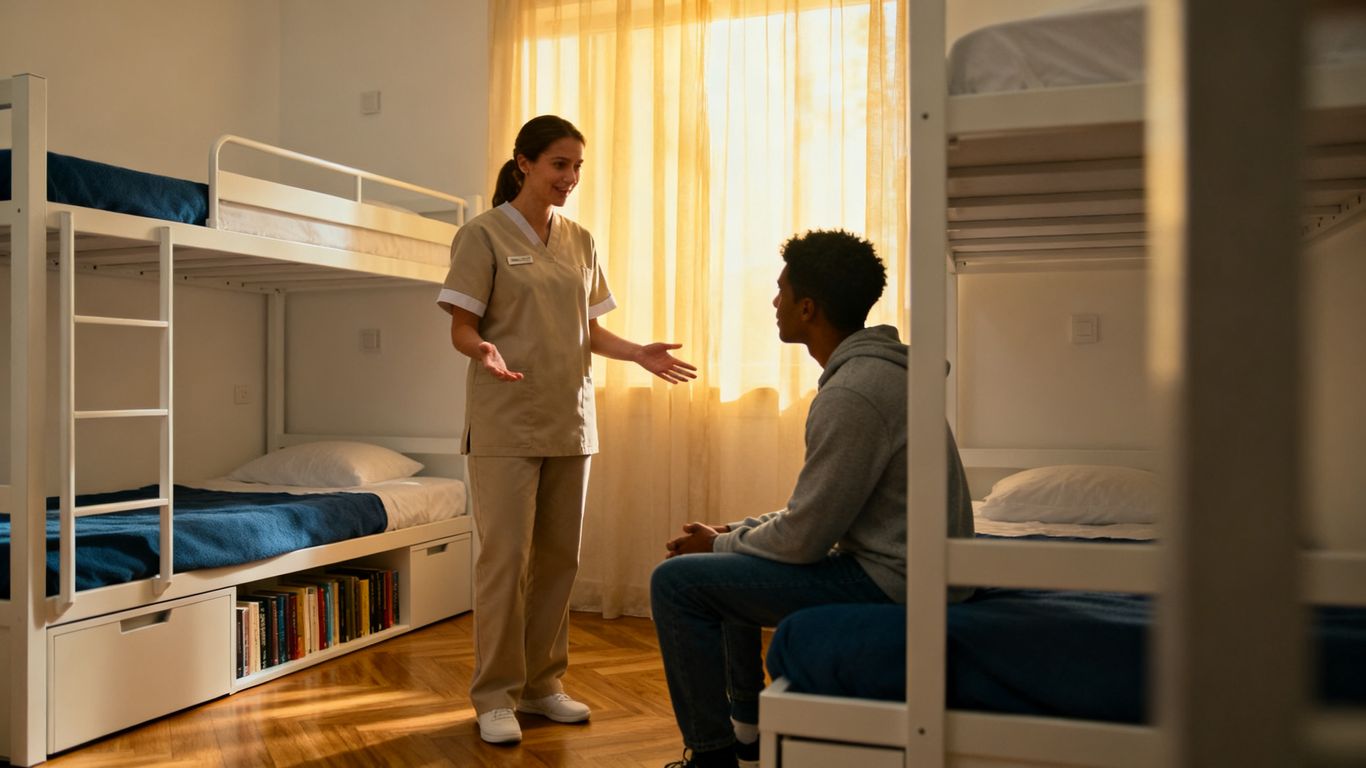
Distinguishing between prompting a resident to take their medication and actively assisting with its administration is crucial for staff clarity. We recognize that these two activities carry different levels of risk and responsibility. By training our staff to identify the nuance, we enhance safety and individual independence simultaneously.
Defining the difference between prompting and assisting
Prompting is a supportive reminder—such as a verbal check-in—to help a resident remember their own medication routine. Assisting, however, involves physical involvement, such as opening packaging or handling tablets, which requires higher-level oversight and strict adherence to specific permissions. We make this distinction clear in our training to ensure staff are always acting within their designated roles.
Assessing resident capacity and identified support needs
Every resident enters the hostel with unique cognitive and physical requirements, which we assess upon arrival. Understanding a resident’s ability to self-manage allows us to tailor the level of support we provide, from simple daily reminders to more structured assistance plans. We revisit these assessments regularly to ensure our support evolves with the resident’s changing needs.
Documenting resident medication incidents and errors
Errors, no matter how small, must be documented immediately in our incident logs to prevent future occurrences. By tracking these events, we can identify training gaps or necessary changes in our medication safety policies. Transparency in reporting is a key part of our culture, ensuring we learn from mistakes rather than concealing them.
Collaborating with external healthcare professionals
We recognize that our hostel support team is just one piece of a larger puzzle. Collaborating with medical experts is essential to provide the continuity of care necessary for those dealing with complex circumstances. We actively work with external providers to ensure that residents receive holistic support that extends beyond the hostel walls.
Coordinating with GPs and outreach health teams
Maintaining strong links with the GP practices that serve our residents is crucial for ensuring prescriptions remain updated. We act as a liaison between the medical team and the resident, facilitating appointments and ensuring that health updates reach the right people. This partnership helps us manage long-term conditions effectively and reduces the risk of missed treatments.
Involving pharmacists in medication reviews
Community pharmacists are vital partners in our medication management strategy as they can offer expert insights. We regularly reach out for guidance on potential drug interactions and approaches to improve medication adherence within our specific, often transient, population needs. Their support helps us simplify complex medication regimens for residents who struggle to maintain consistency in their daily lives.
Managing transition points between hospital, street, and hostel
Transitions are the most dangerous moments for medication management, as information is often lost or delayed. We work closely with hospital discharge teams to ensure that a resident’s medication list is accurate upon their arrival at our hostel. By prioritizing these handovers, we prevent discontinuity in treatments that could lead to immediate health relapses.
Training and competency verification
Investing in our staff through rigorous training is the best way to maintain a safe and supportive hostel environment. We view competency not as a one-time achievement, but as a continuous process that requires regular verification and updates. This ensures that every member of the team is prepared to handle the realities of medication support safely.
Identifying essential staff training requirements
Our training program is designed to cover everything from basic medication safety to the specific legalities of controlled substances. We identify key areas of need, ensuring the team is well-versed in:
- Identifying various forms of common medications and dosages.
- Understanding the specific risks of interaction between different drugs.
- Learning safe, non-punitive methods for encouraging adherence.
- Following internal documentation protocols to ensure audit-ready records.
- Recognizing emergencies and knowing when to escalate concerns to professionals.
Evaluating staff competency in medication management
Once training is complete, we move to assessment to ensure the knowledge is being applied in practice. We use competency checklists and observational shadowing to evaluate whether a staff member can reliably follow our safety protocols. These assessments provide us with the confidence that our team is prepared for the responsibilities inherent in their role.
Maintaining updated training records for auditing purposes
Keeping detailed records of all completed training and assessments is critical for our operational compliance. We treat these training logs as vital documents during internal or external audits of our health and safety practices. These files provide the objective evidence required to demonstrate that our staff are fully prepared for their responsibilities within the hostel.
Conclusion
Managing resident medication in a hostel is a profound responsibility that touches the lives and health of those we support every day. By focusing on clear communication, strong partnerships with external health providers, and a commitment to staff training, we create a secure and respectful environment. Ultimately, our efforts are focused on ensuring that every resident feels safe and empowered as they pursue their own path toward stability and better health.
Frequently Asked Questions
Is it legal for support workers to handle resident medication?
Yes, support workers can assist with medication provided they are acting within clear organizational policies and have received appropriate, documented training to do so safely.
What are the main signs that a resident is struggling with their medication?
Signs typically include frequent missed doses, confusion regarding instructions, requests for early refills, or noticeable changes in behavior that may suggest an issue with their current health regimen.
Should residents be allowed to store medication in their own rooms?
While personal autonomy is important, hostel policy often requires medications to be stored in lockable, central cabinets to ensure safety for the individual and the wider community.
What should be done if a staff member makes a medication error?
Any error must be reported immediately through the formal incident reporting process, documented fully, and reviewed by management to determine how to prevent future occurrences.
How often should medication management policies be reviewed?
Policies should be reviewed annually or whenever there is a significant change in legislation, local health guidelines, or a series of incidents that suggests the existing protocol is failing.
Why is pharmacist involvement so critical in a hostel?
Pharmacists provide essential expertise in understanding complex drug interactions and identifying simpler alternatives that might be easier for residents with high needs to manage effectively.
How do we handle resident refusal to take prescribed medication?
We prioritize open communication to understand the resident’s concerns, while documenting the refusal and informing the relevant healthcare professionals so they can adjust the care plan if necessary.