0207 870 1221

1. Understand what security means in social housing
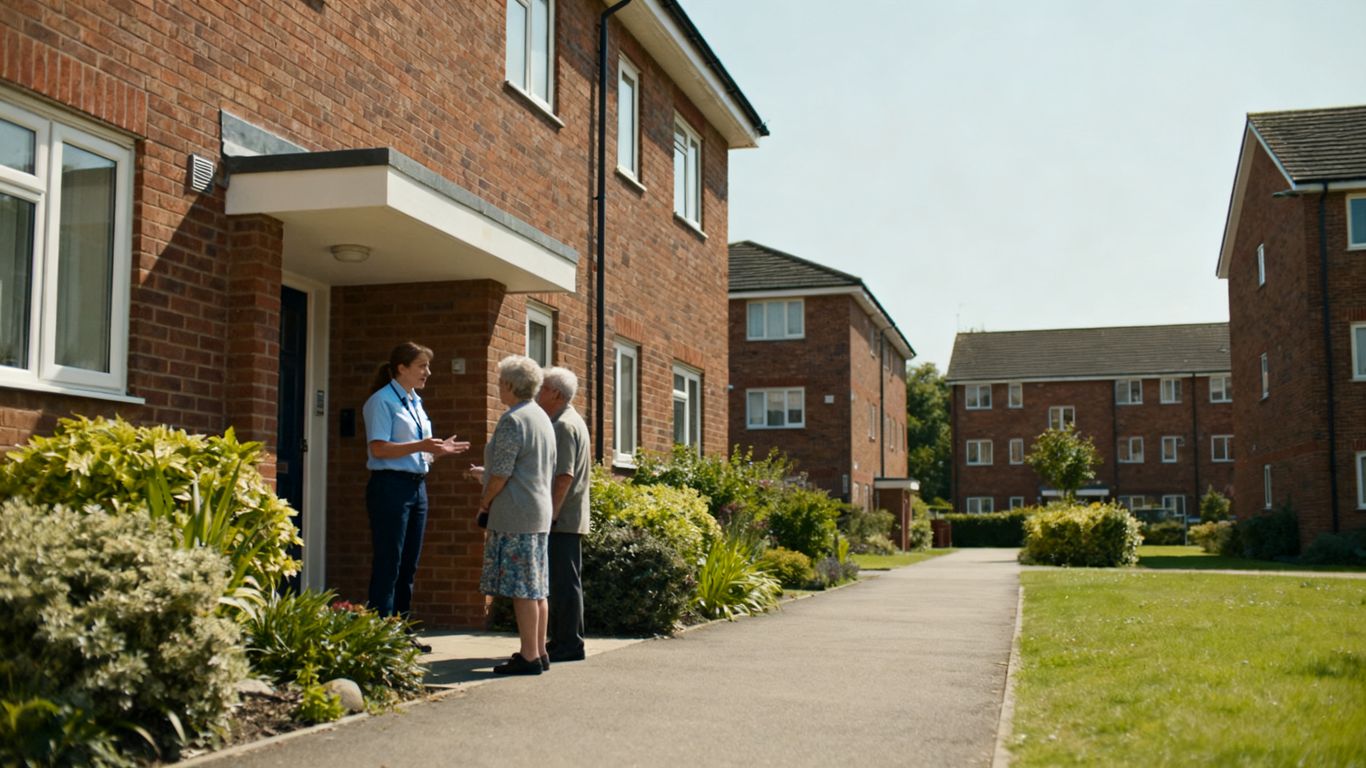
When we talk about social housing security, we mean more than a lock on a front door. It includes residents’ physical safety, the security of their personal information and the confidence to use shared spaces without fear. A good approach connects these concerns rather than treating them as separate jobs.
Physical security, personal safety and information security
A secure home is one where people can enter and leave safely, get help when something goes wrong and trust that their personal details are handled carefully. Physical measures such as working locks matter, but so do clear reporting routes and staff who know how to respond to concerns. We should consider safety in everyday interactions as well as the protection of buildings and systems.
The council’s responsibilities as landlord and service provider
Councils often act both as landlords and as providers of housing-related services, so security touches several parts of their work. Repairs teams may spot a faulty communal door, while housing staff may hear about harassment or repeated access problems. We can help those observations lead to action by making responsibilities clear and ensuring concerns reach the right team. The work of housing advice teams, for example, shows how important clear communication and support can be when people raise housing difficulties.
How housing standards and data protection requirements apply
Security decisions should sit alongside the standards and legal duties that already shape housing management. Depending on the issue, that may mean considering property condition, fire safety, privacy and data protection, as well as duties to make reasonable adjustments. We should check current requirements before changing a system or policy, and seek specialist advice where the implications are not straightforward. Keeping a record of the decision and its purpose makes later review more useful.
Balancing security measures with residents’ rights
A measure can reduce one risk while creating another, particularly if it limits access or collects more information than necessary. We should be able to explain what a measure is for, who it affects and how residents can raise concerns about it. A broader discussion of resident-centred security practice offers a useful reminder that a sense of safety depends partly on whether people feel respected and able to speak up. Proportionate, clearly explained measures are more likely to earn trust than changes made without discussion.
2. Assess risks across homes and estates
Risk assessments help us choose practical improvements instead of relying on assumptions about a building or neighbourhood. They should cover residents’ homes, shared areas, staff processes and the services people depend on. We can then prioritise action according to the likelihood and potential impact of harm, while recording what remains uncertain.
Identify vulnerabilities in buildings, shared spaces and services
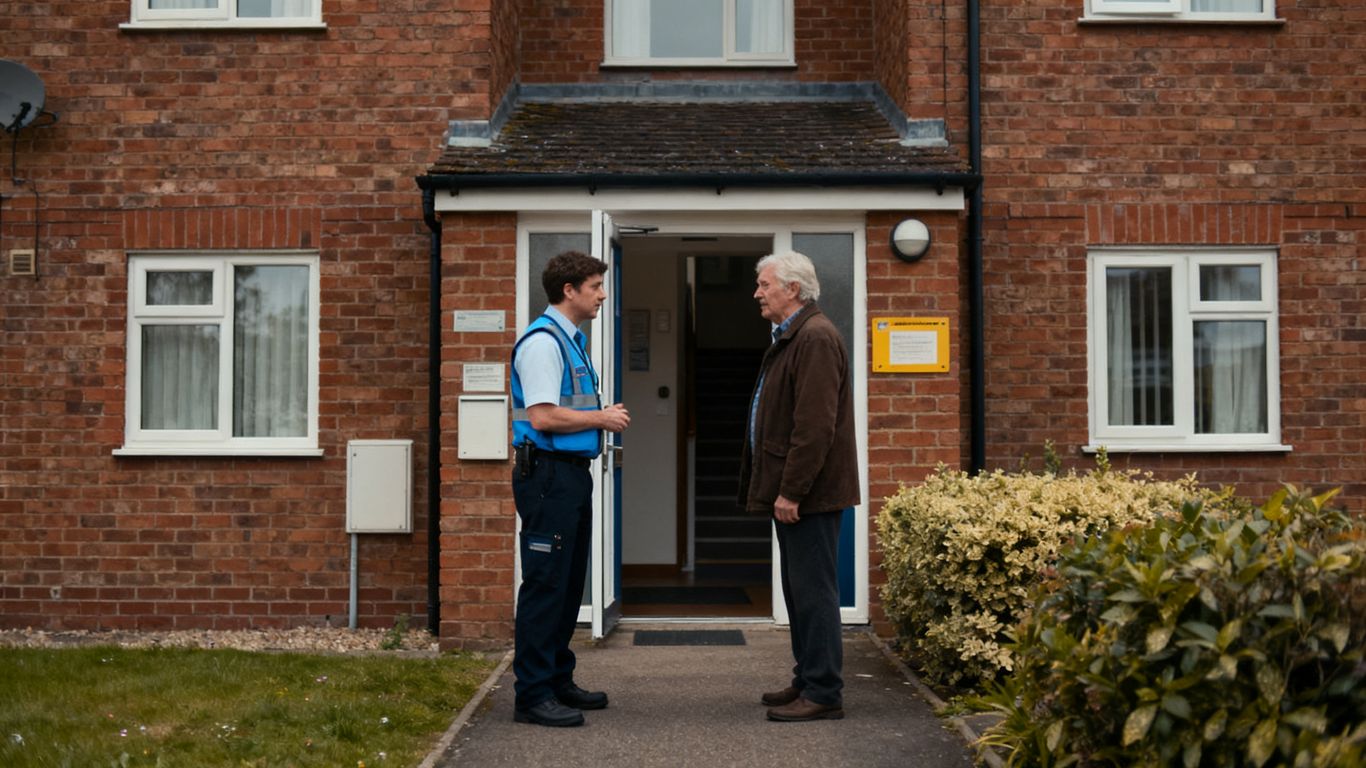
A useful assessment looks at how a person might actually move through a property, rather than checking doors in isolation. We can examine entrances, stairwells, lighting, boundaries, access arrangements and the way repairs or visitor processes work. It is also worth asking whether a failure in one service, such as an entry system, could leave residents unable to get in or staff unable to respond. This joined-up view helps us see weaknesses that a routine inspection might miss.
Consider location-specific risks and patterns of incidents
The same design can present different risks in different places, and patterns may change over time. We should review reports of damage, unauthorised access, harassment or repeated faults alongside what residents and staff are seeing on the ground. Numbers alone do not explain why an incident happened, so we need context before deciding that a particular intervention is warranted. That makes it easier to distinguish a persistent problem from an isolated event.
Include residents and frontline staff in risk assessments
Residents and frontline workers often notice small changes before they appear in formal records. We can invite their views through conversations, accessible surveys or regular estate meetings, while being clear about how their feedback will be used. A simple set of prompts can help people describe practical concerns without needing technical language:
-
Where do you feel least safe, and at what times?
-
Are there doors, lights or shared facilities that often fail?
-
Is there a concern you have reported more than once?
-
What change would make the biggest practical difference?
We should feed back what we heard and explain what can be changed, what needs more investigation and why. That closes the loop and helps residents see that participation is more than a formality.
Review risks when properties, technology or local conditions change
An assessment is a snapshot, not a permanent guarantee. We should revisit it after building work, changes to access technology, a shift in local conditions or a notable incident. Even a seemingly small change, such as a new door-control process, can affect someone who relies on a particular route or adjustment. A scheduled review, paired with clear triggers for an earlier check, helps keep decisions grounded in current conditions.
3. Secure buildings and communal areas
Residents should be able to use shared entrances and facilities without encountering avoidable hazards or barriers. We can start with basic upkeep, then consider whether the layout and management of communal areas support safe access. The aim is to reduce foreseeable risks while keeping the estate practical and welcoming.
Maintain doors, locks, entry systems and boundary features
A secure entry is only useful if it works reliably and residents understand how to use it. We should arrange prompt repairs for faulty locks, closers and entry systems, and check that boundary features are maintained without obstructing access. Contractors need enough information to complete work safely, while staff should know how residents can report recurring failures. After repairs, a practical check with people who use the entrance can reveal issues that a work order alone will not show.
Improve lighting and visibility without creating new hazards
Good lighting can make routes easier to navigate and help people recognise hazards, but poorly placed fittings may cause glare, dark patches or trip risks. We should look at paths, entrances, cycle stores and bin areas at the times people use them, not only during a daytime visit. Residents’ feedback can help us identify places that feel uncomfortable or are difficult to see. Any change should also account for energy use, maintenance and access needs.
Use CCTV proportionately, with clear purposes and retention rules
CCTV should answer a defined need, not be installed simply because a camera seems reassuring. Before introducing or changing a system, we should consider the purpose, the areas covered, who can view footage and how long it is kept, following applicable privacy and data protection requirements. We should also communicate the arrangement in an accessible way and provide a route for questions. Clear limits help keep the measure proportionate and make it easier to review whether it is still justified.
Keep fire safety and emergency access central to security decisions
Security improvements must not make it harder to leave a building or for emergency responders to reach it. We should check that doors, gates and access controls work with the building’s fire arrangements and do not create new obstructions. If a proposed change affects escape routes or emergency entry, relevant specialists should be involved before it goes ahead. Good coordination protects residents without trading one kind of safety for another.
4. Protect resident information and connected systems
Homes and estates increasingly rely on digital records and connected equipment, so security planning needs to include information as well as physical assets. We should understand what information is held, which systems use it and who is responsible for maintaining access controls. A clear view of those arrangements can prevent avoidable exposure and make it easier to respond when something goes wrong.
Limit access to tenant records and sensitive personal data
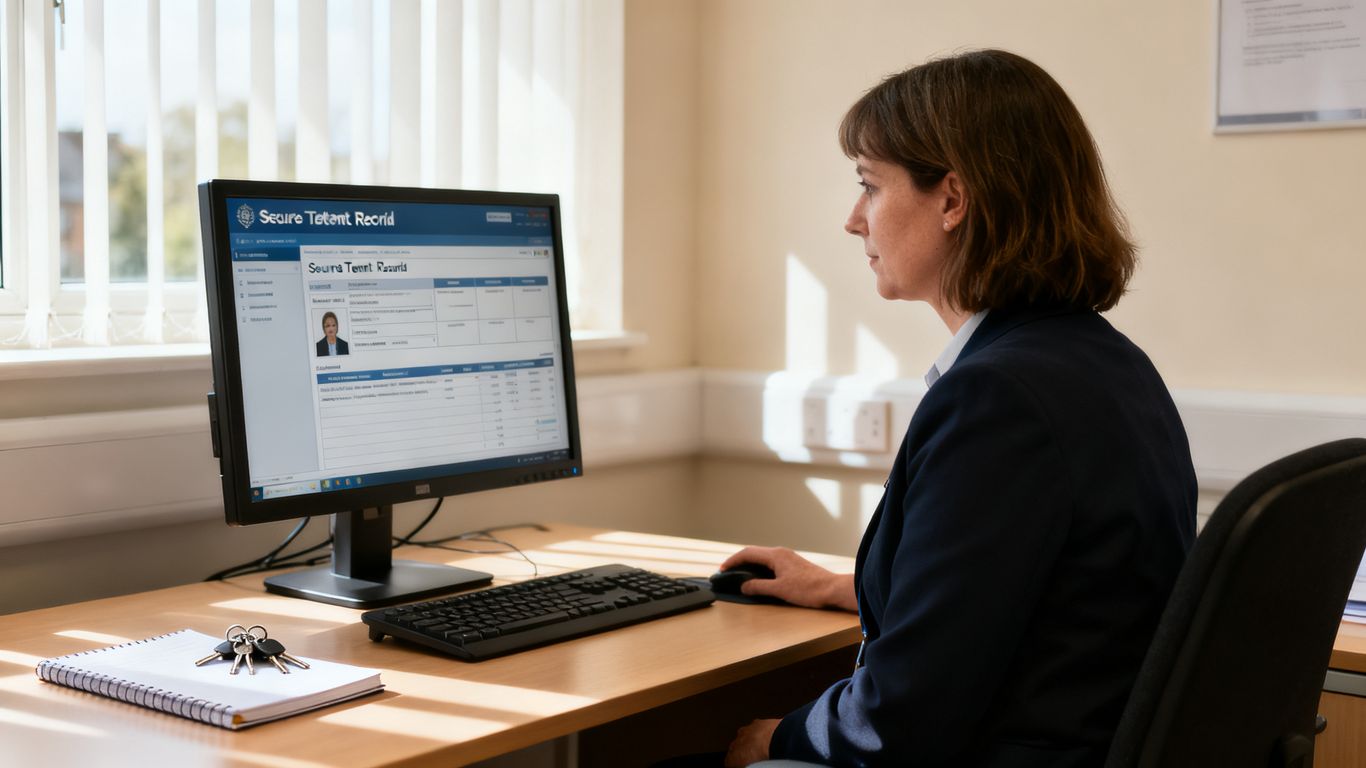
Staff should have access to the information they need for their role, rather than unrestricted access by default. We can review permissions when responsibilities change and make sure sensitive records are handled through approved systems. Training should explain how to share information appropriately and what to do if a record is sent to the wrong person. These everyday controls help protect residents while allowing staff to deliver services.
Set clear controls for contractors and third-party providers
A contractor may need limited access to a system or resident information to complete a particular task. We should define that access in advance, set expectations for confidentiality and security, and agree how information is returned or removed when the work ends. It is also sensible to know who to contact if a supplier reports a problem. Clear arrangements reduce uncertainty for both the council and the provider.
Secure smart devices, alarms and digital access systems
Connected devices should be included in asset and maintenance records, with a named team responsible for updates, access settings and fault reporting. We should understand how a device is managed and what happens if connectivity or power fails. Residents need practical information too, especially where a system affects access to their home or their ability to call for help. Testing the fallback process is as important as installing the equipment.
Manage CCTV footage in line with privacy and data protection requirements
Footage should be treated as personal information where it identifies people, and handled through a controlled process. We should document who may access it, the reasons for review, the retention period and how requests or disclosures are considered. Staff need to know not to copy or share recordings informally. Regular checks can confirm that the system’s settings and everyday practice still match its stated purpose.
5. Make security measures inclusive and resident-centred
Measures that work for one resident may create difficulty for another. We should involve residents early enough to understand how a proposed change might affect daily routines, communication or access to a home. Inclusion is not an extra stage at the end; it is part of deciding whether a measure is suitable in the first place.
Provide reasonable adjustments for residents with access needs
Access arrangements should account for residents who use mobility aids, have sensory impairments or need a different way to receive information. We can ask what would help rather than assuming that one standard solution will suit everyone. Where a change affects a door, buzzer or route, we should check that it remains usable and offer an accessible way to report faults. The right adjustment may be small, but it can determine whether a resident can use their home independently.
Consider risks facing children, older people and people at risk of harm
Some residents may face particular risks because of their circumstances, but we should avoid treating any group as a problem to manage. Instead, we can consider the support, privacy and safe access that different people may need. Staff should know how to raise a safeguarding concern through the council’s established process, and how to respond sensitively when someone discloses harm. This helps connect security planning with appropriate support rather than relying on building measures alone.
Communicate changes clearly and offer accessible ways to raise concerns
Residents need to know what is changing, when it will happen and who can answer questions. We should use clear language and provide suitable formats or interpretation where needed, rather than relying on a notice in one location. Offering several ways to report a concern can help people who cannot use a phone or online form. When we explain what happened after feedback was received, we make it easier for residents to keep taking part.
Avoid measures that unnecessarily restrict access or undermine trust
A security measure can become intrusive if it limits visitors, movement or privacy without a clear reason. We should test whether a less restrictive option could address the same risk and consider how the change will feel to the people living with it. Residents are more likely to cooperate when they understand the purpose and can question how a measure works. We should be prepared to amend an approach when experience shows that it is causing unnecessary difficulty.
6. Prepare for incidents and safeguarding concerns
Preparation gives residents and staff a clearer path through stressful situations. We should distinguish urgent danger from concerns that need a prompt but planned response, and make sure people know where to report each one. A process is only useful if it is easy to find, understood by frontline teams and reviewed after use.
Create clear routes for reporting security incidents
Residents should be able to report a broken entrance, suspicious activity or a personal safety concern without having to guess which team is responsible. We can make reporting routes visible in welcome information, communal areas and relevant service communications. Staff who receive a report should know how to capture the key details and pass it on. Prompt acknowledgement also helps residents understand that the concern has reached someone who can act.
Set escalation processes for immediate danger and safeguarding risks
Immediate danger needs a different response from a non-urgent repair or general concern. We should explain when residents should contact emergency services and set out how staff escalate safeguarding matters through established local procedures. A short decision guide can help frontline teams distinguish urgent action from routine follow-up:
-
Establish whether anyone is in immediate danger.
-
Contact emergency services where the situation requires it.
-
Refer safeguarding concerns through the agreed route.
-
Notify the responsible housing or safety lead.
Teams should practise how the steps apply to real situations, not simply file the guidance away. That helps staff act promptly while respecting the limits of their role.
Coordinate responses with emergency services and relevant partners
Some incidents require a coordinated response involving emergency services, safeguarding teams or other local partners. We should know who to contact, what information can be shared and which team remains responsible for resident communication. Partners may have different roles, so agreeing responsibilities in advance can prevent gaps or duplicated work. After an incident, a short review can identify whether coordination worked as intended.
Record incidents consistently and preserve evidence where appropriate
Records should be factual, timely and stored through approved systems. We can capture what was reported, when it happened, what action was taken and who needs to follow up, while avoiding speculation or unnecessary personal detail. Where evidence may be relevant, staff should follow the appropriate preservation process and seek advice rather than handling material informally. Consistent records support better decisions and make patterns easier to identify.
7. Embed security in procurement and ongoing management
Security is easier to sustain when it is built into ordinary management rather than treated as a one-off project. Procurement, staff training, maintenance and resident feedback all influence whether a measure continues to work. We should make ownership explicit, with a clear route for review when circumstances change.
Specify security, privacy and accessibility requirements in contracts
Contract documents should explain the outcomes and operating requirements expected of a supplier, including relevant privacy, access and maintenance arrangements. We should be clear about who can access systems or information, how faults are reported and what happens when a contract ends. These requirements need to be checked against the actual service being procured rather than copied into every specification unchanged. A well-defined handover also helps the council retain oversight after installation.
Train housing, repairs and customer-facing teams
People who deal with residents need practical guidance on spotting and reporting security concerns. Training can cover how to receive a disclosure, protect personal information, route repairs and escalate urgent risks. We should make it possible for staff to ask questions when a situation falls outside the examples in the guidance. Refresher sessions are useful when procedures, equipment or responsibilities change.
Monitor performance through inspections, incident trends and resident feedback
Regular inspections can reveal physical faults, while incident records and resident feedback may show where the same problem keeps returning. We should bring these sources together rather than treating each as a separate measure of performance. A simple review can ask whether repairs are timely, reports are reaching the right team and residents understand the arrangements. We can then focus resources on the issues that create the greatest practical concern.
Use lessons learned to update policies, systems and response plans
An incident review should lead to a proportionate change where the evidence supports one. That might mean clarifying a reporting route, adjusting a maintenance schedule or revisiting an access process. We should record what changed and tell affected residents and staff, so the learning does not remain with one team. Periodic review keeps policy connected to the way homes and services actually operate.
Conclusion
Good social housing security is built through steady, practical work: understanding local risks, maintaining homes and systems, protecting information and listening to residents. When councils make responsibilities clear and review their decisions as circumstances change, they can improve safety without losing sight of privacy, access or trust.
Frequently Asked Questions
What does social housing security include?
It includes physical safety in homes and shared areas, protection of residents’ personal information, and clear ways to report concerns and receive support.
Who should residents contact about a security concern?
Residents should use the reporting route provided by their landlord or council. If someone is in immediate danger, they should contact emergency services.
How often should a housing security risk assessment be reviewed?
It should be reviewed at planned intervals and sooner after significant incidents, building work, changes to technology or shifts in local conditions.
Should social housing buildings use CCTV?
CCTV may be considered where there is a defined need, but councils should assess whether it is proportionate, explain its purpose and manage footage appropriately.
How can councils make security measures accessible?
They can ask residents what adjustments they need, check that changes remain usable and provide accessible ways to receive information and raise concerns.
What should staff do when a resident reports an immediate threat?
Staff should follow the council’s emergency and safeguarding procedures, contact emergency services when needed and record the matter through approved channels.
How can residents help improve security on an estate?
Residents can report faults and concerns, share how shared spaces are used and take part in consultations or estate discussions where these are available.