0207 870 1221

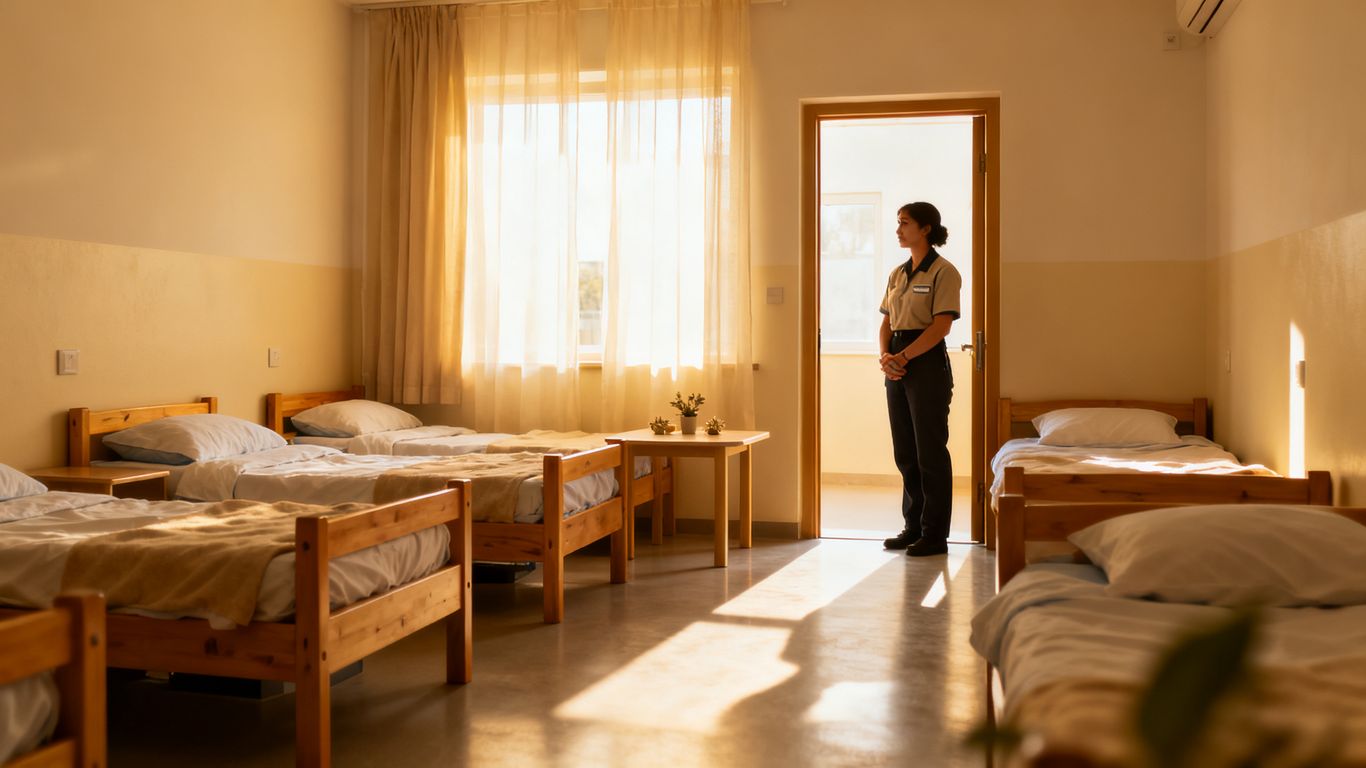
Understanding sleep patterns in a trauma-informed hostel setting
Recognising the typical sleep patterns of residents is essential in a trauma-informed hostel environment. It allows staff to distinguish between normal fatigue and potential safeguarding concerns. By maintaining a baseline, we can notice subtle deviations that might signal a resident is struggling with their mental health or physical wellbeing.
Recognising individual trauma responses
Many residents carry the weight of past trauma, often manifesting as fragmented sleep or hypervigilance. Understanding this allows hostel staff to approach periods of heavy daytime sleep with compassion rather than immediate concern. It is vital to maintain professional boundaries, offering comfort while respecting the resident’s need for a private, safe space.
Practical hostel management: Safeguarding and multi-agency working
When sleep patterns shift, it often points to external pressures or health issues. Using professional curiosity, staff should look beyond the surface. Safeguarding requires us to work alongside GPs, mental health outreach teams, and local housing support services to ensure a holistic view of the resident’s needs.
Identifying factors contributing to shifts in sleep routines
Hostel welfare checks must balance our duty of care with the resident’s right to privacy and dignity. These checks are critical for identifying potential substance-related issues or health crises without being overly intrusive.
Developing effective protocols for sleeping during hostel welfare checks
Effective observation is non-intrusive. Staff should use visual checks from doorways where possible. When contact is necessary, follow a standardised procedure:
-
Knock firmly and announce your presence clearly from the doorway.
Managing substance use concerns
If a resident is suspected of being under the influence, staff must prioritise immediate safety. Look for indicators such as shallow breathing or physical evidence of substances. In line with hostel welfare checks keep detailed, factual records and communicate clearly during shift handovers to ensure continuity of care.
Escalation and cross-agency collaboration
Clear communication is the bedrock of safety. When internal observations indicate a decline, it is time to engage external partners. Whether dealing with suspected homelessness services or mental health teams, facts must be documented accurately to inform clinical decisions.
Key Takeaway for Hostel Managers
-
Ensure night-shift teams are trained in non-intrusive observation techniques to maintain resident dignity.
Conclusion
Supporting residents in a trauma-informed hostel requires a delicate balance of observation, empathy, and strict adherence to safeguarding protocols. By standardising how we respond to sleep changes and working effectively with our partners, we create a safer environment for those we support.
Frequently Asked Questions
How do I document concerns without violating privacy?
Focus on objective, observable facts. Instead of writing ‘the resident is depressed,’ write ‘the resident has remained in their room for 48 hours and has not engaged with support staff during welfare checks.’
What is the role of the night shift in safeguarding?
The night shift is often the first to notice changes in a resident’s baseline. Effective handover notes are vital for team coordination and preventing gaps in support.
Should I wake a resident during a check?
Only if you have clear, evidence-based concerns for their immediate safety, such as non-responsiveness or symptoms of a medical emergency.
How can we improve room security?
Create a psychologically informed environment by addressing noise levels and ensuring room safety, which reduces the need for residents to withdraw into isolation.