0207 870 1221

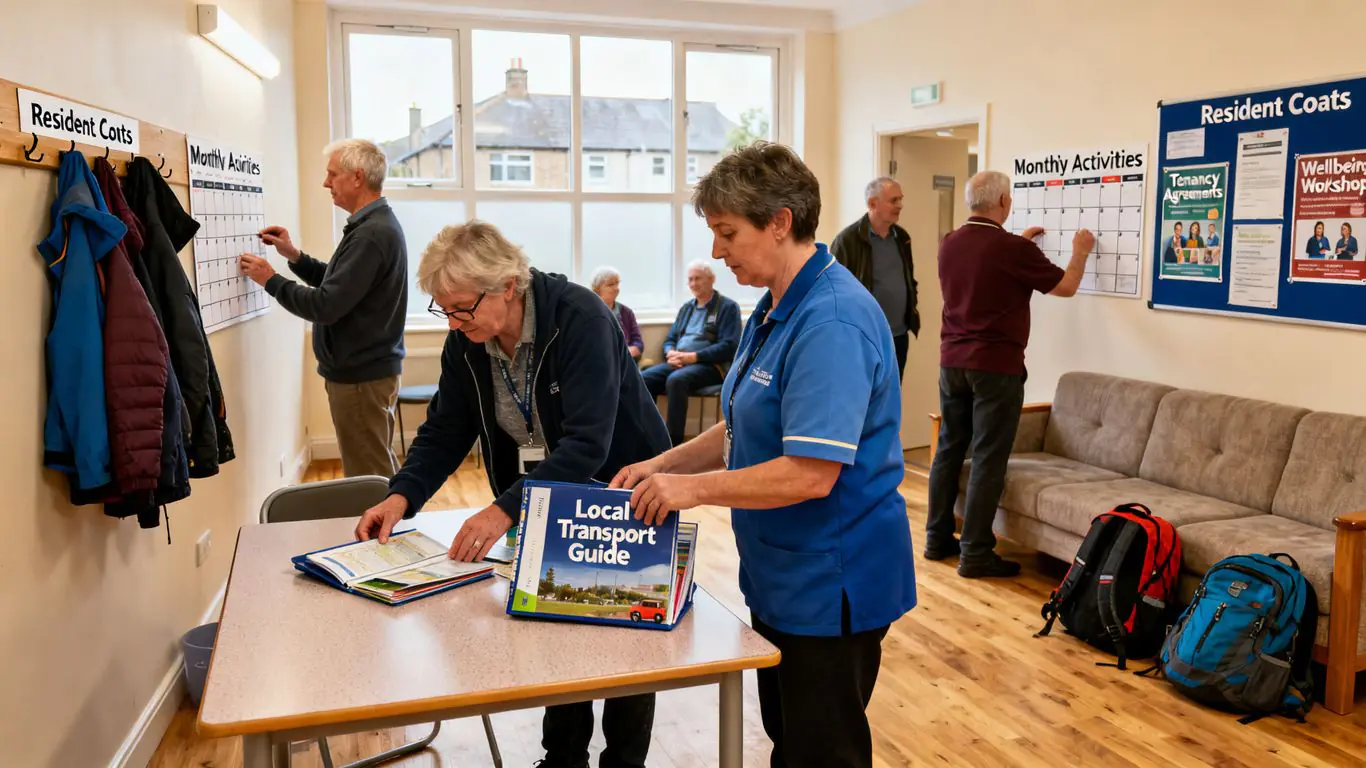
Why missed appointments matter for hostel residents
For residents in hostel accommodation, an appointment can be connected to far more than one conversation with a professional. It may affect health, housing, benefits, legal responsibilities or access to ongoing support. When we understand the wider consequences, supporting residents with appointments becomes part of practical, respectful keywork rather than a simple diary task. We can then respond to missed visits with curiosity instead of blame.
The impact on health, housing and benefits
A missed GP, mental health, substance-use or social care appointment may interrupt treatment and leave a concern unresolved. Housing reviews and benefits appointments can also carry deadlines, evidence requirements or decisions that affect stability. We should avoid assuming that one absence will automatically cause a serious outcome, but we should help the resident check what happens next and whether another appointment is needed. A calm response can prevent a manageable problem becoming a crisis.
How missed visits can delay essential support
Services often need time to assess a person, arrange a referral or agree a care plan. If a resident is not present, that process may pause while the service attempts to make contact or closes the referral under its own procedures. We can support the resident to contact the service promptly, explain what happened in plain language and ask about the next available step. We should not promise an outcome that only the service can decide.
Why repeated non-attendance may signal unmet needs
A pattern of missed appointments can tell us something about anxiety, poor health, substance use, exploitation, cognitive difficulty or a lack of trust. It can also reflect a service that is difficult to reach or unsuitable for the resident’s circumstances. We should look for changes in behaviour and wider risks, not just count absences. This safeguarding approach to missed keywork can help us distinguish ordinary non-engagement from signs that someone may be unsafe.
The difference between disengagement and practical barriers
Some residents may choose not to attend, while others want help but cannot manage the journey, paperwork or uncertainty. The difference is not always visible, and both situations deserve a respectful conversation. We can ask what would make attendance easier, whether the appointment remains wanted and what choice the resident wishes to make. The barrier is not the person; it is information that can guide better support.
Identify the reasons appointments are missed
Before changing a reminder system, we need to understand what is getting in the way. Residents may face several barriers at once, and the reason can vary from one appointment to the next. We can ask open questions, listen without judgement and check whether the appointment details themselves are clear. A short, resident-led conversation often reveals a practical solution.
Transport, mobility and access challenges
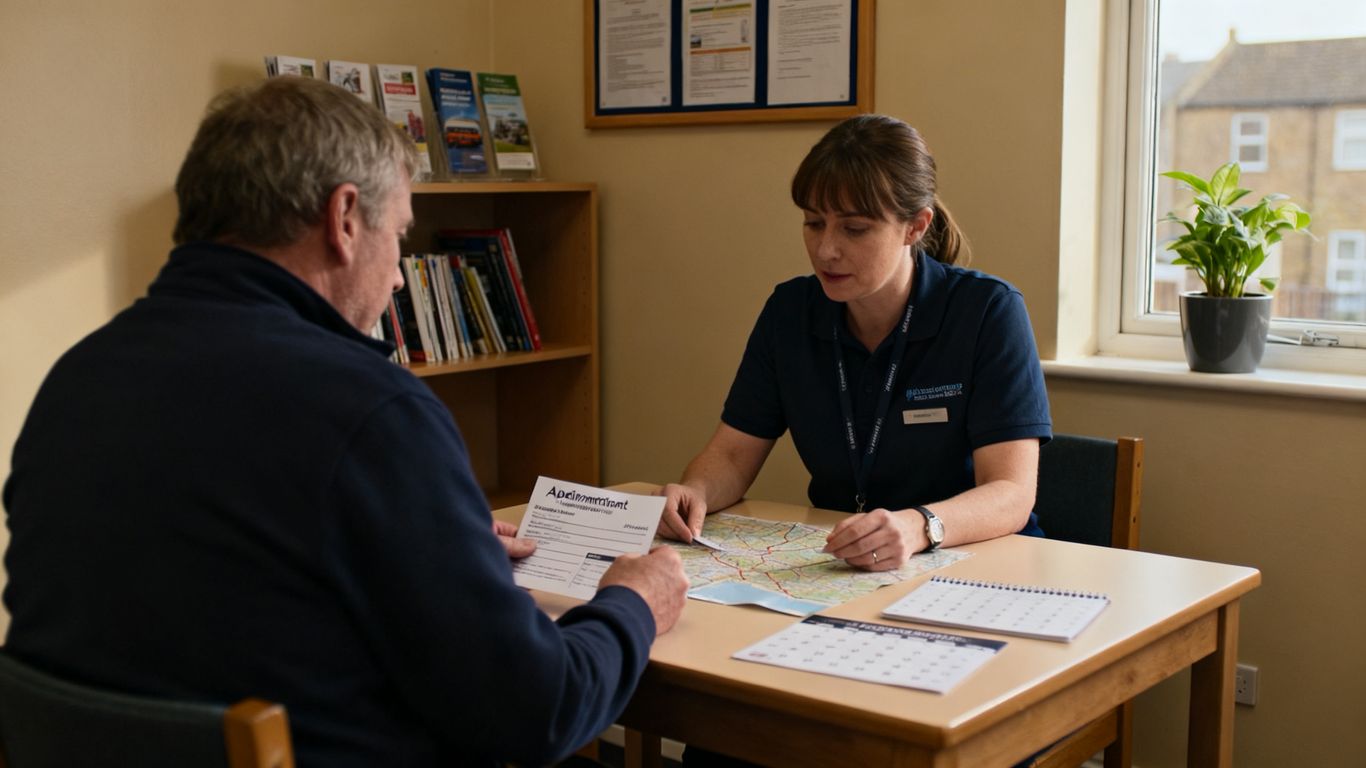
A location may be difficult to reach by public transport, particularly when services require several connections or an early arrival. Mobility limitations, pain, fatigue, weather and inaccessible buildings can make an apparently short journey unrealistic. We can check routes, costs, step-free access, waiting arrangements and whether an escort or travel support is available. Where transport is uncertain, contacting the service in advance may identify reasonable adjustments or alternatives.
Memory, anxiety and communication needs
Remembering an appointment is harder when someone is unwell, distressed, sleep-deprived or managing medication and withdrawal. Anxiety may make phone calls, waiting rooms or unfamiliar professionals feel overwhelming. We can agree whether the resident prefers a written reminder, a conversation, a text where permitted, or help making a call. We should also check communication needs, including interpretation, hearing support or extra time.
Conflicting priorities and unstable routines
Residents may be dealing with court requirements, benefit claims, work, childcare, substance-use recovery or urgent housing concerns at the same time. Hostel routines can change quickly, particularly after an incident, move or deterioration in health. We can map the appointment against other commitments and discuss which support is most urgent. The aim is not to control the resident’s diary, but to make competing demands visible and manageable.
Digital exclusion, paperwork and unfamiliar systems
Online portals, passwords, forms and automated messages can create barriers even when a resident has access to a phone. Lost identity documents, limited data and uncertainty about what evidence is required may prevent someone from completing a referral or attending confidently. We can help the resident identify the exact document or task involved without making assumptions about why it is missing. Our guide to support when identity documents are missing is relevant where paperwork affects access to accommodation or services.
Create a consistent approach to supporting residents with appointments
Consistency helps residents know what to expect and helps staff avoid relying on memory or informal promises. A simple process should still leave room for individual choice, changing circumstances and professional judgement. We need clear recording, agreed responsibilities and reminders that are proportionate to the resident’s wishes. Good systems support relationships; they do not replace them.
Record appointment details safely and accurately
Record the date, time, location, service, contact details and any agreed support in the appropriate system. We should distinguish confirmed information from assumptions and note who is responsible for the next action. Access should be limited to staff who need the information, with entries written objectively and respectfully. Accurate records reduce confusion at handover and make it easier to spot a missed follow-up.
Agree the right level of support with each resident
One resident may want only a reminder, while another may need help planning transport, preparing questions or attending the building. We should ask what support is wanted, what is not wanted and whether that preference changes for different services. Agreeing this in advance protects autonomy and prevents well-meaning staff from taking over. It also gives us a clear basis for reviewing whether the arrangement worked.
Use reminders that reflect individual preferences
A reminder is most useful when it fits the resident’s routine and communication style. We can agree how much notice is helpful, whether reminders should be private and whether a particular staff member should provide them. We might also use a visible calendar, a personal notebook or a brief check-in, provided this is safe and acceptable. Too many reminders can feel intrusive, so we should review rather than automatically increase them.
Coordinate responsibilities across the hostel team
A resident should not have to repeat the same information to several workers or discover that everyone thought someone else was helping. At handover, we can share the appointment, agreed action, time sensitivity and any relevant risk in line with confidentiality requirements. A structured staff handover process can separate urgent actions from routine information. The person taking responsibility should confirm completion, not merely assume the task was passed on.
Help residents prepare before the appointment
Preparation can reduce uncertainty without turning the resident into a passive recipient of care. We can offer practical help while keeping the resident involved in decisions about what to share and what questions to ask. Preparation should be proportionate: some appointments need only a route check, while others involve documents or several professionals. We should leave enough time for the resident to change their mind or ask for a different arrangement.
Check time, location, transport and accessibility
We can confirm whether the appointment is in person, by telephone or online, and check the expected arrival time rather than relying on a vague time window. It helps to plan the route, fare, mobility needs, waiting arrangements and what to do if the resident cannot find the entrance. Where possible, we should check accessibility directly with the service. A practical plan should include a realistic departure time, not just the appointment time.
Explain what to expect without giving clinical advice
We can explain who the resident is likely to meet, how long the visit may take and what the first steps might be. We should avoid interpreting symptoms, predicting a diagnosis or advising someone to start, stop or change treatment. If the resident asks a clinical question, we can help them write it down and encourage them to raise it with the relevant professional. Clear boundaries protect both the resident and the staff relationship.
Gather documents, questions and relevant information
The resident may want help collecting an appointment letter, identification, medication information, contact details or benefit paperwork. We can offer a short list of questions and make space for the resident to add their own concerns. A free appointments booklet for care notes illustrates how written details, questions and next steps can be kept together, although each resident should choose a method that suits them. We should share only information the resident agrees to share, unless a lawful safeguarding process requires otherwise.
Plan for cancellations, changes and late arrival
Services may cancel, change location or run late, and residents may wake unwell or miss transport. Before the day, we can identify the service’s contact route and agree who will make contact if help is needed. We should explain that arriving late does not always mean the appointment is lost, but only the service can confirm what is possible. Having a fallback plan reduces panic and makes rebooking more likely.
Provide practical support on the day
On the day itself, small details can determine whether a resident feels able to attend. We can offer practical assistance without creating dependence or speaking over the person. Staff should remain alert to consent, privacy and changing risk, particularly when a resident is distressed or unwell. The purpose is to help the resident access the service, not to become the service.

Offer transport guidance and accompaniment options
We can talk through public transport, walking routes, taxis, community transport or an agreed staff accompaniment. If accompaniment is requested, we should clarify where staff will wait, what information they may hear and whether the resident wants them in the appointment room. We should not assume that driving someone is possible or within the staff role. A clear boundary at the start avoids awkwardness later.
Support communication while preserving the resident’s voice
A staff member can help the resident remember questions, ask for clarification or note agreed actions. We should encourage the professional to address the resident directly and let the resident speak in their own words. If communication is difficult, we can ask whether an interpreter, advocate or reasonable adjustment is available. Notes should reflect what was agreed, rather than becoming a staff interpretation of the resident’s experience.
Respond appropriately when a resident refuses help
A refusal may be a clear and informed choice, or it may reflect fear, confusion or a previous harmful experience. We can acknowledge the decision, check whether the resident wants any smaller form of help and explain any known practical consequences without pressure. If there is immediate risk, we should follow safeguarding and emergency procedures rather than attempting to persuade through repeated offers. Respectful support remains available after a refusal.
Manage unexpected changes or missed appointments
If an appointment is missed, we can help the resident contact the service as soon as they are ready and record the agreed next step. We should avoid reprimands, speculation or language that labels the resident as unreliable. Where a pattern suggests risk, the concern should be discussed through the appropriate safeguarding route. The immediate task is to restore communication and understand what the resident needs now.
Follow up after appointments
An appointment is not complete simply because the resident reached the building. There may be referrals, tests, forms, medication reviews or further dates to arrange. We can check what the resident understood and whether they want help with the next step. Follow-up should be timely but not intrusive, especially where the resident has asked for privacy.
Confirm whether further action is needed
We can ask the resident whether another appointment, referral or document is required and who is expected to arrange it. If the resident is unsure, we can support them to contact the service rather than guessing. We should record deadlines and responsibilities accurately. A quick check soon afterwards may prevent a new action from disappearing among other pressures.
Help residents understand next steps and deadlines
Professionals may use unfamiliar terms or provide several instructions at once. We can invite the resident to explain the plan in their own words and help turn it into manageable tasks. We must not translate clinical information into advice beyond our role, but we can support the resident to ask the professional for clarification. Written dates, names and contact routes are often more useful than a long account of the visit.
Update support plans with the resident’s consent
A support plan should reflect what the resident wants to work on, what assistance has been agreed and any changes that matter to ongoing support. We can review the wording with the resident and avoid recording unnecessary clinical detail. Consent should be meaningful and revisited when circumstances change. If information must be shared without consent because of a serious safeguarding concern, we should follow policy and explain the process where it is safe to do so.
Escalate urgent concerns through appropriate channels
We should act promptly if the resident reports an immediate health or safety concern, appears seriously unwell or faces a significant risk because support has broken down. Staff should follow local emergency, safeguarding and managerial procedures, using professional services for clinical decisions. We should record actions and times clearly. Escalation is not a punishment; it is a way to bring the right level of help into the situation.
Make appointment support person-centred and safe
Good appointment support balances encouragement with the resident’s rights. Hostel staff may be well placed to notice barriers, but we are not the resident’s clinician, advocate or decision-maker by default. We should work transparently, explain what we are doing and make room for disagreement. Safety includes emotional safety, confidentiality and freedom from coercion.
Respect autonomy, choice and informed consent
Residents should be able to decide whether to attend, what support to accept and what information to share, subject to relevant legal and safeguarding duties. We can offer options and explain likely practical consequences without using accommodation or support as leverage. Consent should be specific enough for the resident to understand what will happen. A person-centred approach may mean accepting a choice we would not make ourselves.
Protect confidentiality and handle information lawfully
Appointment details should not be discussed where other residents can overhear, displayed publicly or shared casually in group messages. We should use approved systems, follow organisational policy and consider whether the information is necessary for the task. Staff need to know enough to provide safe support, not everything about a person’s health. If unsure, we should seek advice from a manager or data-protection lead.
Recognise safeguarding and capacity concerns
A missed appointment may sit alongside coercion, exploitation, self-neglect, serious mental ill health or unexplained absence. We can record observable facts, listen to the resident and follow local safeguarding procedures rather than trying to investigate beyond our role. Capacity can be decision-specific and should not be assumed absent because someone makes a risky choice. Urgent concerns require prompt advice through the appropriate professional channel.
Set boundaries around staff roles and professional advice
We can organise, remind, accompany, listen and help with practical communication. We should not diagnose, interpret test results, manage treatment outside our competence or guarantee that a service will act in a particular way. Clear boundaries make support safer and help residents know which questions belong with a clinician, benefits adviser, housing officer or advocate. We can remain alongside the resident while the appropriate professional leads on specialist advice.
Review what works and strengthen local partnerships
Appointment support improves when teams treat experience as useful learning rather than a compliance exercise. We can review patterns while protecting residents from being reduced to numbers. Local services may also be able to adjust communication, access or referral arrangements when we share concerns appropriately. Regular reflection helps us keep the process practical, fair and responsive.
Track patterns without reducing residents to statistics
Recording missed appointments can reveal repeated transport problems, unsuitable times, gaps between shifts or particular service barriers. Data should be proportionate, secure and interpreted alongside the resident’s account. We should look for patterns across systems, not use attendance alone as a measure of motivation or worth. A missed visit is an event to understand, not a label to attach.
Gather feedback from residents and staff
We can ask what made attendance easier, what felt uncomfortable and what the resident would change next time. Staff feedback may identify unclear responsibilities, weak handovers or unrealistic assumptions about travel and time. Short conversations, supervision and resident forums can all contribute. Feedback is most credible when we show how it changed the process.
Work with NHS, council and voluntary-sector services
Partnerships are stronger when we know who to contact, what information can be shared and how urgent concerns are handled. We can build practical relationships with reception teams, housing services, advocacy organisations, transport providers and community groups. The arrangement should support the resident’s consent and not turn the hostel into a substitute for specialist care. Clear referral routes reduce repeated explanations and delays.
Improve the process through regular team reviews
At team meetings, we can examine a small number of cases, ask what helped and agree one realistic improvement. That might be a better handover field, a clearer reminder option or an updated list of accessible venues. We should check whether the change benefits residents as intended and revise it when it does not. Small, repeatable improvements matter because they become part of everyday practice rather than a one-off initiative.
Conclusion
When we support residents with appointments, we are helping them maintain connections with services that may affect health, housing, income and safety. The most effective approach combines practical preparation, consistent communication, respect for choice and timely follow-up. By treating missed appointments as information rather than failure, we can respond to barriers earlier and work more constructively with residents and local partners.
Frequently Asked Questions
What should hostel staff do first when a resident misses an appointment?
We should check in calmly, ask what happened and find out whether the resident is safe. We can then support them to contact the service and establish the next step, without blame or assumptions.
Should staff accompany every resident to appointments?
No. The right level of help depends on the resident’s wishes, access needs, risk and the staff member’s role. Some people need a route plan or reminder, while others may request accompaniment.
How can we remind residents without being intrusive?
We should agree the method and timing with each resident. Options might include a private conversation, written note, calendar entry or permitted message, with reminders reviewed if they become unhelpful.
What if a resident refuses appointment support?
We should respect the decision, check whether a smaller form of help is wanted and explain practical consequences without pressure. Any immediate safeguarding or emergency concern should be managed through the appropriate procedure.
Can staff explain medical advice after an appointment?
Staff can help residents record questions, dates and agreed actions, but should not interpret clinical information or provide advice outside their competence. Unclear medical instructions should be checked with the relevant professional.
When should a missed appointment become a safeguarding concern?
A missed appointment may warrant safeguarding advice when it forms part of a wider pattern involving serious deterioration, coercion, exploitation, self-neglect, unexplained absence or immediate danger. We should follow local procedures and seek timely guidance.
What information should be recorded after an appointment?
We should record relevant actions, responsibilities, deadlines and future appointments, using the approved system and respecting confidentiality. Unnecessary clinical detail should be avoided, and updates should involve the resident where appropriate.